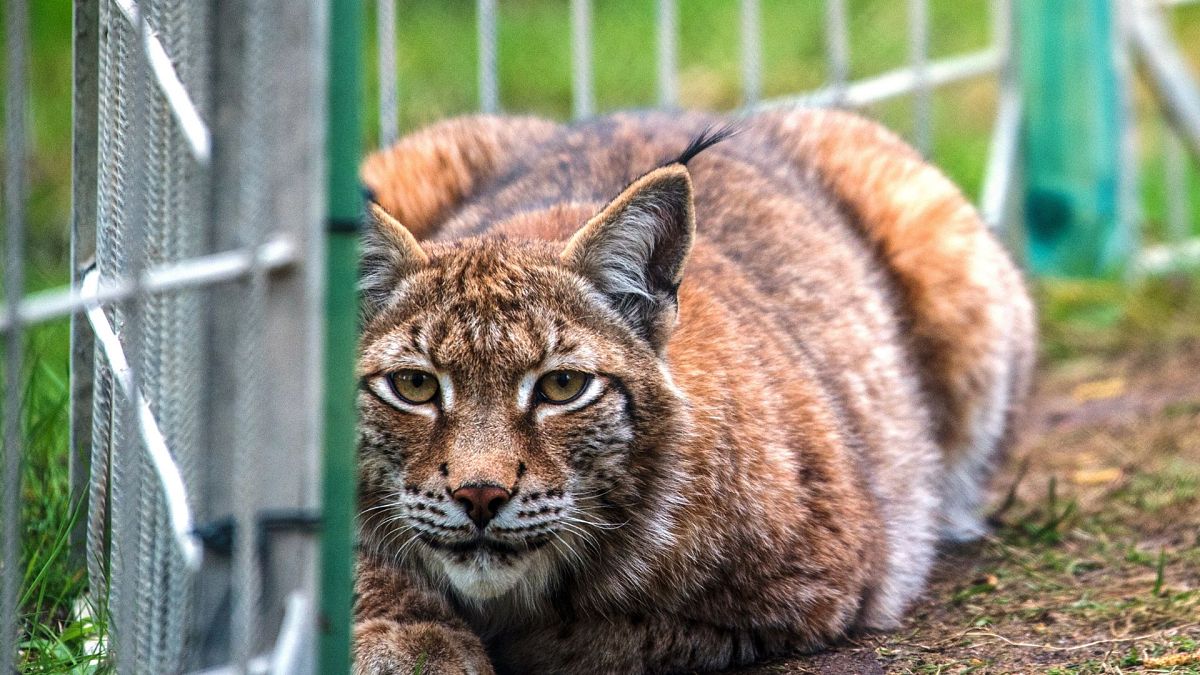
A new interactive map from the wildlife charity Born Free has exposed the scale of dangerous wild animal ownership across the United Kingdom, revealing that more than 2,700 creatures classified as hazardous under British law are being kept in private homes. The data, compiled from local authority records, includes bush vipers, cheetahs, caimans, and even a lynx, raising serious questions about the adequacy of the Dangerous Wild Animals Act 1976.
Born Free’s research, which is updated regularly, shows that the menagerie of legally permitted exotic pets includes over 200 wild cats, 250 primates, and 400 venomous snakes. The charity has made the regional data publicly available on its Dangerous Wild Animals Map, allowing residents to check whether a lion, alligator, or other dangerous species resides nearby.
Charity Calls for Urgent Reform of Outdated Legislation
Dr Mark Jones, Head of Policy at Born Free, expressed alarm at the findings. “It is unbelievable that, in this day and age, so many dangerous animals continue to be legally kept in people’s homes,” he said. The charity argues that the 1976 Act, which was amended in 2010 but has not undergone a comprehensive review since, fails to address modern risks. Under the current system, individuals must apply to their local authority for a licence to keep a dangerous wild animal, but enforcement and oversight vary widely across councils.
Born Free’s Captivity Research Officer, Chris Lewis, noted that the Act was intended to make such ownership “a wholly exceptional circumstance.” However, he added, “Born Free’s ongoing research paints a very different picture.” The public, he said, “will rightly be shocked to learn of so many animals being kept by private keepers.”
Public Safety and Animal Welfare Concerns
The charity warns that keeping wild animals as pets poses significant threats to both human safety and animal welfare. Unlike domesticated species, which have been bred over generations to live alongside humans, wild creatures retain innate instincts that can lead to unpredictable behaviour. Confined in unnatural environments, they become “ticking time bombs,” Born Free argues, with the potential for attacks or escapes. The risk of zoonotic diseases—pathogens that jump from animals to humans—is also highlighted, with the charity noting that Covid-19 is believed to have originated from animals before spreading to people.
Born Free’s research also uncovers gaps in regulation. Some local authorities are unaware of the exact species being kept, despite legal requirements mandating disclosure. The charity points to troubling trends, including a surge in ownership of exotic cats, particularly hybrids, driven by their presence on social media platforms. Lemur ownership has also risen, from 151 in 2020 to 175 last year, underscoring the need for stricter controls on primate keeping.
A European Perspective on Exotic Pet Ownership
The situation in the UK is part of a broader European challenge. Across the continent, regulations on keeping wild animals as pets vary widely. In France, for example, a 2021 law banned the ownership of certain wild species, while Germany requires permits for many exotic animals. The UK’s 1976 Act, however, remains one of the oldest frameworks in Europe, and Born Free’s findings suggest it is no longer fit for purpose. The charity is calling on the UK government to launch a review, similar to efforts in other member states to tighten controls. For instance, a recent Paris wildlife hospital treated over 10,000 animals injured by human activity, highlighting the broader impact of human-wildlife conflict.
Born Free has been campaigning since 2005 to protect the welfare of exotic animals kept as pets, but the latest data underscores the urgency of legislative change. As Dr Jones put it, “Keeping wild animals as exotic pets puts owners and the wider public at risk of injury or disease and also results in profound animal suffering.” The charity’s map is a stark reminder that, despite decades of advocacy, the practice remains widespread—and legal.