Discarded balloons are a familiar sight at festivals, birthdays, and public events across Europe, but their environmental toll is increasingly hard to ignore. Now, researchers at Imperial College London have developed a fully biodegradable alternative that could change how the continent celebrates.
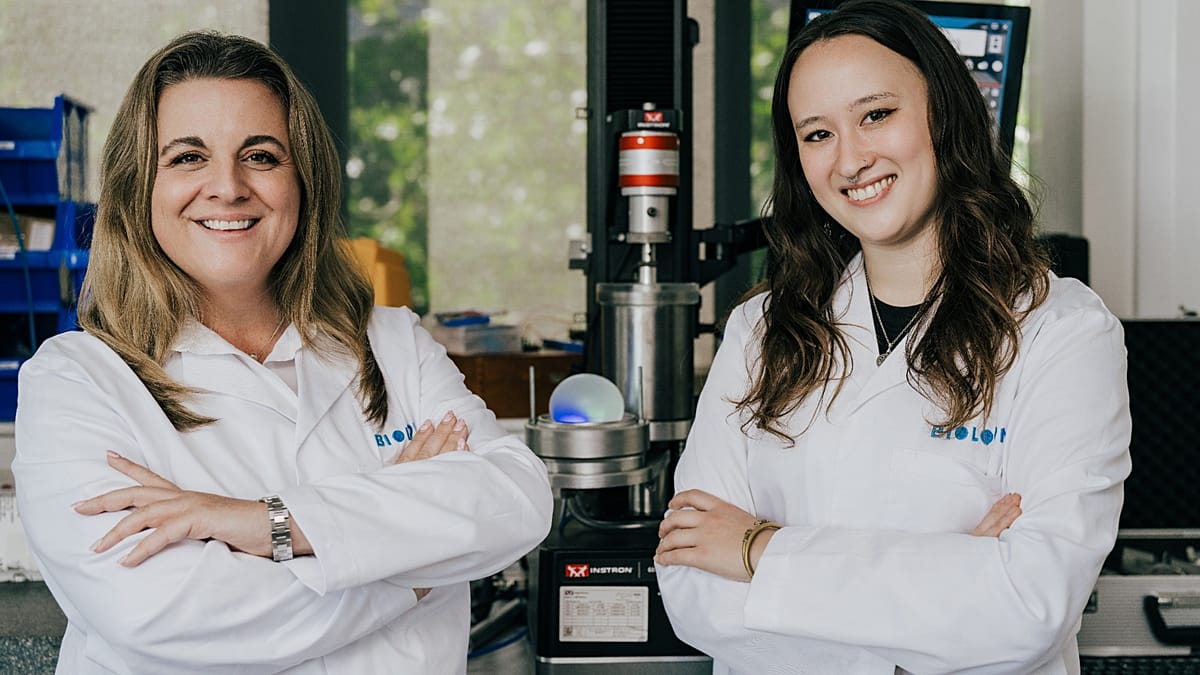
The invention, named Bioloon, is the work of Juliana Cumming, a 29-year-old PhD student at Imperial College London, and Charlotte Melia, a former party planner who grew frustrated with the waste generated by her industry. The balloon is made from a blend of natural latex and a biodegradable polymer, and it breaks down completely within nine months—unlike conventional balloons, which can linger in the environment for years.
According to a 2019 study by the University of Tasmania, balloons are the highest-risk plastic debris item for seabirds, being 32 times more deadly than hard plastics when ingested. The problem is global, but Europe is not immune: balloons released at events in Paris, Berlin, or Rome can drift into the Mediterranean or the Atlantic, where they become a hazard for marine life.
From party planning to lab bench
Melia, who describes herself as environmentally minded, spent over a decade organizing events, often releasing thousands of balloons each week. "We were putting out thousands of party balloons every single week," she told AFP, "but they were only there for a matter of hours simply to be popped and thrown in the trash." The final straw came when she realized that balloons labeled as biodegradable were not breaking down as advertised.
Melia and a business associate invested £30,000 (€35,000) to fund Cumming's doctoral research, hoping to find a solution. Cumming spent three years developing the formula, which starts with the same natural latex used in traditional balloons—derived from the sap of the rubber tree, a material that has changed little since the balloon was invented in 1824.
The key difference lies in the manufacturing process. Traditional balloons undergo sulphur vulcanisation, which adds sulphur accelerators, antioxidants, and activators to turn the latex into rubber. These additives prevent biodegradation and can leak toxic chemicals into the environment. Cumming's approach avoids these additives entirely, blending the latex with another biodegradable polymer instead.
"Our balloon is still made with natural latex, but we blend it with another biodegradable polymer and we don't add any of these additives that are used in traditional balloons," Cumming explained. "So this retains the biodegradability."
The researchers tested the Bioloon in soil, seawater, and deionised water, and found that it degraded in all conditions. "It degraded in all of those conditions... and we estimate that it would biodegrade within about nine months," Cumming said.
The team hopes to bring Bioloon to market by 2028, with the added benefit that it inflates as easily as a conventional balloon. While the patent process is still underway, the invention has already drawn interest from event planners and environmental groups across Europe.
For those planning eco-conscious celebrations, the Bioloon could soon join other sustainable alternatives, such as eco-friendly tourism perks or conscious festivals that prioritize nature. As Europe grapples with plastic pollution, innovations like this offer a practical way to reduce waste without sacrificing tradition.
While the Bioloon is not yet available, its development marks a significant step forward in the fight against plastic pollution. For now, consumers can still make a difference by choosing alternatives like nature-focused getaways or quiet islands that encourage slow living and environmental awareness.