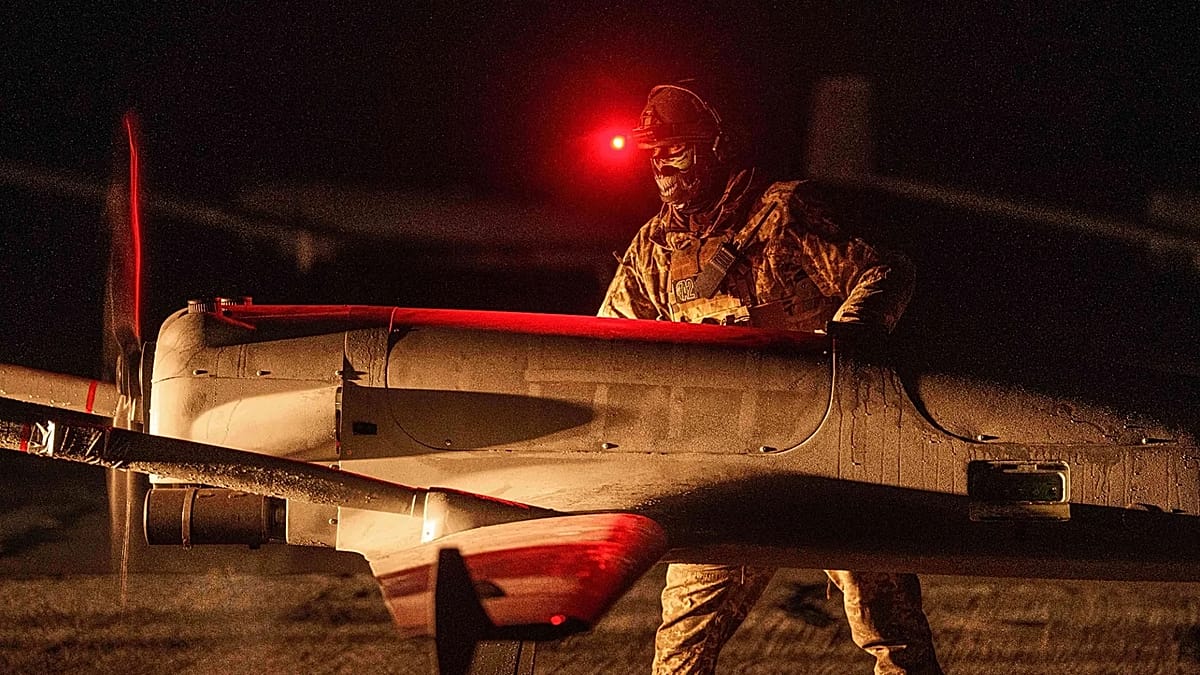
Ukrainian forces carried out a drone strike on the Omsk Oil Refinery on Monday, hitting Russia's largest fuel production site more than 2,500 kilometres from the Ukrainian border. The attack damaged critical equipment, including the primary oil refining unit, which officials described as the refinery's most vital component.
The Omsk facility, with a design capacity of around 22 million tonnes of crude oil per year, produces gasoline, diesel, aviation kerosene and other petroleum products used by the Russian military. It had previously been considered beyond the reach of Kyiv's deep-strike campaign, but Ukraine's Special Operations Forces confirmed the strike damaged key infrastructure, and footage posted online showed a column of fire and smoke rising from the site.
Ukraine's General Staff reported a fire broke out after the drone strike. Ukrainian officials said Omsk was "the last of the 11 largest petrol producers in the Russian Federation" to be hit by Ukrainian forces, underscoring the scale of Kyiv's campaign against Russia's refining sector. Before 6 July, Omsk was one of only two facilities among Russia's ten largest refineries that had not been targeted by Ukrainian drones; the other is the Angarsk Petrochemical Company in the Irkutsk region.
Deepening Campaign Against Russian Energy Infrastructure
This strike is part of a broader Ukrainian effort to degrade the Kremlin's war machine by targeting fuel production and logistics deep inside Russian territory. While Russia continues to pound Ukrainian cities with missiles and drones—killing at least 19 people in Kyiv and wounding dozens more—Ukraine has steadily expanded its reach. In recent weeks, Ukrainian forces have struck oil infrastructure near Saint Petersburg, and President Volodymyr Zelenskyy confirmed those operations.
The Omsk attack demonstrates Ukraine's ability to hit targets far beyond the front lines, challenging Russia's assumption of safety in its eastern regions. The refinery's damage could disrupt fuel supplies for Russian military operations, though the full extent of the impact remains unclear.
European allies have watched these developments closely. Ukraine's EU Ambassador has urged focus on real integration, not labels, as Kyiv presses for NATO support and EU membership amid renewed Russian attacks. The EU has also imposed sanctions on Russian scientists over the Navalny poisoning, and the UK has sanctioned Russian labs and scientists for chemical weapons use in Salisbury and the Navalny case.
The strike on Omsk highlights the evolving nature of the war, where Ukraine increasingly uses asymmetric tactics to offset Russia's advantages in manpower and firepower. By hitting critical infrastructure, Kyiv aims to raise the costs for Moscow and disrupt its ability to sustain prolonged military operations.
For European readers, this development underscores the continent's interconnected security. The war in Ukraine has reshaped energy markets, defence policies, and diplomatic alignments across Europe. As Ukraine demonstrates its capacity to strike deep into Russia, the implications for regional stability and the balance of power are significant.