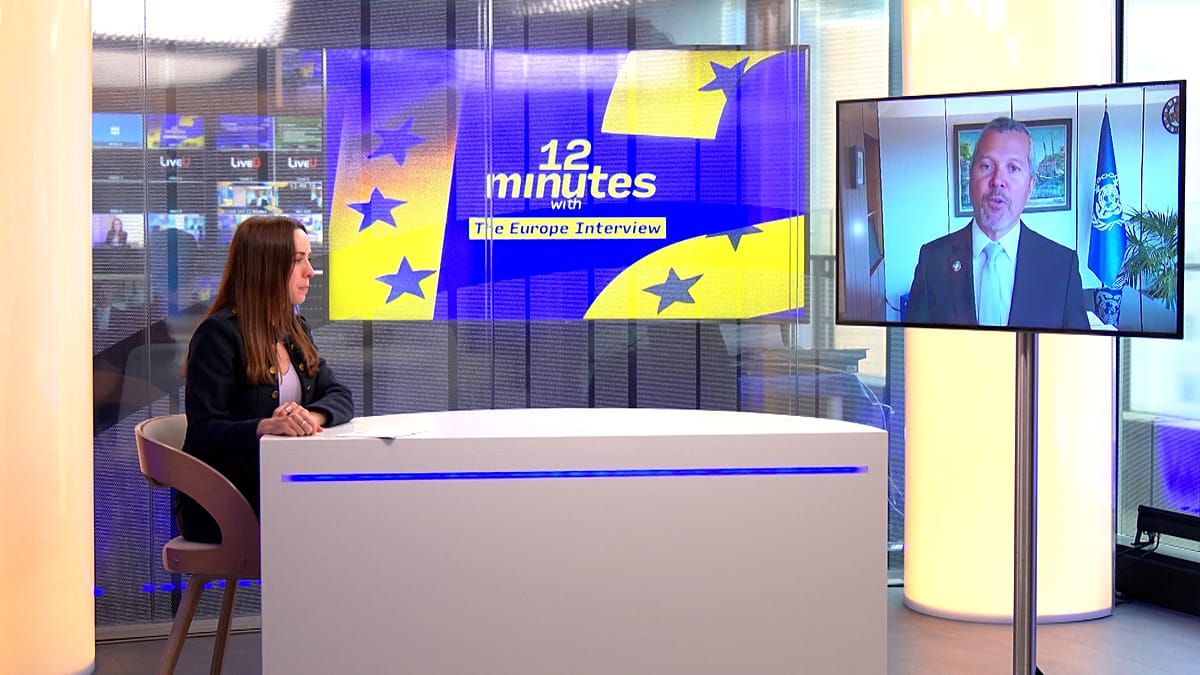
The Secretary-General of the UN's International Maritime Organization (IMO), Arsenio Dominguez, has issued a firm legal and economic warning against the blockade of the Strait of Hormuz, stating unequivocally that no nation possesses the right to restrict freedom of navigation through such international waterways. His comments come amid a tense standoff between Washington and Tehran that has effectively closed one of the world's most vital maritime chokepoints.
A Legal Principle Under Pressure
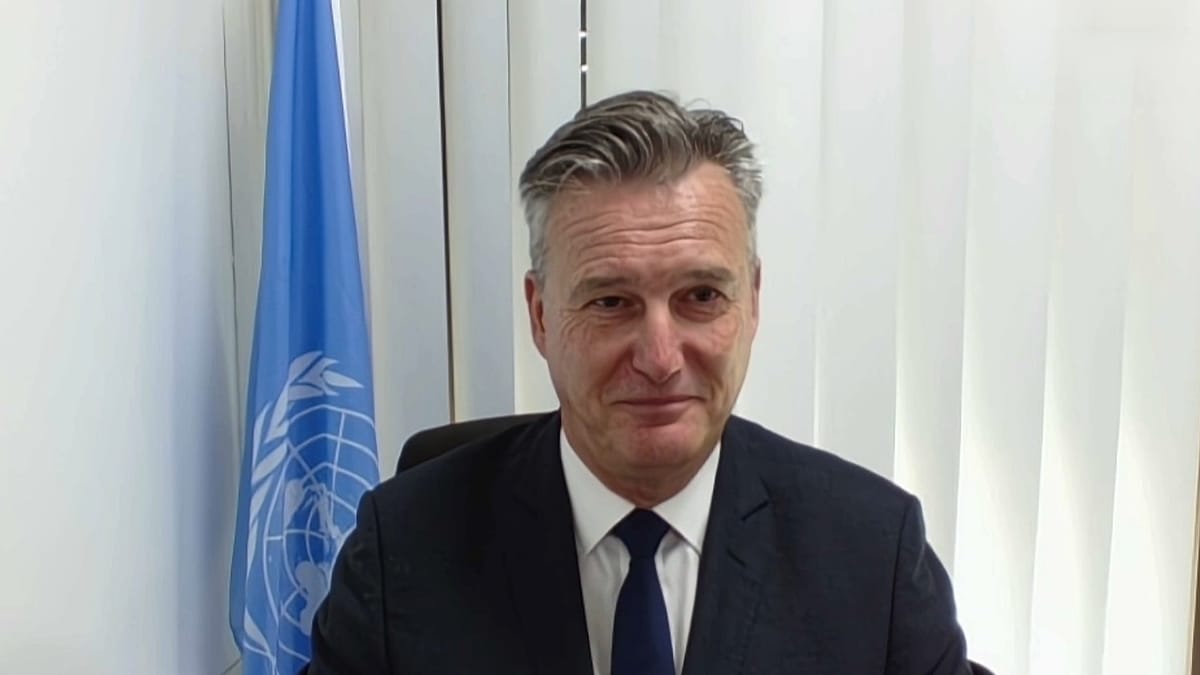
In an interview with Euronews, Dominguez directly addressed the US Navy's recent actions to control access to Iranian ports, a move designed to economically pressure Tehran. "There is no international law agreement that allows any country to prohibit the freedom of navigation on straits used for international navigation," he stated, calling for rapid de-escalation. He emphasised that the principle of free maritime transit is a cornerstone of global trade and security, serving populations worldwide.
The strategic impact is severe. Shipping data reveals a catastrophic drop in traffic: fewer than 300 vessels have transited the strait since late February, compared to a pre-crisis daily average of 138. This waterway typically handles approximately one-fifth of the world's seaborne crude oil and liquefied natural gas (LNG). The disruption has sent ripple effects through global energy markets, with European economies particularly vulnerable to prolonged price volatility.
Technical Plans and Political Stalemate
Dominguez explained that Tehran has unilaterally established a new shipping corridor in the Strait, different from the IMO-recognised traffic separation scheme coordinated with Oman since 1968. He noted the IMO lacks safety information for either route under current conditions. The organisation has, however, prepared a detailed framework to evacuate stranded ships and seafarers and restore normal transit once security allows. "It's ready to resume operations," Dominguez confirmed, adding these technical plans have been shared with both Washington and Tehran.
"We are working with both countries, but we need security in the region for the ships and, in particular, the crew not to be at risk when they resume operations," he said. This underscores the human dimension of the crisis, where commercial vessels and their crews are caught in a geopolitical standoff. The situation echoes other regional tensions where maritime assets have been used as leverage.
"Shipping continues to be used as leverage for this political conflict, but it is important for everyone on the planet to recognise that the moment that shipping gets affected, that's going to have a negative impact on everybody else."
European Powers Take Diplomatic Lead
Recognising the global economic threat, European capitals are moving to coordinate a response. France and the United Kingdom are set to co-host a summit to discuss concrete steps to reopen the Strait once hostilities subside. UK Prime Minister Keir Starmer suggested a coalition of up to 40 nations could be involved. Dominguez welcomed the initiative, calling it "multilateralism in the way that we need it," and expressed gratitude for the leadership from Paris and London.
This European-led diplomatic push highlights the continent's stake in stabilising key global trade routes. The reliance on unimpeded maritime commerce connects directly to energy security and inflation within the EU's single market. The crisis also tests the bloc's ability to project coherent foreign policy, a challenge it continues to face in other theatres, from Ukraine's defence to managing complex international legal frameworks.
Dominguez rejected the instrumentalisation of commercial shipping, stating plainly that it "should not be used as collateral." He warned that while the shipping industry is resilient, there is simply no alternative for transporting the critical fuels, fertilisers, and chemicals that originate in the region. The long-term economic consequences, he implied, could far outlast the immediate conflict.
The standoff at the Strait of Hormuz presents a fundamental challenge to the rules-based international order that European prosperity heavily depends upon. As Dominguez framed it, respecting the principles of free navigation is not an abstract legal point but a prerequisite for daily life across the globe. The success or failure of the forthcoming Franco-British summit will be a significant indicator of Europe's capacity to defend those principles and mitigate a crisis with direct consequences for its economies and citizens.