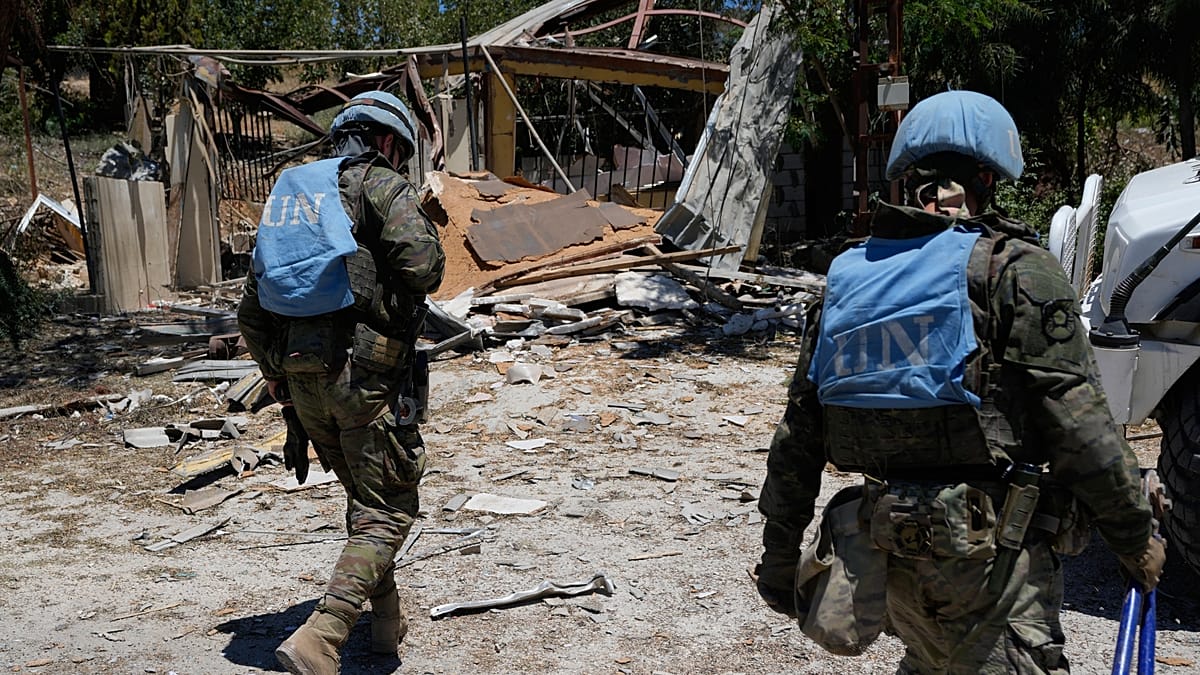
On June 5, United Nations peacekeepers from the UN Interim Force in Lebanon (UNIFIL) entered the southern Lebanese village of Dibbine with heavy machinery to clear debris left by recent fighting. The operation marks a tangible step in post-conflict recovery after Israeli forces withdrew from the area, a move that has been closely watched by European capitals concerned about regional stability.
A Fragile Calm in Southern Lebanon
Dibbine, a village near the border with Israel, saw intense exchanges between Hezbollah and the Israeli military in recent weeks. The UNIFIL deployment aims to restore basic infrastructure and remove hazards left by the clashes. This effort is part of a broader ceasefire arrangement that has been negotiated through US-led talks, with European diplomats playing a supporting role.
The clearance operation comes amid a complex security landscape. A Serbian UN peacekeeper was killed in southern Lebanon earlier this year, underscoring the dangers faced by international forces in the region. European Union member states, including France and Italy, contribute troops to UNIFIL and have a direct stake in the mission's success.
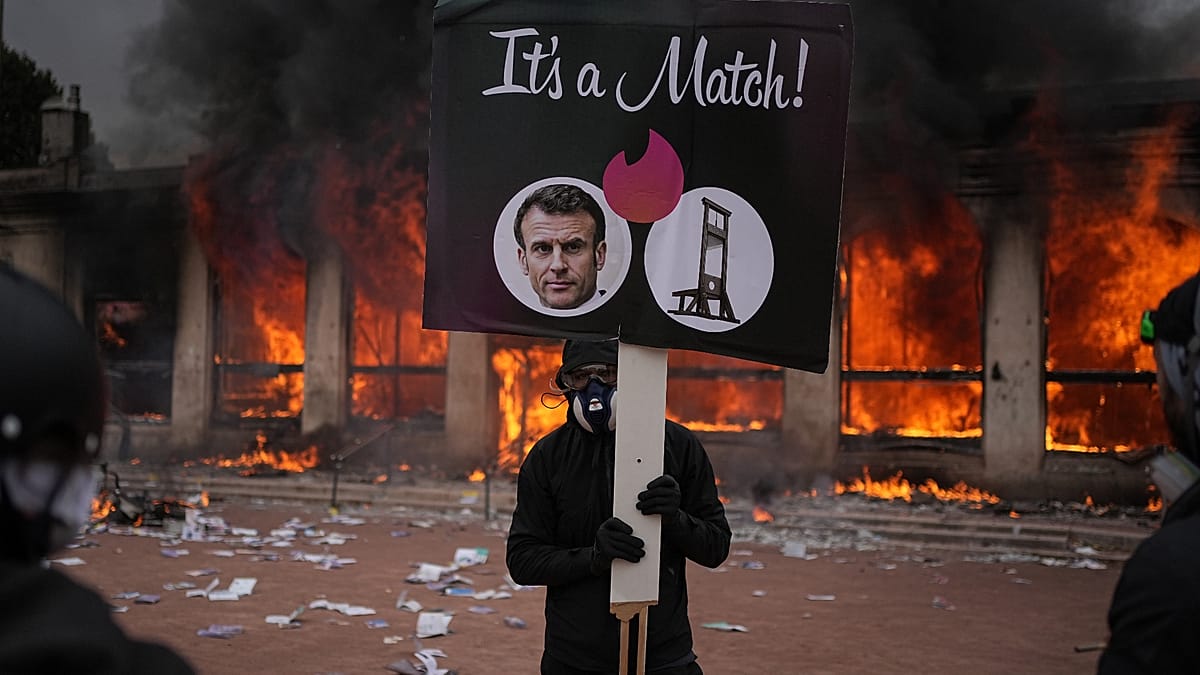
France, in particular, has taken a firm stance on the conflict. Paris recently barred Israeli offensive arms from the Eurosatory defence fair, signaling its unease with the escalation. The French government has also called for restraint and a return to the 2006 UN Security Council Resolution 1701, which ended the last major war between Hezbollah and Israel.
The debris clearance in Dibbine is a small but symbolic step. For the villagers, it means a chance to return to normalcy after weeks of displacement. For the international community, it is a test of whether the ceasefire can hold. The UNIFIL mission, which includes troops from several European countries, is tasked with monitoring the cessation of hostilities and supporting the Lebanese Armed Forces in asserting control over the south.
European diplomats have been vocal in their support for the ceasefire. The European External Action Service has urged both sides to respect the agreement and avoid further provocations. The UN has called for restraint, warning that any new escalation could draw in Iran and open multiple fronts across the region.
The situation remains fragile. Hezbollah has not disarmed, and Israeli officials have warned of further operations if the group continues to pose a threat. Meanwhile, the United States has been engaged in parallel talks with Iran over its nuclear program, a process that Israel's Lebanon campaign risks undermining. European leaders, including those in Berlin and Paris, have stressed the need for a comprehensive approach that addresses both the immediate security concerns and the underlying political dynamics.
For now, the focus in Dibbine is on clearing rubble and restoring basic services. The UNIFIL team is working alongside local authorities to assess damage and plan further reconstruction. The operation is expected to take several days, but the broader challenge of rebuilding trust and preventing a return to hostilities will take much longer.
European Pulse will continue to monitor developments in southern Lebanon and their implications for European security and diplomacy.