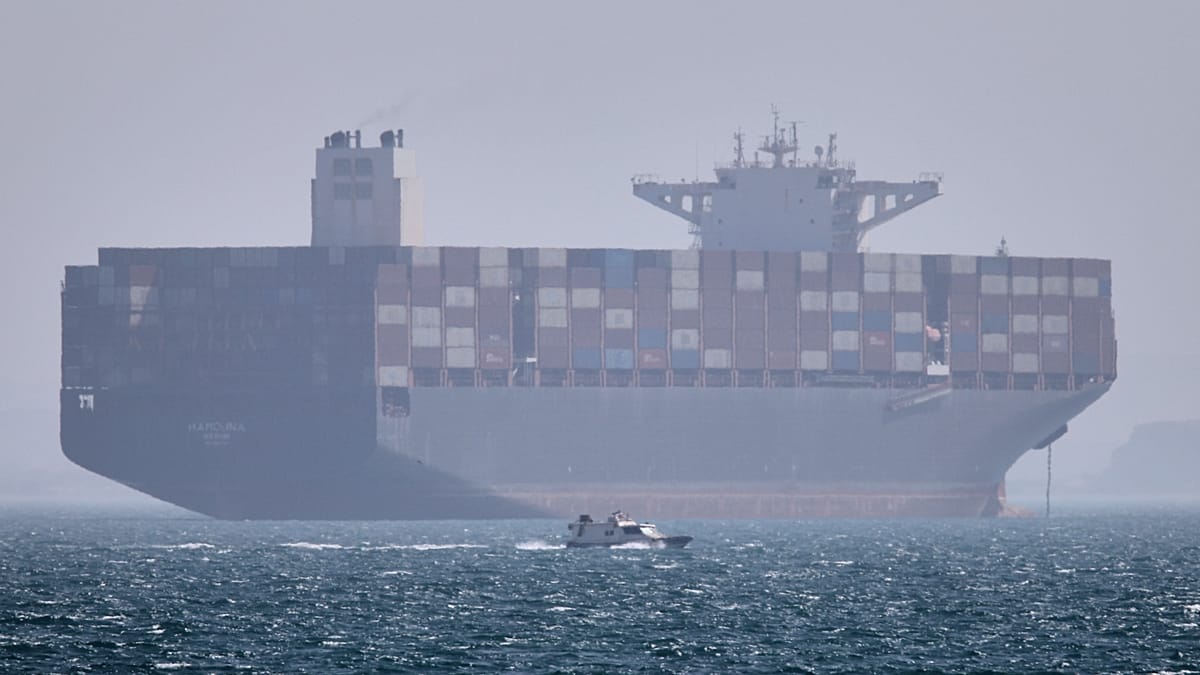
An unidentified vessel was seized by unknown individuals while anchored off the coast of the United Arab Emirates on Thursday, according to the United Kingdom Maritime Trade Operations (UKMTO) centre. The ship, located 38 nautical miles (70 kilometres) northeast of Fujairah, is now reportedly heading toward Iranian territorial waters.
The UKMTO, a British agency that monitors maritime security, stated that the vessel was taken by unauthorised personnel and advised ships in the area to report any suspicious activity. The agency did not disclose the vessel's name or the identity of the perpetrators, and an investigation is underway.
Context of Rising Tensions in the Strait of Hormuz
This incident is the latest in a series of vessel seizures near the Strait of Hormuz, a critical chokepoint for global oil shipments. The waterway has seen heightened tensions as Iran and the United States pursue rival blockades. Iran has captured several vessels in recent weeks, including the tanker Ocean Koi last week, which it accused of attempting to disrupt Iranian oil exports. The Ocean Koi was seized in the Gulf of Oman and taken to Iran's southern coast, according to the official IRNA news agency. The US had sanctioned the tanker in February as part of a so-called “shadow fleet” transporting Iranian oil.
Iranian Foreign Minister Abbas Araghchi, speaking at a BRICS meeting in New Delhi, did not comment on the latest seizure but insisted that the Strait of Hormuz “is open for all” commercial vessels that “cooperate” with Iran's navy. Meanwhile, Iranian judiciary spokesperson Asghar Jahangir stated on Thursday that the seizure of what he described as “violating” US vessels is carried out under court orders and in accordance with domestic and international law. “The seizure of violating American oil tankers is an action grounded in domestic and international laws,” Jahangir said, citing the 1982 UN Convention on the Law of the Sea. “The detention of these violating tankers is based on firm and final rulings issued by competent Iranian courts after legal procedures have been completed.”
Iran has largely blocked shipping through the strait since the outbreak of war with the United States and Israel on 28 February. Washington has imposed its own naval blockade on Iranian ports despite a fragile ceasefire in place since 8 April. The US has warned of “devastating” force against Iranian attacks on shipping in the region, as reported by US Warns of 'Devastating' Force Against Iranian Attacks on Strait of Hormuz Shipping.
The European Union, which relies on the Strait of Hormuz for a significant portion of its energy imports, has watched these developments with concern. The bloc has previously condemned unilateral seizures and called for de-escalation. The latest incident underscores the fragility of maritime security in the region, which directly impacts European energy markets and shipping routes. For instance, a Malta-flagged tanker recently delivered 1 million barrels of Iranian crude to South Korea, highlighting the complex web of sanctions and shipping that European-flagged vessels navigate.
The UKMTO's advisory comes as the US Treasury intensifies efforts to disrupt Iranian oil money laundering, as detailed in US Treasury Enlists Banks to Disrupt Iranian Oil Money Laundering. These financial measures aim to cut off revenue streams that Tehran uses to fund its military activities, including those in the Persian Gulf.
For European readers, the situation is a reminder of the continent's vulnerability to disruptions in global energy supply chains. The Strait of Hormuz is a vital artery for oil and liquefied natural gas shipments to European ports, and any sustained blockade could have severe economic consequences. As the US and Iran continue their standoff, European diplomats have urged restraint, but the region remains a flashpoint with global implications.