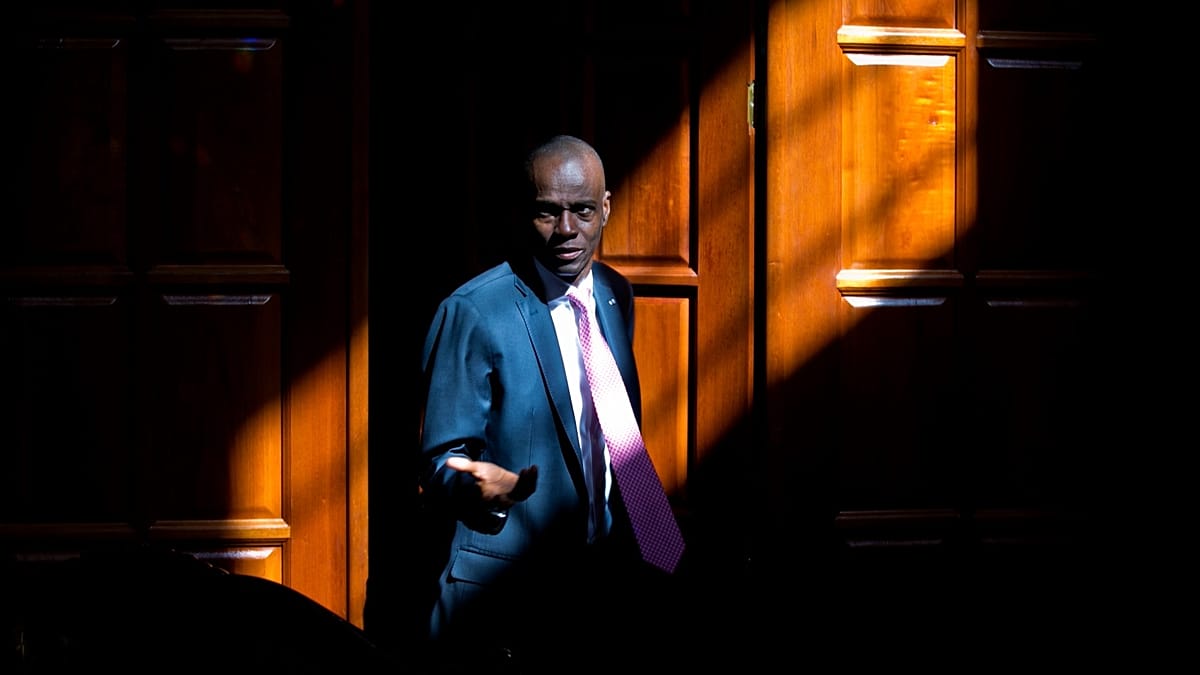
Eighteen suspects linked to the July 2021 assassination of Haiti's President Jovenel Moïse have been flown from Port-au-Prince to Florida, where they will face trial in a US federal court, according to officials speaking on Sunday. The transfer marks a significant step in a case that has dragged on for more than four years and has exposed the deep instability that has engulfed the Caribbean nation since the killing.
Moïse, 53, was shot dead at his private residence on 7 July 2021 by a group of about twenty Colombian mercenaries, many with military training. His own security detail reportedly did nothing to intervene. The assassination plunged Haiti into a political vacuum that has since been filled by gang violence and economic collapse.
In a post on X, FBI special agent Brett Skiles said: "Today's multi-location and international arrests underscore the FBI's continued commitment to bringing all participants in this plot to justice." Federal prosecutor Jason Reding Quinones added that the eighteen were "transported in military plane from Haiti to face American justice in the Southern District of Florida." Quinones also noted that "five years later, we are still bringing defendants before American courts, and we are not finished," and that thirty suspects have been indicted so far.
Among those extradited is Joseph Felix Badio, a former anti-corruption official at Haiti's Ministry of Justice, according to Haitian government and police sources cited by AFP. The others are Colombian nationals, many of whom are believed to have been hired as mercenaries. Colombia's Ministry of Foreign Affairs issued a statement on Sunday saying it is closely monitoring the transfer of seventeen Colombian citizens from Haiti to the United States, but stressed that Bogotá "did not intervene in the decision or in the process that led to the transfer of its citizens to the United States, a matter that falls under the jurisdiction of the competent authorities of the countries involved."
A widening legal net
The US investigation has already produced convictions. In May, a federal jury in Miami found four men guilty of charges including conspiracy to kill or kidnap Moïse, conspiracy to provide material support, and violating the US Neutrality Act by engaging in an illicit military operation abroad. They face possible life sentences. Federal prosecutors said those four were linked to CTU, a private security firm based in Florida, and were lured into the plot by promises of lucrative contracts if Moïse were removed from power.
In total, eleven people have already been indicted in US courts, which have jurisdiction because the plot was allegedly hatched on American soil. The latest arrests bring the number of indicted suspects to thirty, with officials indicating that more could follow. The case has drawn attention to the role of foreign mercenaries and private security firms in Caribbean politics, a theme that resonates beyond the region.
For European observers, the case underscores the fragility of rule of law in parts of the Americas and the complex web of international actors involved in such crises. While the United States has taken the lead in prosecuting the assassination, the broader implications for Haiti's future are of concern to the international community, including European nations that have contributed to peacekeeping and development efforts in the country.
Haiti has spiralled into deeper chaos since Moïse's death. The country currently has no president, and gangs control an estimated 80% of the capital, Port-au-Prince. Kidnappings for ransom, armed robberies, and carjackings are rampant, and the state's authority has largely collapsed. Elections, which were last held in 2016, are tentatively scheduled for 13 December, along with a constitutional referendum, but only if security conditions allow. Many observers are sceptical that the vote can take place as planned.
The transfer of the suspects to Florida is a reminder of the reach of US law enforcement, but it also raises questions about the capacity of Haiti's own judicial system to handle such high-profile cases. For now, the focus remains on the US courts, where the full details of the conspiracy are expected to emerge. As Quinones put it, "we are not finished."