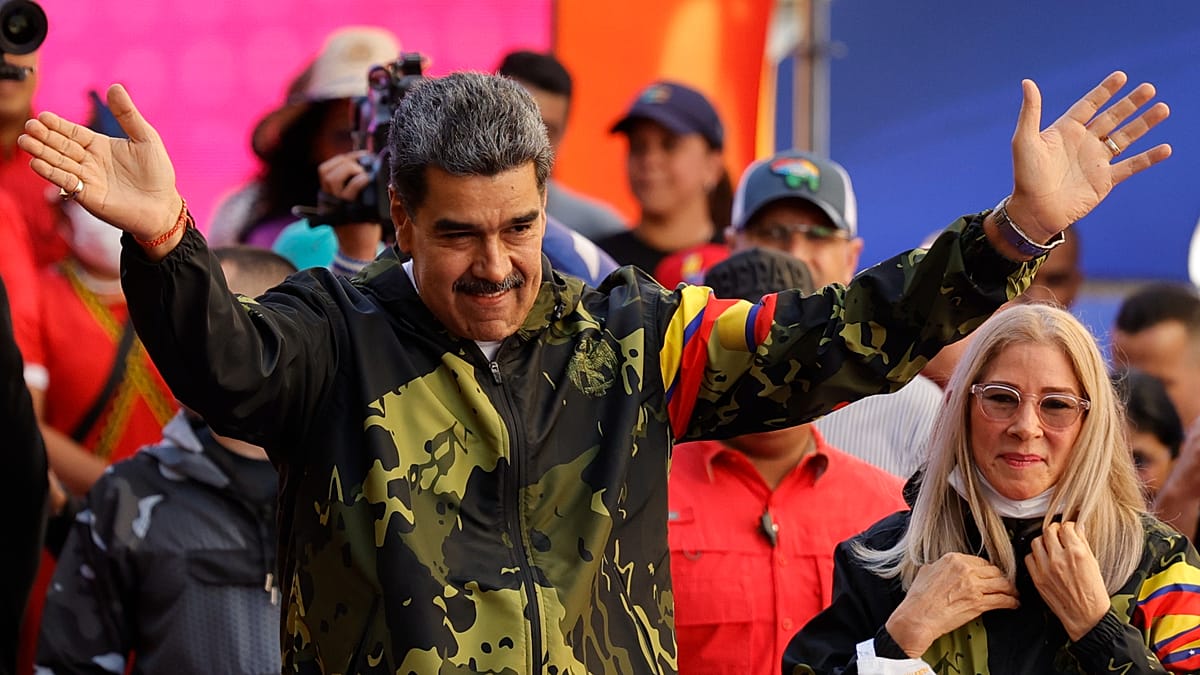
US federal prosecutors have formally charged former Venezuelan president Nicolás Maduro and his wife, Cilia Flores, with conspiring to torture Venezuelan citizens as part of a systematic campaign to cling to power. The revised indictment, unsealed on Thursday, alleges that Maduro personally authorized torture methods and oversaw a state apparatus designed to crush dissent through arbitrary detention, violence, and psychological abuse.
According to the indictment, thousands of Venezuelans were “harassed, threatened, arrested, prosecuted, assaulted, tortured, or killed” by security forces acting on behalf of the Maduro government. The document describes specific techniques including electric shocks, beatings, and asphyxiation, and accuses Maduro of threatening to kill a prisoner's child as a form of psychological torture.
The charges also name three US citizens among the torture victims, though their identities were not disclosed in court records. The new allegations build on existing federal charges against Maduro for conspiring to smuggle cocaine into the United States, intensifying the legal pressure on the former leader.
Arrest and detention
Maduro and Flores have been held in New York since January, following a US military operation that captured them at their residence in Caracas. Both have pleaded not guilty to the drug trafficking charges and could face life imprisonment if convicted on all counts.
The indictment marks a significant escalation in US efforts to hold Venezuelan officials accountable for human rights abuses. It also highlights the role of the DGCIM, Venezuela's feared military intelligence agency, which the indictment says was central to the repression campaign.
Human rights organizations have long documented abuses by Venezuelan security forces, but this is the first time a former head of state has faced such charges in a US court. The case raises complex questions about jurisdiction and diplomatic immunity, though US prosecutors argue that the alleged crimes were committed in violation of international law.
European observers have watched the case closely, given the continent's own history with authoritarian regimes and its active role in promoting international justice. The developments come as Finland investigates break-ins at MPs' homes, a reminder that democratic institutions across Europe remain vigilant against threats to their stability.
Maduro's legal team has dismissed the charges as politically motivated, but the evidence presented in the indictment is detailed and includes testimony from multiple witnesses. The case is expected to proceed to trial, though no date has been set.
The charges also coincide with broader geopolitical tensions, as reports suggest that the decision to capture Maduro was influenced by an AI chatbot, raising concerns about the role of technology in high-stakes foreign policy decisions.
For Europe, the case underscores the importance of upholding human rights standards globally, even as the continent grapples with its own challenges. As Kosovo's parliament elected Justina Pula as president in a late-night vote to avoid a snap election, the contrast between democratic processes and authoritarian tactics remains stark.
The trial of Maduro and Flores will be closely watched by international legal experts and human rights advocates. If convicted, the former president could serve a life sentence, marking a rare instance of a former head of state being held accountable in a foreign court for crimes against his own people.