Washington's top intelligence official has cautioned that Americans should prepare for further technology breakdowns, as a software fault at Delta Air Lines' Atlanta hub delayed more than 1,000 flights on Sunday. The warning comes amid a series of outages that have hit air travel, Microsoft email services, major banks, and even the National Security Agency's network.
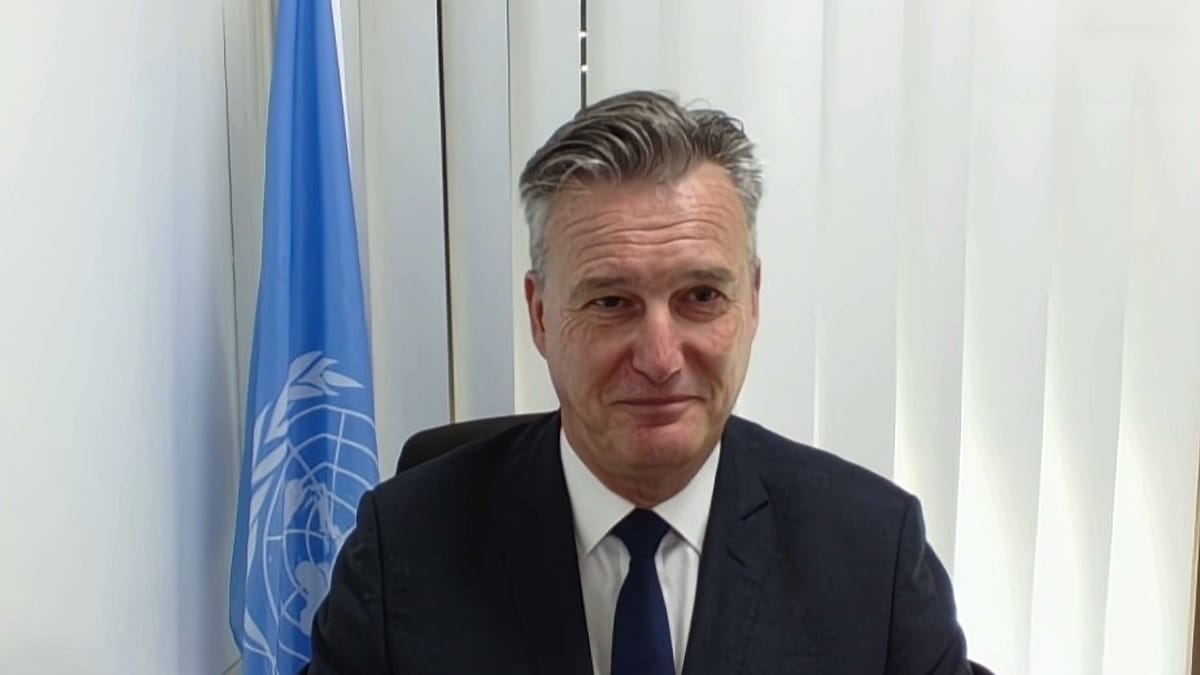
Jay Clayton, the director of national intelligence, told CNN that the country's systems are in the middle of a major upgrade cycle, and disruption is an inevitable part of that process. "We are going to have glitches, gaps, interruptions in service," he said. Clayton has previously stated that investigators see no evidence of a coordinated cyberattack or foreign state involvement, attributing the failures to organisations rolling out security patches and software updates.
Delta's weight-check software fails before Thanksgiving rush
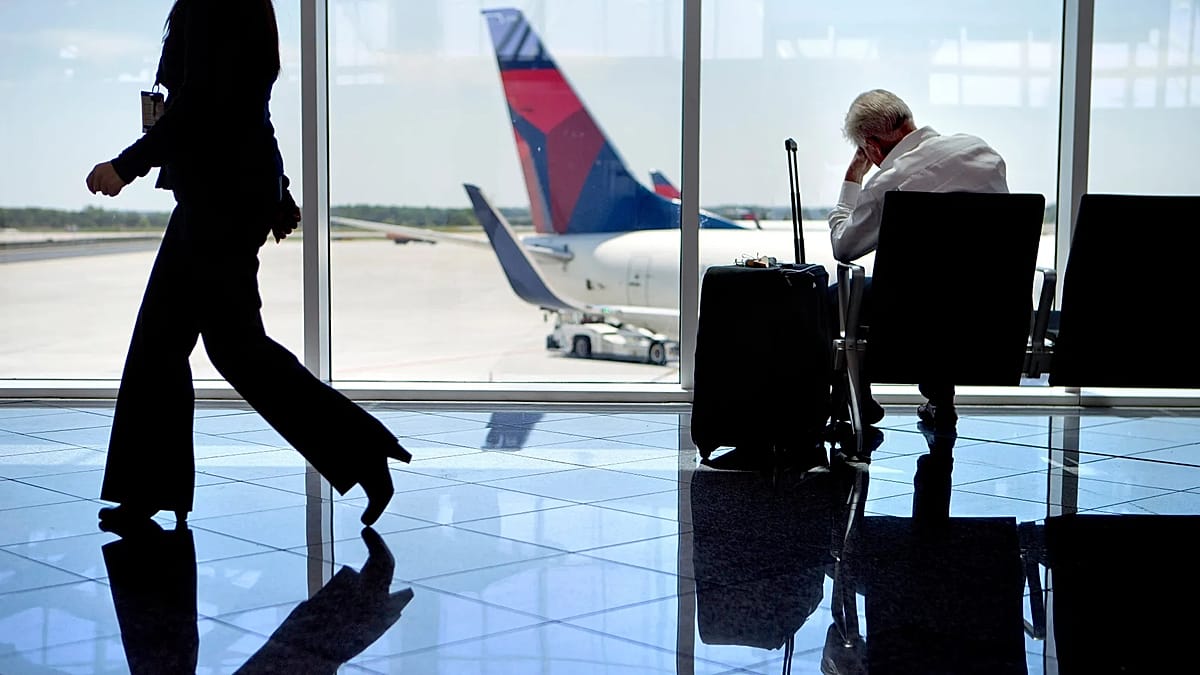
Sunday's fault struck the software Delta uses to verify that each aircraft is loaded within safe weight limits. With the Thanksgiving holiday only days away, staff resorted to manual procedures to dispatch planes while engineers worked on a fix. Later in the day, Delta said the tool was back online, but its schedule remained disrupted, and the airline hoped to clear the backlog before nightfall.
The Federal Aviation Administration (FAA) briefly held some flights heading to Atlanta's Hartsfield-Jackson airport, one of the busiest in the world and Delta's main base, for roughly an hour. Keeping a plane within its weight and balance limits is a core safety requirement, as overloading can weaken the aircraft's structure, according to an FAA document. The regulator stated on X that its own air traffic control technology was not involved.
FlightAware data from Sunday evening showed about 2,000 Delta flights, or 58% of its schedule, running late. At Atlanta, around 58% of departures and half of arrivals were delayed, and Delta operates the large majority of flights there. About 3% of the airline's flights were cancelled. Delta attributed roughly 70% of the delays and cancellations logged by FlightAware to the software fault, blaming the rest on bad weather. The airline apologised to travellers, said it was rebooking those affected, arranging food and hotels where required, and offering refunds on cancelled services.
Wider pattern of disruption on both sides of the Atlantic
The incident adds to a difficult month for US infrastructure. Earlier in November, a fault in the FAA's network halted departures across the country for more than four hours, the longest such stoppage in a quarter of a century, and airlines cancelled or delayed large numbers of flights. United Airlines then reported a system outage of its own a few days later, which held up its departures.
While the US outages have been attributed to maintenance and upgrades, Europe has seen a different set of challenges. Earlier this month, hackers remotely pushed the temperature inside supermarket refrigerators in Europe up to 50°C. The fridge attacks were one of 16 incidents mapped between 18 October and 18 November by DigitalEurope, the Brussels-based trade association for Europe's digital technology industry. According to Clayton, the US incidents stem from maintenance and upgrades rather than an attack, whereas several of the European cases involved deliberate action.
The contrast highlights the varied nature of technological vulnerabilities on both sides of the Atlantic. As the US grapples with the fallout of its upgrade cycle, European authorities are increasingly focused on cybersecurity threats, a topic that has also drawn attention in Brussels, where the EU has been working on faster permits for critical infrastructure to bolster resilience. Meanwhile, the recent dismissal of the White House cyber chief after the wave of US tech outages underscores the political stakes involved.
For European readers, the US experience serves as a reminder of the fragility of digital infrastructure, even in the world's most advanced economies. As the continent pushes forward with its own digital transformation, the lessons from Atlanta and Washington may resonate in boardrooms and government offices from Berlin to Paris.