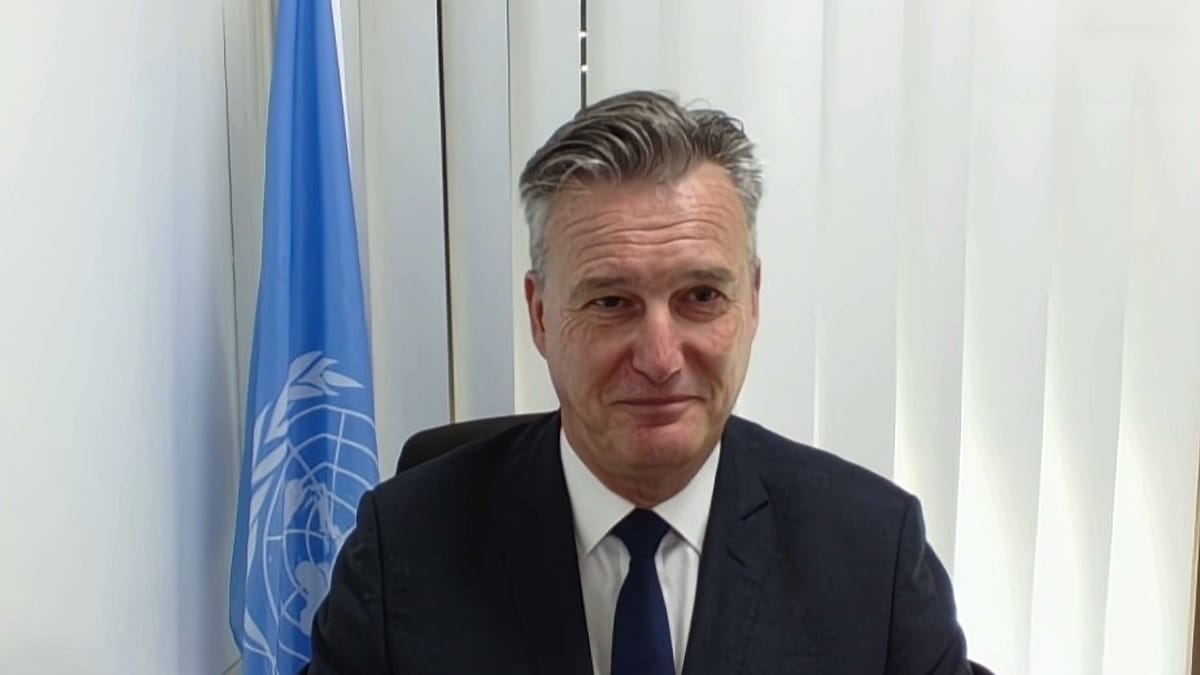
Taiwan's deputy foreign minister has cautioned Canada against deepening its trade relationship with China, arguing that Ottawa risks exposing itself to the kind of economic coercion that Prime Minister Mark Carney has publicly criticised. Speaking on Saturday at the Halifax International Security Forum, Chen Ming-chi said Taiwan's own experience shows that relying on Beijing carries a heavy price.
Asked about Carney's push to improve relations with China, Chen offered a blunt response: "We worry." He acknowledged the message of Carney's speech at the World Economic Forum in Davos but questioned the conclusions Canada has drawn from it. "Who do you want to choose as your partners?" he asked, suggesting that Ottawa should think twice before deepening ties with states that do not share its democratic values.
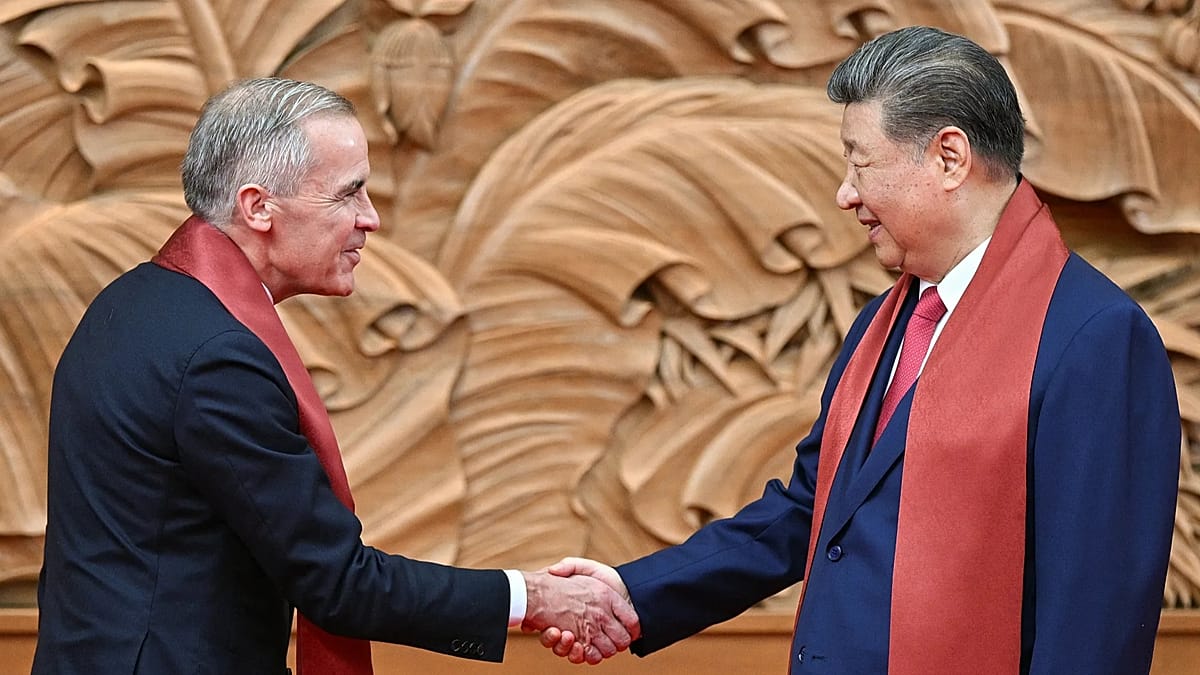
The warning came days after Carney met Chinese President Xi Jinping in Shenzhen, where the two sides agreed to further tariff cuts. Canada is seeking new markets as US President Donald Trump's trade war continues, with Washington threatening 50% tariffs on Canadian vehicles and auto parts from 1 January. Carney has said Canada could turn to Chinese carmakers if talks with the US fail to preserve a viable domestic auto industry.
Diversification drive under scrutiny
Carney has argued that major powers are turning economic integration into a weapon, pointing to US tariffs and Chinese restrictions on critical minerals. He has urged middle powers to spread their trade relationships more widely to protect themselves. However, Chen cautioned that Chinese electric vehicles could undercut Canadian manufacturers, and that their connected technology poses surveillance risks, even if the cars are built in Canada.
Carney has defended the approach, saying Canada's trade with China is different from the more tangled US–China relationship. Canada mainly sells Chinese farm goods, energy and other commodities rather than sensitive technology such as advanced semiconductors. But Chen pointed to Canada's own history with Beijing, referencing the cases of former diplomat Michael Kovrig and businessman Michael Spavor. The two Canadians were held in China for almost three years, prompting accusations of hostage diplomacy. They were arrested in 2018, shortly after Canada detained Huawei executive Meng Wanzhou on a US extradition request, and freed in September 2021, the day Meng returned to China. Beijing denied that their detention was politically motivated.
Chen said Taiwan has sharply cut its reliance on China after seeing Beijing use trade restrictions to press for political goals. "They are very good at weaponizing interdependence," he said. According to Taiwanese government figures cited by Chen, the share of Taiwan's outbound investment going to China fell from more than 80% in 2010 to 3.8% last year. Over a shorter period, exports to China and Hong Kong dropped from nearly 44% of the total in 2020 to about 27% last year.
The warning comes as Canada and the EU have been deepening their own ties in minerals, defence, and education, a move that underscores the broader geopolitical realignment triggered by US trade policies. Carney's outreach to China is part of a wider diversification strategy, but critics argue it could undermine the very values Canada seeks to promote.
Chen's remarks also resonate with European concerns about economic security. The EU has been grappling with similar dilemmas, as seen in its budget plans that include deeper cuts and a digital tax to win over frugal member states. The bloc has also been wary of Chinese investments in critical infrastructure, echoing Taiwan's warnings about the risks of interdependence.
For Canada, the choice is not simply between the US and China. As Carney seeks to diversify, he must weigh the benefits of new markets against the potential costs of entangling with a partner that has a track record of using trade as a political lever. Taiwan's warning serves as a reminder that such decisions have long-term consequences.