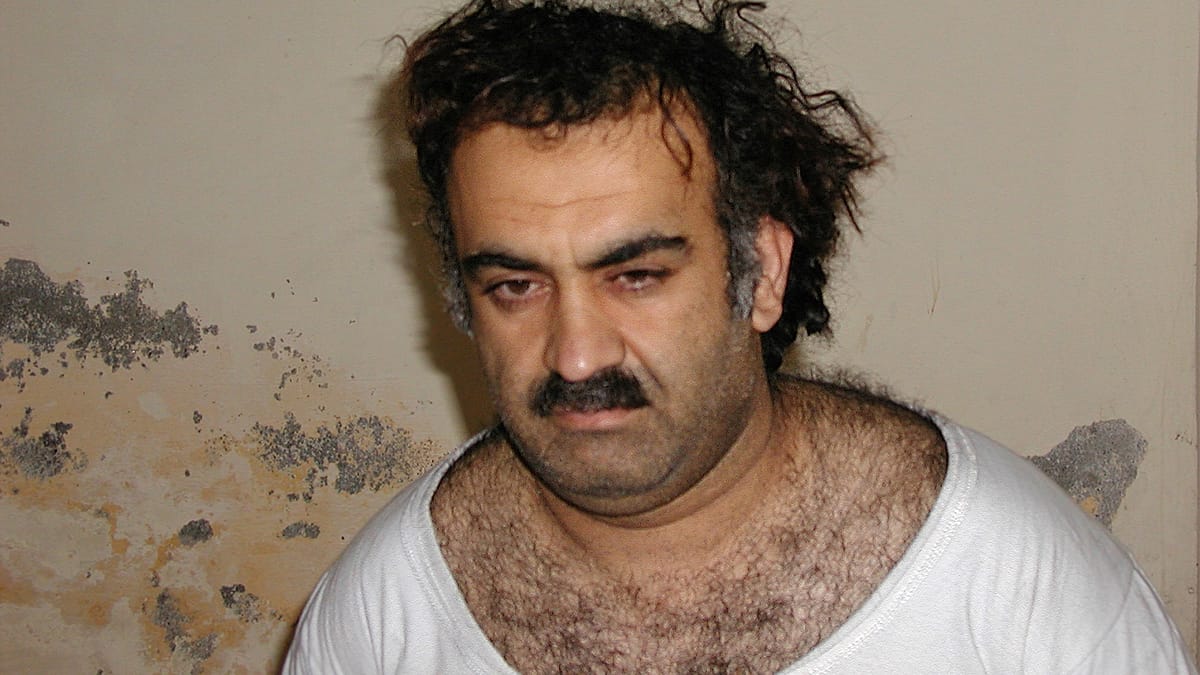
After more than two decades of legal wrangling, a US military judge has scheduled the trial of Khalid Sheikh Mohammed and three alleged accomplices for 5 June 2028. Mohammed, once described as a top lieutenant of Al-Qaeda leader Osama bin Laden, faces charges for orchestrating the 11 September 2001 attacks that killed nearly 3,000 people.
The trial will take place at the US naval base at Guantanamo Bay, Cuba, a facility that has become synonymous with the post-9/11 detention of suspected militants. The US originally chose Guantanamo to hold detainees captured during the so-called War on Terror, arguing that the base lay outside US sovereign territory and therefore denied defendants the protections of the US legal system.
Decades of delay and legal disputes
The newly announced date is 18 months later than prosecutors had requested. The delay is intended to give the court more time to resolve pretrial motions, including disputes over which evidence can be presented. A previous trial date, set for 2021, was cancelled, and further postponements remain possible if pretrial deadlines are not met.
Mohammed was captured in Pakistan in March 2003 and has been held at Guantanamo since 2006. He is accused of developing and directing the plot to hijack passenger planes and crash them into the World Trade Center and the Pentagon. A fourth hijacked plane crashed into a field in Pennsylvania after passengers attempted to retake control.
The case has been complicated by the fact that Mohammed and his co-defendants were subjected to torture while in CIA custody. Defence lawyers have argued that a fair trial is impossible given the abuse their clients endured, a claim that has fuelled years of legal battles.
Failed plea deal
In a significant development, a federal appeals court last year rejected a plea deal that would have allowed Mohammed to plead guilty and avoid the death penalty. The agreement, negotiated over two years, would have given Mohammed and two co-defendants life sentences without parole and required them to answer questions from victims' families. The Biden administration ultimately withdrew from the deal.
Mohammed's co-defendants are Walid bin Attash, Ali Abdul Aziz Ali, and Mustafa al-Hawsawi, all accused of helping organise or facilitate the attacks. They are among the last detainees still held at Guantanamo Bay.
The trial's timing has drawn attention beyond the United States, particularly in Europe, where the legal and ethical questions surrounding Guantanamo have long been a point of contention. European governments have repeatedly called for the closure of the facility, and several European courts have refused to cooperate with US requests based on evidence obtained through torture.
The case also echoes other long-running terrorism trials, such as the Lockerbie bombing trial, which faced similar delays and evidentiary challenges. The 2028 date, while distant, offers a glimmer of resolution for the families of the victims, many of whom have waited over two decades for a verdict.
Legal experts note that even with the new schedule, the trial could be further delayed. The pretrial phase alone is expected to last several years, and any new evidence or procedural challenge could push the start date back. The US military commission system, established specifically for Guantanamo detainees, has been criticised for its slow pace and perceived lack of fairness.
For now, the families of the victims and the international community will have to wait until June 2028 to see whether justice is finally served.