US military forces have carried out a strike on a suspected drug-smuggling vessel in the Caribbean, killing four people on board. The operation, confirmed by US Southern Command (SOUTHCOM), is part of a broader campaign to disrupt narcotics trafficking routes in the region.
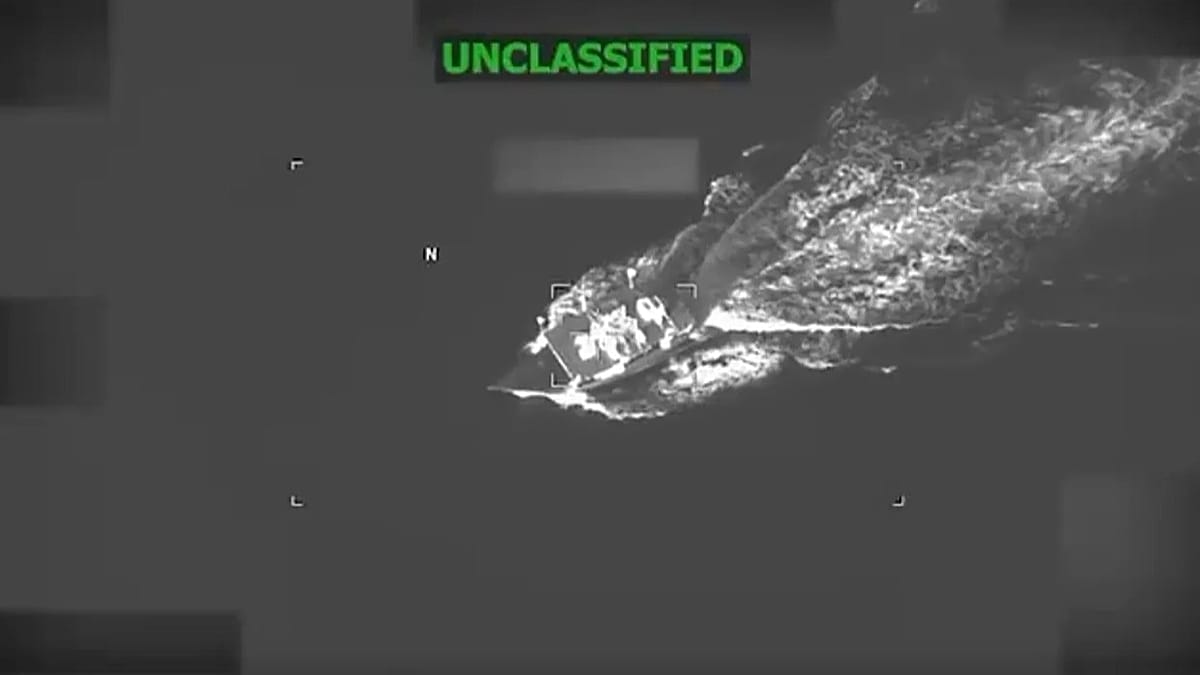
In a statement shared on social media, SOUTHCOM said that a "lethal, kinetic strike" was executed on a "go-fast vessel" operating along established narco-trafficking routes. The command added that "confirmed intelligence revealed the vessel's active involvement in narco-trafficking." Video footage accompanying the statement showed a moving boat followed by a large explosion.
The strike comes as the administration of US President Donald Trump intensifies efforts to curb drug smuggling, with Trump having pledged to "wage war" against drug cartels. He has argued that these organisations pose a threat to US national security and foreign policy, and bring "devastating consequences" to American communities.
Operation Southern Spear
As part of this push, the US has launched Operation Southern Spear, an initiative aimed at "disrupting the flow of narcotics in the Western Hemisphere" through a series of air strikes on suspected drug-smuggling boats in the Caribbean Sea and the eastern Pacific. The operation reflects a more aggressive military approach to counter-narcotics, moving beyond traditional interdiction and law-enforcement methods.
The use of lethal force against suspected smugglers has raised questions about the rules of engagement and the potential for civilian casualties. Human rights groups have previously criticised such tactics, arguing that they may violate international law and put lives at risk without due process. The US military, however, maintains that its operations are based on solid intelligence and are designed to dismantle criminal networks that fuel violence and instability across the Americas.
The Caribbean has long been a transit zone for cocaine and other drugs moving from South America to the United States and Europe. European nations, particularly Spain and Portugal, have also seen significant drug seizures linked to transatlantic smuggling routes. The US campaign, while focused on the Western Hemisphere, has implications for European law enforcement and security cooperation, as drug flows often connect the two regions.
In recent months, the US has also stepped up its military presence in the region, conducting joint exercises with Caribbean and Latin American nations. The strikes are part of a wider strategy that includes intelligence-sharing, surveillance, and support for local law enforcement agencies.
The latest incident is likely to fuel debate about the effectiveness and morality of military strikes in counter-narcotics operations. While the Trump administration has touted the successes of Operation Southern Spear, critics argue that such actions do little to address the root causes of drug trafficking, such as poverty, corruption, and demand in consumer countries.
For European observers, the US approach serves as a reminder of the different strategies employed on either side of the Atlantic. European countries tend to favour a more holistic approach, combining law enforcement with public health and social policies. However, the scale of the drug trade and its links to organised crime continue to pose significant challenges for both the US and Europe.
As the US military continues its campaign, the human cost of these operations remains a contentious issue. The deaths of four individuals in the latest strike are a stark illustration of the violent consequences of the drug war, a conflict that shows no signs of abating.