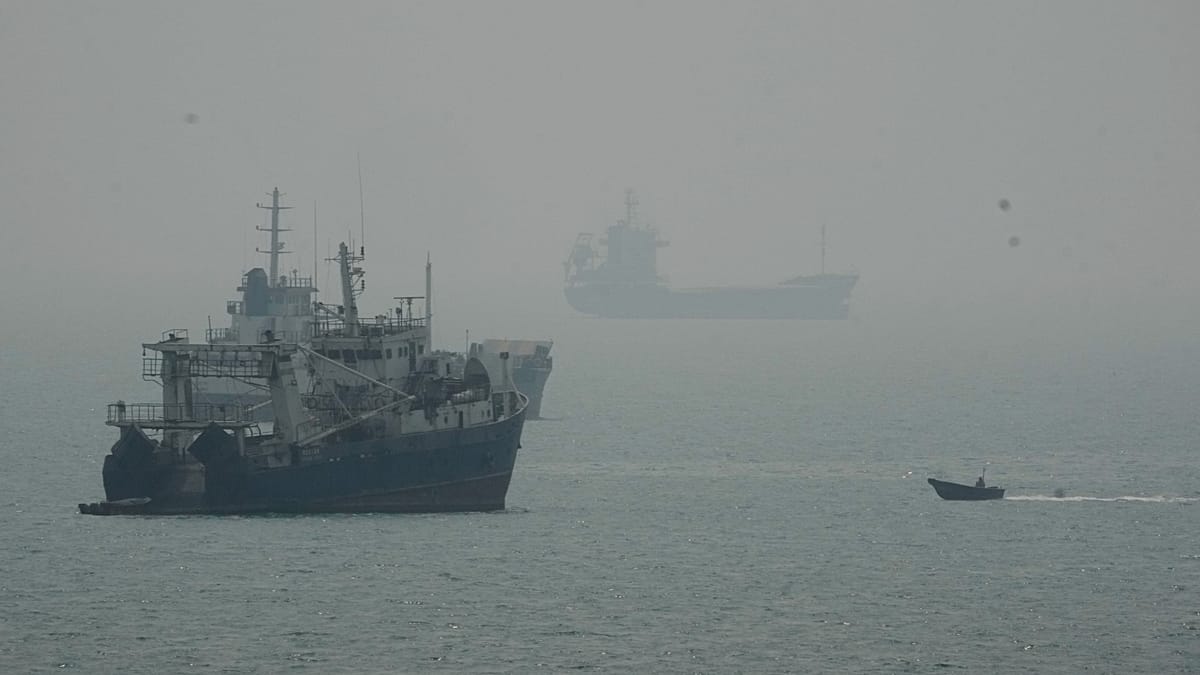
The United States military said it destroyed five Iranian oil tankers on Tuesday, responding to a series of attacks on its naval forces in the region. US Central Command confirmed that the strikes came after Iran's Revolutionary Guards launched ballistic missiles at an American warship twice over the preceding two days. The US warship reportedly evaded the attacks without casualties or damage.
The five vessels—the Kivik, Charminar, Horizon 1, Riesco, and Derya—were targeted after their crews were ordered to abandon ship, according to the US statement. The destruction of the tankers is part of a broader campaign by Washington to disrupt Iranian oil smuggling and military logistics in the region.
Iranian retaliation and Jordan's air defenses
In response, Iran launched a volley of missiles at US targets in Jordan, according to Iranian state media. Jordan's military reported that its air defense systems intercepted 18 ballistic missiles aimed at the kingdom, with two others landing in uninhabited areas. No casualties were reported. Jordan, a key US ally that hosts American forces, has increasingly found itself in the crosshairs of Iranian retaliation.
The latest exchange brings the two sides closer to open hostilities in a conflict that has simmered for more than six months. The strikes also come amid heightened tensions across the Middle East, with Iran's proxies and allies engaged in attacks on US and allied targets from the Red Sea to Iraq and Syria.
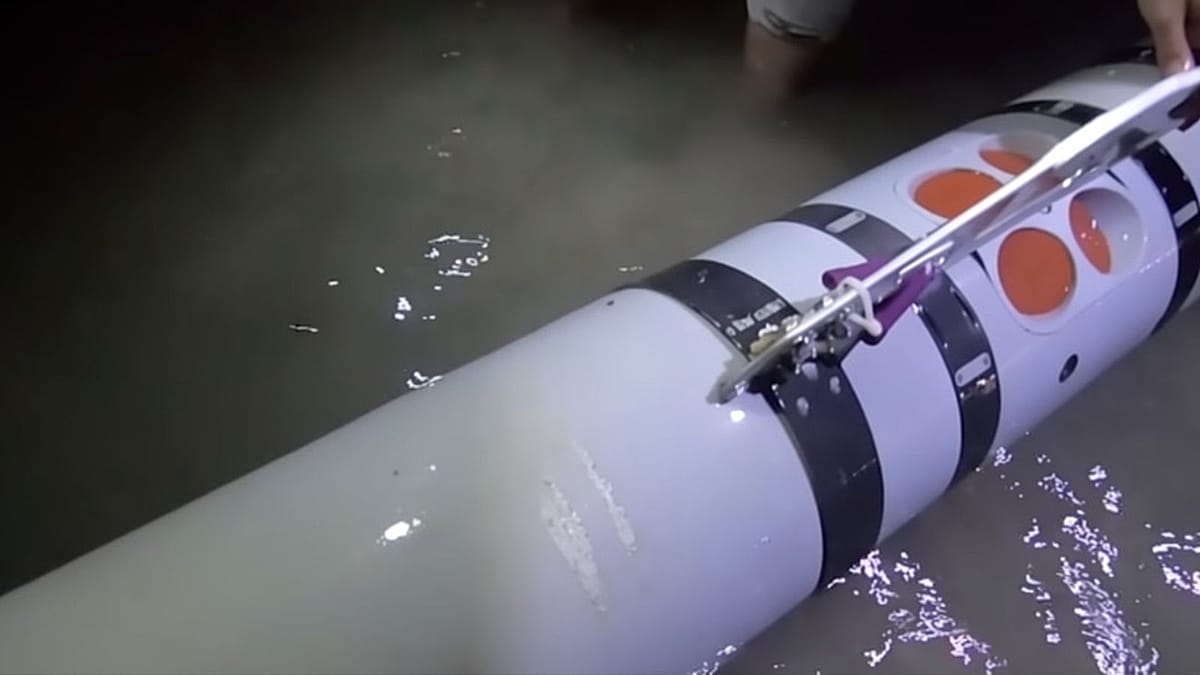
Earlier this week, Iran claimed to have captured an unmanned US underwater vessel near the Strait of Hormuz, broadcasting images of the purported drone. This follows an Iranian strike on a US naval drone in the same area, as reported by Iranian forces.
The Trump administration also announced new sanctions on Iran's aviation sector, targeting more than two dozen commercial and private airlines as well as foreign cargo providers. The move is part of a renewed push to isolate Tehran from its remaining trading partners, adding economic pressure to the military confrontation.
European observers are watching the escalation with concern, as the conflict threatens to disrupt global oil supplies and destabilize the broader region. The European Union has repeatedly called for de-escalation and has sought to preserve the 2015 nuclear deal, though its efforts have been complicated by US withdrawal and Iranian non-compliance.
Meanwhile, Iran's economy continues to suffer under sanctions, with the rial plunging to record lows against the dollar. The latest sanctions on aviation are likely to further isolate Iran, affecting both passenger travel and cargo operations.
As the situation develops, European capitals are urging restraint and dialogue. The EU's foreign policy chief has called for an immediate ceasefire and a return to diplomatic channels, warning that a full-scale war would have catastrophic consequences for the region and beyond.
The United States has not indicated any change in its military posture, with Central Command vowing to continue protecting US forces and interests. Iran, for its part, has threatened further retaliation if attacked again.
The coming days will be critical in determining whether the two sides can step back from the brink or whether the region is headed for a wider conflagration.