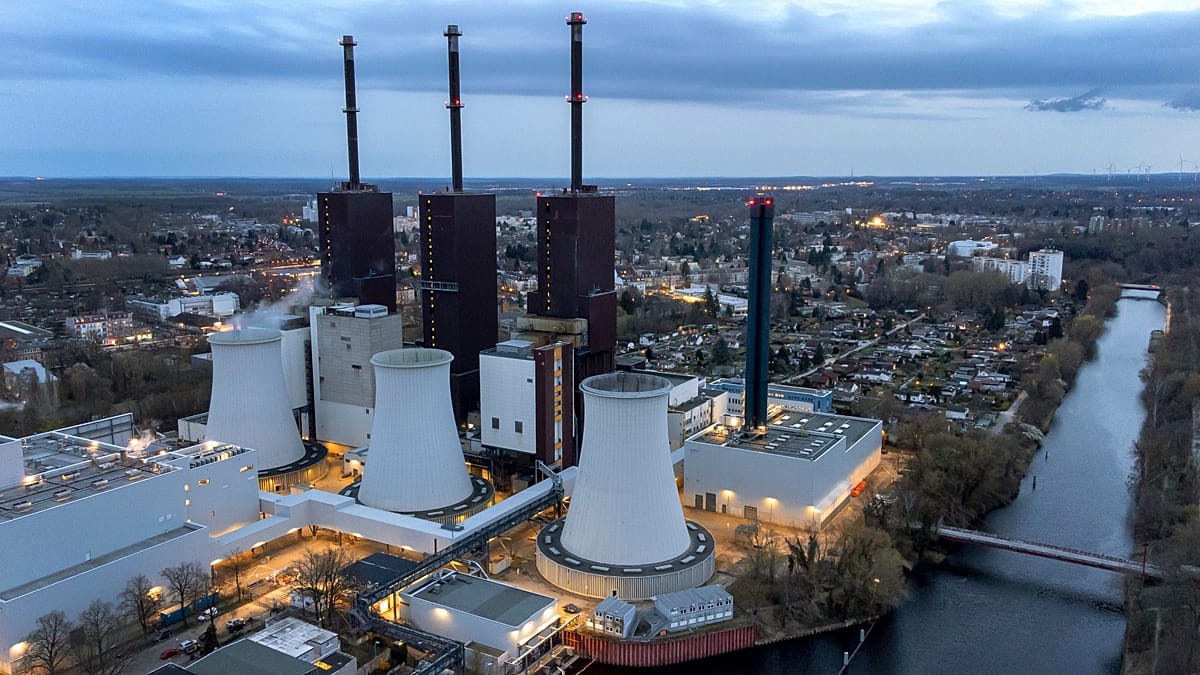
As Europe scrambles to secure affordable energy and meet climate targets, a Danish engineering firm argues that the solution may be hiding in plain sight: the heat we throw away. A report from Danfoss, published this week, estimates that in 2024, two-thirds of global energy was lost as waste heat. With demand rising, that share could reach 55 per cent by 2030, making the recovery of this heat an increasingly urgent opportunity.
Waste heat is the by-product of everyday processes—supermarket refrigeration, factory machinery, wastewater treatment, and the thousands of data centres humming across the continent. Instead of letting it dissipate into the air, where it contributes to the urban heat island effect, it can be captured and reused. Heat pumps can upgrade the temperature and pipe it into buildings or district heating networks, providing warmth and hot water without burning additional gas.
The potential is staggering. According to the report, Europe dumped roughly 3,100 terawatt-hours of waste heat in 2023—enough to meet the entire heating and hot water needs of Paris for 48 years. Reusing that heat could save the continent €140 billion annually, a figure that underscores the economic as well as environmental stakes.
Germany's industrial heat potential
Germany offers a concrete example. Existing industrial waste heat emitters could supply more than 30 per cent of the country's district heating demand, according to the analysis. And that figure does not even include data centres, which could push coverage considerably higher—Germany already hosts more than 3,000 servers, each generating significant heat.
One Danish aluminium manufacturer has already stopped using gas on-site by recovering its own waste heat. The project is projected to save the equivalent of the annual heating and hot water gas use of 132 Danish homes—a small but telling demonstration of what is possible.
“We're throwing away energy we've already paid for,” says Kristian Strand, President of Danfoss Climate Solutions. “Waste heat is one of the world's biggest untapped energy sources and reusing it is one of the fastest ways to strengthen Europe's competitiveness, energy security and resilience. We cannot afford to keep letting it go to waste.”
Strand argues that heat recovery must become “standard practice” in industry. Energy operators need to simplify connections to district heating networks, and governments must remove the barriers that currently make electricity more expensive than gas for these investments. Without policy support, the economics often favour the status quo.
The report comes at a time when Europe's energy security is under renewed scrutiny. The G7 energy summit proposed by Macron reflects growing concern over hybrid threats, while EU finance ministers are weighing windfall taxes on energy firms as prices surge. Waste heat recovery offers a way to reduce demand for imported gas, easing pressure on both household bills and national budgets.
Yet progress remains slow. The report criticises governments for lagging behind the technology, noting that while heat pumps and district heating are mature solutions, regulatory frameworks and pricing structures often discourage their adoption. In many countries, electricity taxes and levies make it cheaper to burn gas than to run a heat pump, an anomaly that Strand says must be corrected.
For Europe, the message is clear: the energy we discard is an asset, not a nuisance. With the right policies, waste heat could become a cornerstone of the continent's transition away from fossil fuels—and a competitive advantage in the global race for clean energy.