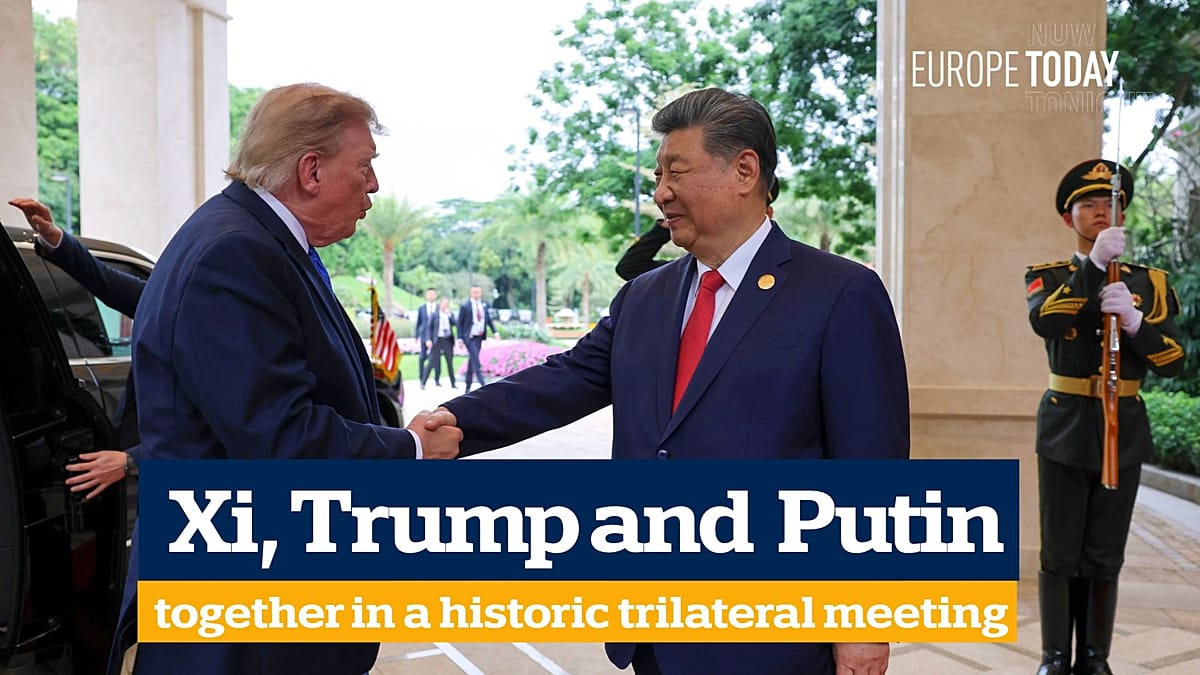
In a diplomatic first, the leaders of China, Russia and the United States are gathering in the southern Chinese city of Shenzhen for a trilateral summit that has captured global attention. Xi Jinping, Donald Trump and Vladimir Putin are expected to focus on denuclearization and the ongoing conflict with Iran, but Ukraine—the issue that has defined European security for years—is conspicuously off the table.
The meeting, held on the sidelines of the APEC summit, marks the first time the three heads of state have sat down together in a formal trilateral format. Its location, Shenzhen—a symbol of China's economic rise—adds a layer of significance, underscoring Beijing's role as a mediator between Washington and Moscow.
A narrow agenda with wide implications
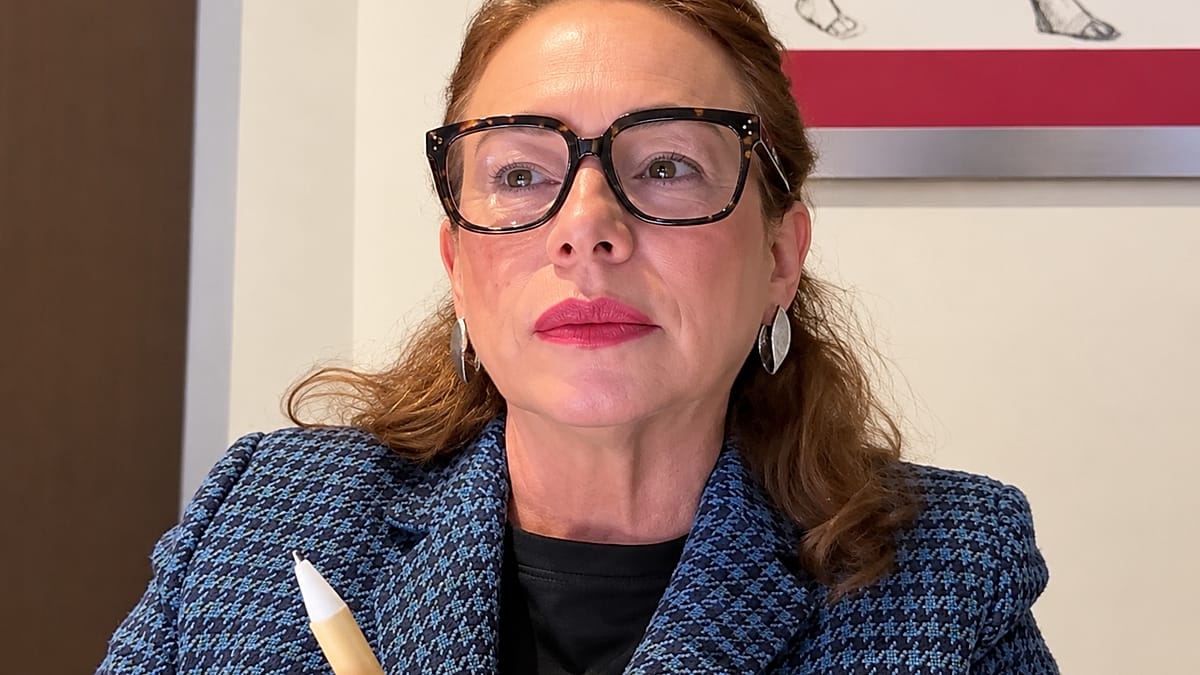
According to officials familiar with the discussions, the agenda is limited to two main topics: denuclearization and the Iran war. The absence of Ukraine from the talks has raised eyebrows in European capitals, where many see the conflict as the continent's most pressing security challenge. Kremlin critic Bill Browder, speaking to European Pulse, called the omission "a glaring signal that the great powers are carving up the world without regard for European interests."
Browder, a British-American investor who has campaigned against Russian corruption, warned that the trilateral could legitimize Moscow's actions in Ukraine by simply ignoring them. "When the US president sits down with Putin and Xi and doesn't even mention Ukraine, it sends a message that the rules-based order is up for negotiation," he said.
Serguei Doubine, editor of the Russian edition of Euronews, offered a more nuanced view. "For Moscow, this is a chance to be seen as an equal partner in global affairs, not a pariah. The Kremlin will try to use this meeting to project an image of normalcy, even as the war in Ukraine grinds on."
Berlin: the Coalition of the Willing meets
Just hours after the Shenzhen summit, a separate but related diplomatic track is unfolding in Berlin. Trump's envoys, Jared Kushner and Steve Witkoff, are meeting with senior officials from Ukraine, its key European allies, NATO and the European Union as part of the so-called "Coalition of the Willing." The gathering aims to coordinate further support for Kyiv, a topic that was notably absent from the trilateral agenda.
Ignacy Niemczycki, Poland's Deputy Foreign Minister, will represent Warsaw at the Berlin talks. In an interview with European Pulse, he stressed the importance of European unity in the face of great-power politics. "We cannot rely on others to decide our security. The Coalition of the Willing is a platform for concrete action, not just declarations," Niemczycki said.
The timing of the two meetings—Shenzhen and Berlin—highlights the widening gap between the United States' bilateral approach to Russia and China, and Europe's more multilateral stance. While Washington seems willing to engage Moscow and Beijing on its own terms, European leaders are pushing for a coordinated strategy that keeps Ukraine at the center of the conversation.
Poland, which has been one of Ukraine's staunchest allies, is expected to push for new commitments on military aid and reconstruction funding. The Berlin meeting comes as the EU has proposed a €45 billion loan package for Ukraine, a move that some see as a counterweight to the trilateral's narrow focus.
European reactions and the road ahead
European officials have reacted with a mix of caution and pragmatism to the Shenzhen summit. French President Emmanuel Macron's office issued a statement expressing hope that the talks would contribute to global stability, while stressing that "no durable peace can be achieved without addressing the root causes of conflict in Europe."
German Chancellor Olaf Scholz, whose government is hosting the Berlin meeting, has been more direct. In a speech to the Bundestag, he said that "Europe cannot be a spectator in its own security. We must be at the table, not on the menu."
The trilateral's decision to exclude Ukraine has also drawn criticism from Baltic states. Lithuanian Foreign Minister Gabrielius Landsbergis called it "a dangerous precedent" that could embolden Russia. "If the world's biggest powers meet and don't even mention the largest armed conflict in Europe since 1945, what does that say about their commitment to international law?" he asked.
Meanwhile, the situation on the ground remains tense. Moldova recently shut its airspace as a Russian drone headed for Chișinău, a reminder of the war's spillover effects. And in Serbia, a student-backed parliament has convened after a historic vote, signaling political change in the Balkans.
For now, the world watches Shenzhen and Berlin. The trilateral may produce a joint statement on denuclearization or Iran, but its silence on Ukraine will likely echo louder in European chancelleries. As Browder put it, "The question is not what they say, but what they don't say."