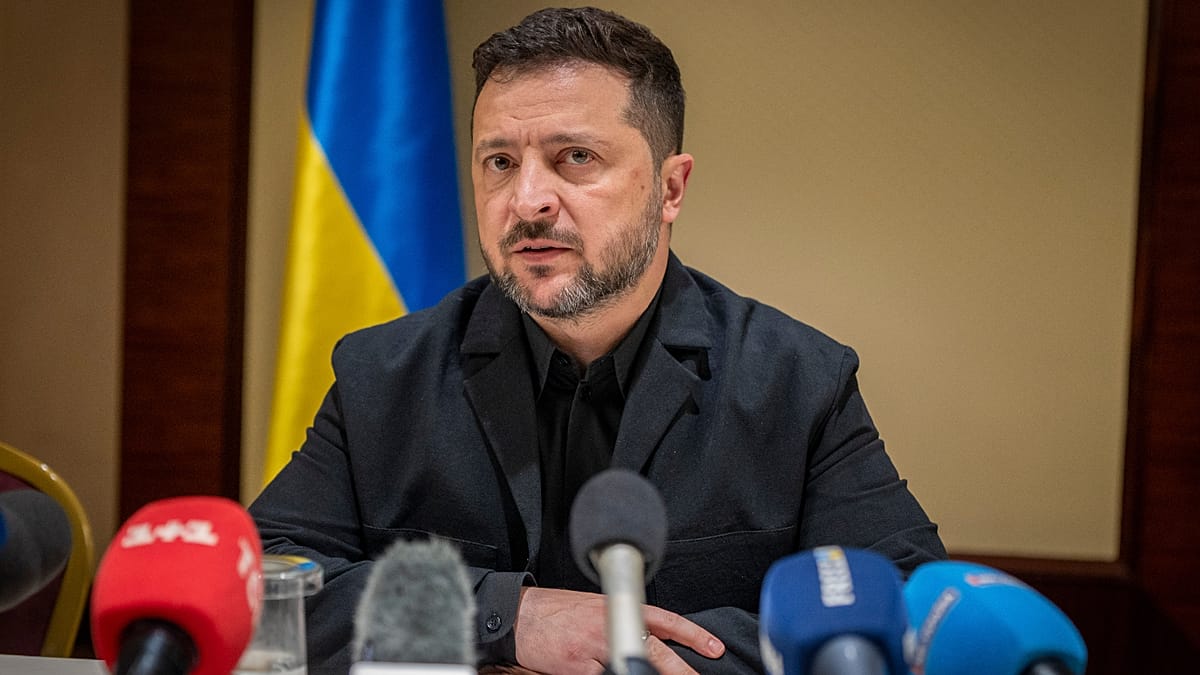
Ukrainian President Volodymyr Zelenskyy has rejected the idea that Washington should have a say in who leads Ukraine, responding to Donald Trump's weekend suggestion that Kyiv needs a new president willing to strike a deal with Moscow.
"With all respect to President Trump, it is up to our society, up to our people, to choose one or another leader," Zelenskyy told ABC News in a televised interview. His remarks came a day after the US president said Ukraine should replace its wartime leadership, blaming Zelenskyy for failing to end the war and for record diesel prices in the United States.
Zelenskyy countered with a conditional offer: if Washington genuinely wants Ukrainian elections, it should press Vladimir Putin to halt the fighting first. "Please tell Putin to give us two months, 60 days of total ceasefire, and we will organise elections," he said, adding that Kyiv is ready for de-escalation "with any kind of steps".
A reciprocal halt to long-range strikes
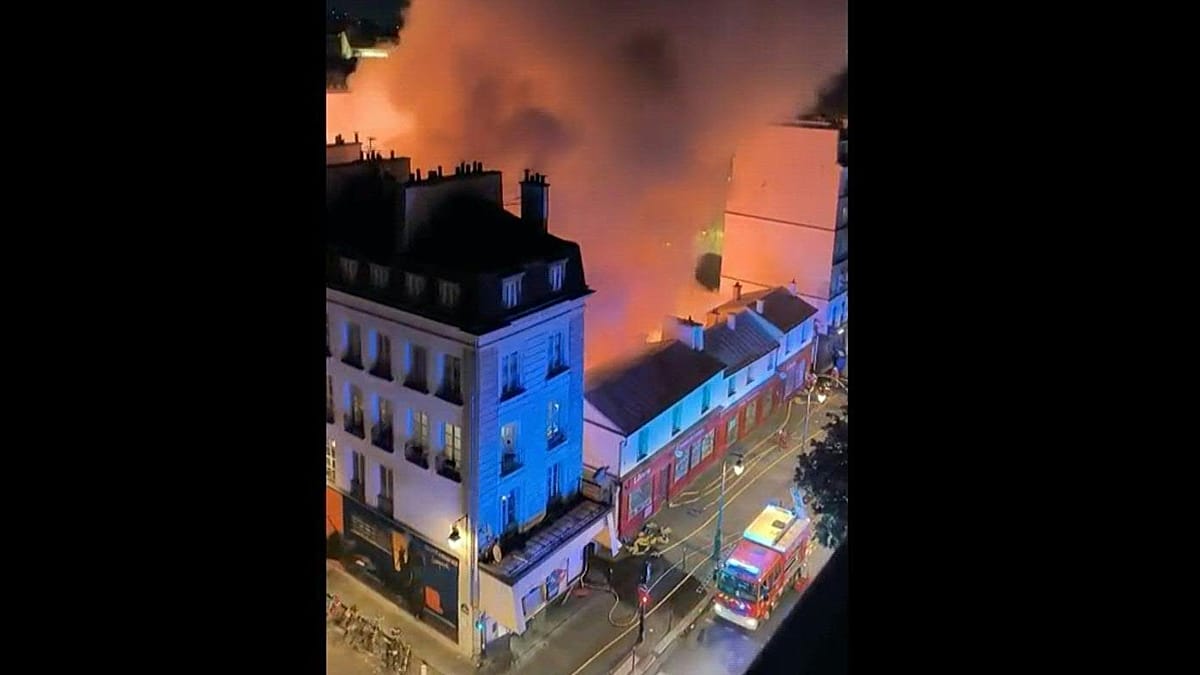
The exchange unfolded as both sides press a long-range aerial war while their armies remain largely deadlocked along the front line, more than four and a half years after Russia's full-scale invasion. Ukrainian drones have repeatedly targeted Russian refineries and energy sites, and on Sunday a strike shut down a data centre operated by the Russian technology giant Yandex — the third attack on the company's facilities in four days, according to reports of the Yandex data centre strike.
Zelenskyy framed any pause in strikes as a two-way bargain. "It is possible to stop strikes on energy infrastructure as early as today, but Putin does not want to do so," he wrote on X, insisting that de-escalation must be reciprocal and backed by real guarantees. "Don't attack us. Don't kill our children. We will stop attacking your diesel. And I think it's a fair deal."
Trump has for weeks urged Kyiv to halt strikes on Russian energy infrastructure, and on Friday he announced a deal with Putin to import Russian diesel into the United States in an effort to cool fuel prices ahead of the US midterm elections — a move that drew dismay from Ukrainian and European officials, who argue it will help finance Moscow's war effort. The arrangement is part of a broader push to lower US fuel prices via Russian diesel imports.
Kyiv's allies push back
Ukrainian Foreign Minister Andrii Sybiha defended Zelenskyy directly, writing on X that the president is leading the country through a war for its independence. "He has the support of the Ukrainian people, and they have the right to decide," Sybiha said. "Statements from abroad only confirm that he is doing his job well."
The spat has sharpened a wider debate in Europe about the durability of Western support for Kyiv. Trump's call for new Ukrainian leadership, and his direct engagement with Putin on energy, have unsettled European capitals already grappling with the limits of EU support for Ukraine as Russia intensifies its assault on Ukrainian cities and infrastructure.
For now, Zelenskyy's position rests on a simple argument: that sovereignty, including the right to choose a president, is not a bargaining chip to be traded in Washington or Moscow. Whether that argument holds will depend less on rhetoric than on whether the front line moves — and whether Europe and the United States can keep their commitments to Kyiv steady through another winter of war.