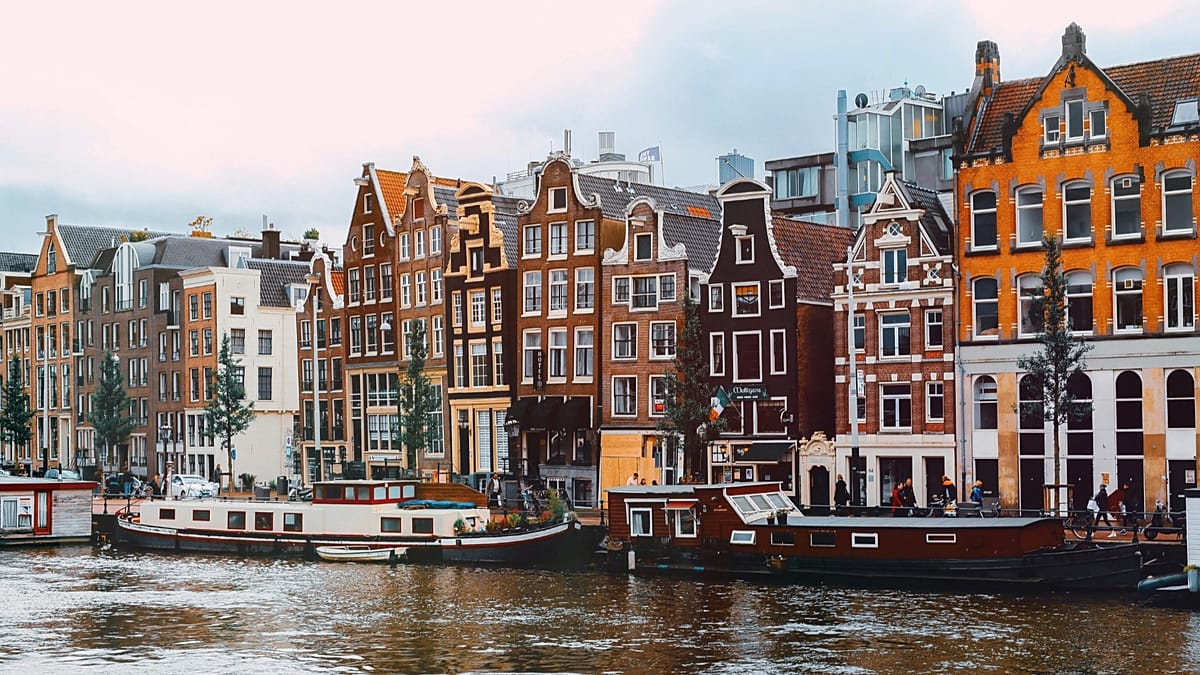
Amsterdam has become the first capital city globally to prohibit advertisements for fossil fuel products and meat in public spaces, a move that took effect on 1 May. The ban, initially proposed in 2020, is part of the city's broader strategy to achieve carbon neutrality by 2050 and to reduce meat consumption by half over the same period.
Scope of the Ban
On 22 January, the Amsterdam city council approved a motion by the green party GroenLinks and the animal welfare party Partij voor de Dieren to ban advertising for fossil fuels and meat on public billboards and across the city's public transport network. The prohibition specifically covers advertisements for air travel, cruises, and petrol-powered cars.
“The decision to ban fossil fuel advertising comes at a crucial moment in the fight against climate change,” said Femke Sleegers, coordinator of the Reclame Fossielvrij (Fossil Free Advertising) initiative, when the ban was first proposed. “Adverts that portray fossil fuels as normal worsen climate disruption and have no place in a city — or a country — that has complied with the Paris Agreement.”
Amsterdam follows several other Dutch cities that have enacted similar restrictions, including Utrecht, The Hague, Zwolle, Delft, and Nijmegen. Campaigners argue that fossil fuel advertising should be regulated like tobacco and alcohol. “Just as anti-smoking policies are ineffective when tobacco ads are everywhere, we can’t have effective climate policy while fossil fuel products are promoted on every street corner,” Sleegers added.
National and European Context
According to Dutch news site NLTimes, climate minister Sophie Hermans opposes a nationwide rule, preferring local initiatives. In contrast, France became the first European country to ban fossil fuel advertisements under a 2022 climate law. That legislation prohibits advertising for all energy products derived from fossil fuels, including petrol, coal combustion energy, and hydrogen-containing carbons.
The Amsterdam ban aligns with broader European efforts to reduce fossil fuel dependence. For instance, the Santa Marta Summit saw European leaders push for a fossil fuel phaseout as a legal duty, while the EU Climate Chief Hoekstra has urged an end to new fossil fuel drilling amid the Middle East crisis. Italy, the EU nation most exposed to fossil fuel shocks, has called for a united European energy transition, as reported in this analysis.
The ban also touches on the broader debate about advertising regulation. Just as the UK's proposed cigarette ban has divided public opinion, Amsterdam's move is likely to spark discussion about the role of advertising in shaping consumer behavior and environmental impact.
Amsterdam's initiative represents a significant step in urban climate policy, setting a precedent that other European capitals may follow. The city's approach underscores the growing recognition that advertising plays a crucial role in normalizing or challenging environmentally harmful practices.