German chemicals giant BASF has lifted its 2026 profit guidance for the second time in a year, citing price increases triggered by the ongoing conflict in Iran. The company now expects core profit of €7.4 billion to €7.8 billion, up from its previous range of €6.9 billion to €7.7 billion.
The upward revision follows a decision in March to raise prices on certain goods by as much as 30%, a response to soaring energy and raw material costs linked to the US-Israeli military campaign against Iran. The move has helped offset weaker demand in some segments.
Strong third-quarter results
On Wednesday, BASF reported a 15% year-on-year increase in third-quarter core profit, reaching €1.6 billion. Group sales climbed 14% to €16.4 billion over the same period. The company attributed the growth to "considerably higher prices (plus 12%) and slightly higher volumes (plus 2%)."
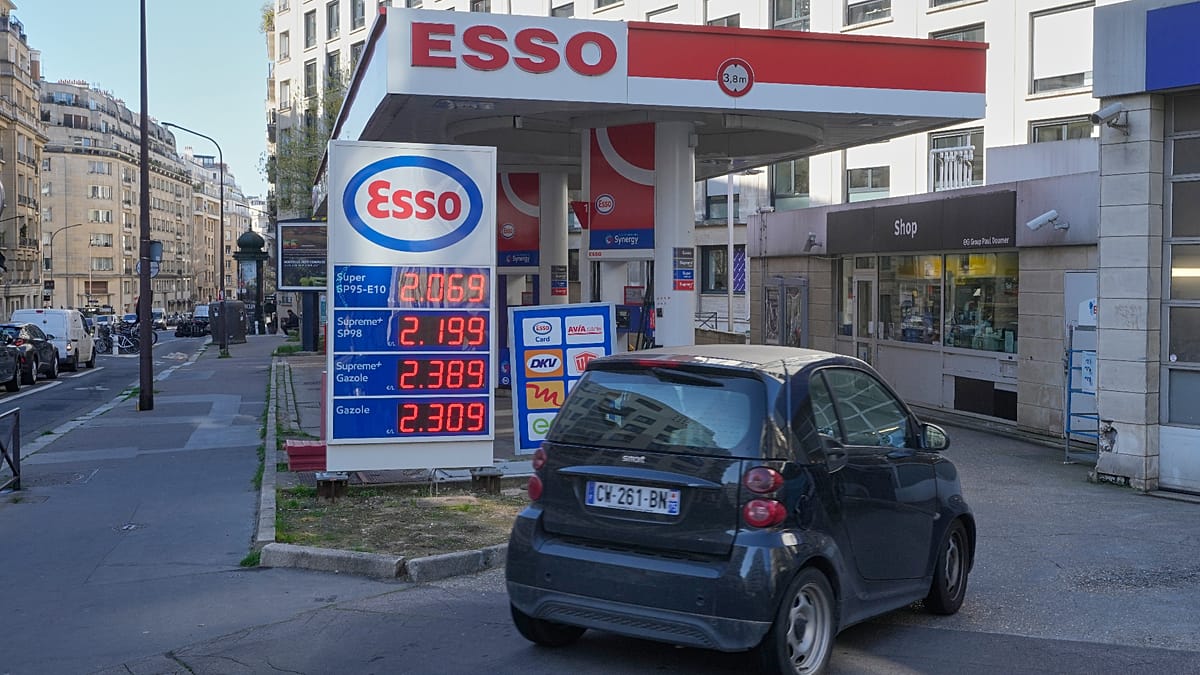
The results underscore how the war in the Middle East is reshaping European industry. Energy costs have spiked across the continent, with European gas prices tripling as winter storage levels hit record lows. For energy-intensive sectors like chemicals, the impact is particularly acute.
BASF's performance stands in contrast to other German industrial giants. Mercedes-Benz, for instance, has trimmed its 2026 profit forecast as Chinese demand weakens, highlighting the uneven recovery across the country's manufacturing base.
Restructuring and strategic shifts
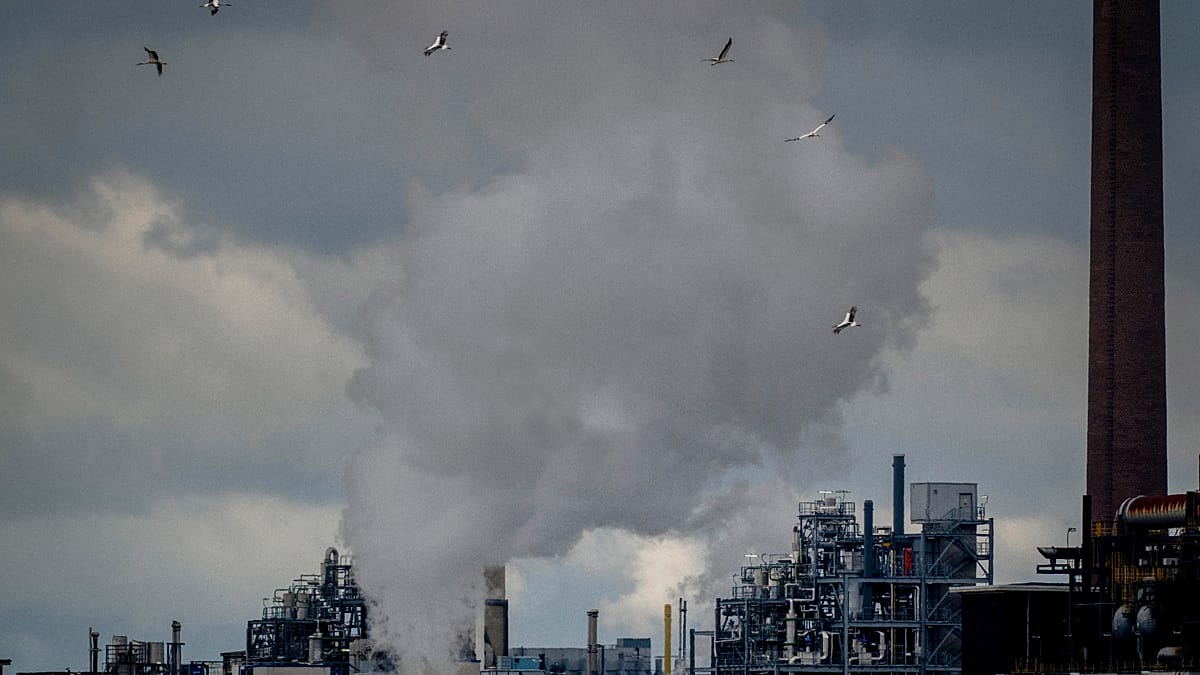
The chemicals sector across Europe is under intense pressure from high energy prices and growing competition from Asian rivals. BASF is responding with a major restructuring, including thousands of job cuts at its historic headquarters in Ludwigshafen. The company has also opened a large chemical complex in China this year to serve Asian markets more directly.
In a further strategic move, BASF is exploring a multibillion-euro acquisition of German rival Evonik. The company says a combination could allow it to secure feedstocks and precursor chemicals at lower cost, strengthening its position in a challenging global market.
Analysts note that while the Iran conflict has boosted BASF's short-term pricing power, the long-term outlook depends on how quickly energy markets stabilise and whether demand in key regions like Europe and China recovers. The company's ability to pass on higher costs has been a bright spot, but sustained profitability will require deeper structural changes.
For now, BASF's revised guidance offers a rare piece of good news for Germany's industrial sector, which has been grappling with weak exports and high energy costs. Whether the momentum can be maintained remains an open question as geopolitical tensions continue to shape global trade and energy flows.