Canada has retaliated in the escalating trade conflict with the United States, unveiling a broad set of counter-tariffs on American products. The measures, announced on Tuesday by Finance Minister François-Philippe Champagne, will apply to C$27.6 billion (€17 billion) worth of imports and take effect on September 8.
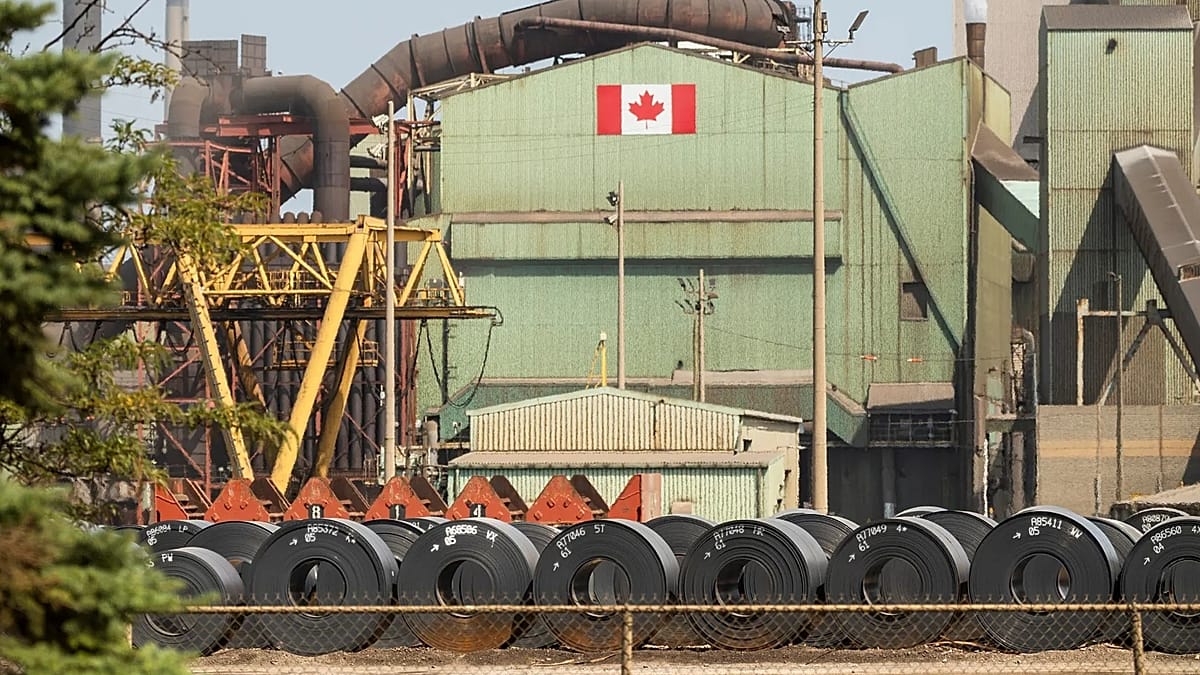
Speaking at a press conference in Ottawa, Champagne said the response would be "proportionate, targeted, and strategic," matching the tariffs imposed by Washington "dollar for dollar, rate for rate." The new duties range from 15% to 50%, hitting sectors including steel, aluminium, appliances, dairy, agricultural equipment, plastics, pulp and paper, and electronics.
The move follows the imposition of hefty 50% US tariffs on around C$28 billion (€17 billion) of Canadian goods on Saturday, after trade negotiations between the two countries broke down. The US duties cover a wide array of products, from hockey sticks to wine to cement.
Talks collapse over 'uneconomic' terms
Champagne said Canada had been forced to abandon negotiations with the Trump administration, describing the proposed terms as "uneconomic, unfair, and ultimately unacceptable." He framed the tariff war as an "unprecedented challenge imposed on Canada" but insisted the country would "meet the moment."
"We will support our workers, our businesses, and our industries with whatever it takes, for as long as it takes," he added. To that end, the government announced a C$7.5 billion (€4.6 billion) aid package to cushion the impact on Canadian workers and companies.
The escalation comes as US President Donald Trump threatened on Monday to double tariffs on Canadian vehicles from 2027, accusing Ottawa of "ripping off the United States of America for years." The threat adds another layer of uncertainty to cross-border trade, which is deeply integrated in sectors like automotive manufacturing.
Canada's hardline stance has drawn attention beyond North America. As Canada's approach poses a question for Europe, policymakers in Brussels and national capitals are watching closely. The European Union has its own trade disputes with Washington, and the Canadian response could offer a template for how to handle aggressive US tariff policies.
For European businesses, the ripple effects could be significant. Canadian counter-tariffs on steel and aluminium, for instance, may redirect trade flows and affect global prices. European automakers with operations in North America, such as Volkswagen, are already grappling with communication issues around plant closures, and further tariff volatility could complicate their planning.
The Canadian government has signalled it is prepared to sustain the fight. "We will not back down," Champagne said, echoing earlier statements by Prime Minister Mark Carney, who has vowed dollar-for-dollar retaliation. The aid package is designed to help industries adjust, but the long-term economic costs remain uncertain.
Analysts note that the tariffs could raise prices for consumers on both sides of the border. Canadian importers of US goods will face higher costs, which may be passed on to shoppers. Meanwhile, US exporters lose access to a major market, potentially hurting American jobs in sectors like agriculture and manufacturing.
The trade war also carries political implications. Trump's threats, including floating the idea of renaming Lake Ontario, have inflamed nationalist sentiment in Canada. The dispute is likely to feature prominently in the upcoming Canadian federal election, with Carney positioning himself as a defender of national interests.
For Europe, the lesson may be that trade disputes with the US require a firm, coordinated response. As the EU considers its own strategy, the Canadian example offers both a model and a warning: retaliation can be effective, but it also risks a spiral of escalation that harms all parties.