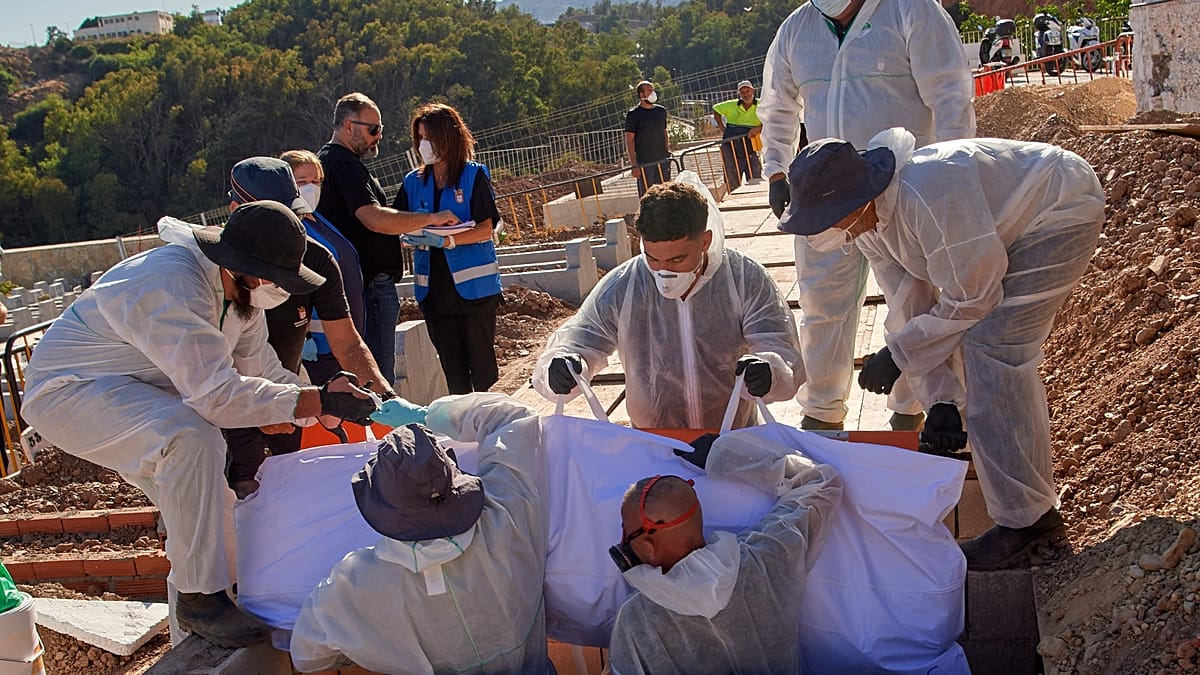
Three weeks after one of the deadliest incidents on Spain's southern border, the Spanish enclave of Ceuta has buried 18 unidentified migrants in its Muslim cemetery. The men, all of whom died during the late-July mass arrival from Morocco, were laid to rest on Friday in graves marked only with numbers, allowing for possible identification if relatives come forward in the future, according to Said Mohammed, the cemetery's interim director.
During the ceremony, a Muslim cleric recited prayers as funeral workers lowered the bodies—wrapped in white shrouds—into the earth. The graves were oriented towards Mecca, following Islamic rite. The numbered stones will help locate the remains if families later claim them.
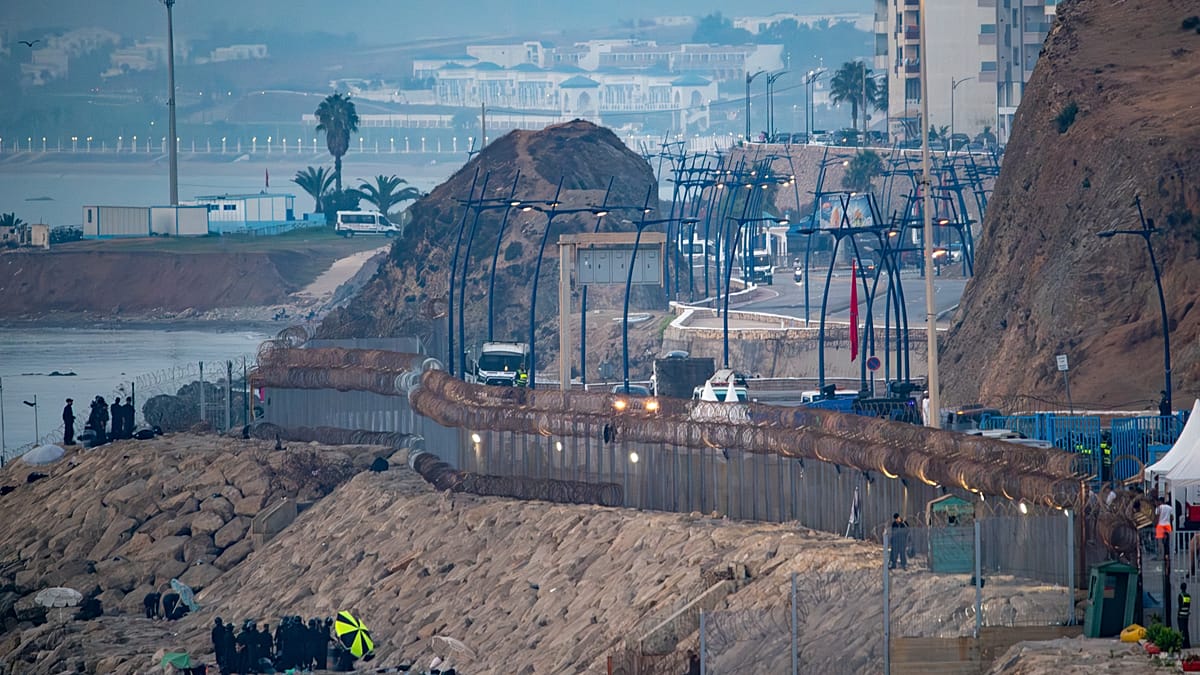
The deceased are among the more than 90 people who lost their lives during the chaotic crossing, which saw over 72,000 people enter Ceuta from Morocco in a matter of days. Many drowned or were crushed in a stampede as they attempted to traverse a breakwater near one of the border crossings. Local authorities expect more burials in the coming days as the death toll is still being tallied.
Moroccan NGO calls for halt to burials
The Moroccan Association for Human Rights has urged Ceuta to suspend burials until every avenue for identifying the victims and returning their bodies to Morocco has been exhausted. In a statement, the organisation called on Morocco's Foreign Ministry to ensure that "the bodies are returned to the families so they can be buried with dignity," describing the burials as a "new human tragedy" that compounds the "disaster of displacement and missing people."
Ceuta's city government said last week that all procedures for repatriating the bodies had been completed, but that Morocco had not accepted them. The Moroccan Foreign Ministry did not respond to questions from the Associated Press about the burials or about allegations that Rabat is blocking the return of bodies of migrants who have already been identified.
The standoff highlights the ongoing diplomatic friction between Spain and Morocco over the enclaves of Ceuta and Melilla, a dispute that has recently resurfaced in renewed sovereignty claims by Rabat.
Thousands still in Ceuta
While most of the 72,000 people who crossed into Ceuta returned to Morocco almost immediately, thousands remain in the city, prolonging a humanitarian crisis that is straining local resources. Estimates vary: local officials suggest up to 10,000 migrants, including women and children, may still be present, while Spain's central government puts the figure at around 5,000.
Spanish and Moroccan authorities have blamed the mass arrival on social media rumours and people-smuggling networks. Migrants themselves, however, point to unemployment and low wages as the driving factors behind their decision to attempt the crossing.
In recent weeks, Spain has relocated migrants from a makeshift beach camp to shelters in an effort to manage the influx, but the situation remains fragile. The crisis has also drawn attention to broader migration pressures on Europe's southern borders, from the Atlantic routes off West Africa to the hybrid tactics on the EU's eastern frontier.
For the families of the 18 men buried on Friday, the numbered graves in Ceuta may be the only closure they ever receive. As the Moroccan NGO insists, the search for identification and repatriation must continue, so that these victims are not forgotten in a numbered plot far from home.