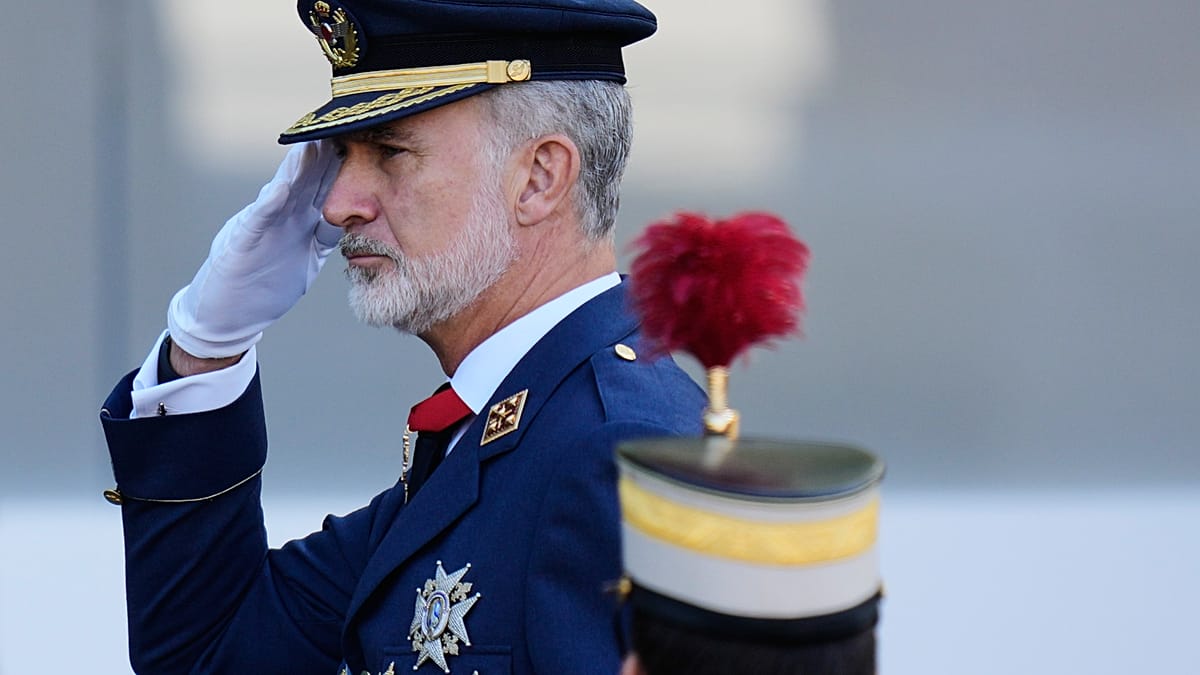
Ceuta, one of Spain's two autonomous cities on the North African coast, is preparing for a symbolic royal visit. King Felipe VI and Queen Letizia are expected to arrive in the coming days, their first trip to the enclave since the summer migration crisis that pushed local services and social cohesion to their limits.
The enclave, which shares a land border with Morocco, saw a significant uptick in attempted crossings during the warmer months. Hundreds of migrants, many from sub-Saharan Africa, tried to scale the double fence that separates Ceuta from Moroccan territory. Local authorities reported a surge in arrivals, with some days seeing more than a thousand people in temporary reception centres.
A test of resilience
The crisis tested the patience of Ceuta's residents, who have long complained about the lack of support from the mainland. The city's police and civil guard were stretched thin, and humanitarian organisations warned of overcrowding and poor conditions in makeshift camps. The Spanish government responded by sending reinforcements and increasing funding, but tensions remained high.
In the run-up to the royal visit, Spanish police cleared a beach camp that had been set up by migrants, a move that drew criticism from human rights groups. The operation, which took place earlier this week, was described as a security measure ahead of the king's arrival. The clearance of the camp has reignited debate about how Spain manages its external borders and the treatment of asylum seekers.
The visit is also seen as an opportunity to reaffirm the bond between the Spanish crown and the people of Ceuta. The enclave has a strong Spanish identity, and its residents have often felt overlooked by Madrid. A warm welcome for the royals is expected, with many locals viewing the trip as a sign of recognition.
Political context
The visit comes at a delicate moment in Spanish politics. Prime Minister Pedro Sánchez's government is navigating a complex coalition, and migration policy remains a contentious issue. The opposition has criticised the government's handling of the Ceuta crisis, while regional parties have called for more autonomy in managing border affairs.
Foreign Minister José Manuel Albares recently addressed the situation in Ceuta, linking it to broader discussions on Ukraine, housing, and Spain's role in Europe. Albares' comments highlighted the interconnected nature of these challenges, as Spain prepares for snap elections later this year.
The royal visit also carries symbolic weight beyond Spain's borders. Ceuta and Melilla, Spain's other North African enclave, are often cited as Europe's southernmost frontier. The migration pressure they face is a microcosm of the broader challenges confronting the European Union. Felipe VI's previous visits to the enclaves have been rare, making this trip particularly notable.
Local expectations
For many in Ceuta, the royal visit is a moment of pride. Local businesses are preparing for the influx of journalists and security personnel, and schools have been given a holiday so children can participate in the welcome ceremony. The city's government has called on residents to show their support, while also urging restraint in the face of ongoing tensions.
However, not everyone is enthusiastic. Some civil society groups have planned protests, arguing that the visit distracts from the underlying issues of poverty and inequality that drive migration. They point to the lack of legal pathways for migrants and the need for a more humane approach at the border.
The visit also comes against the backdrop of Spain's National Day celebrations, which have in the past been marked by far-right demonstrations in Ceuta. The presence of far-right groups during these events has raised concerns about social division, and authorities are keen to avoid any incidents during the royal itinerary.
As the royal couple prepares to land, the eyes of Europe are on Ceuta. The visit is a reminder that the continent's southern border is not just a line on a map, but a place where policy, politics, and human lives intersect. For the residents of Ceuta, it is a chance to show that they are not alone.