A new study led by the World Health Organization (WHO) and published in PLOS Neglected Tropical Diseases warns that rising global temperatures and expanding human settlements could drive highly venomous snakes into regions where they have never been common, including parts of Europe. The research combines data from museum records, citizen science platforms, and scientific literature to map the current distribution of the world's most dangerous snake species and project how their ranges may shift by 2050 and 2090.
Among the species identified as potential migrants are African spitting cobras, Asian kraits, North American cottonmouth moccasins, and several vipers from South America and Europe. The study highlights that as snakes seek cooler climates and escape habitat destruction, they may move closer to densely populated areas, increasing the likelihood of encounters with humans. This could lead to a rise in snakebite incidents, which already affect an estimated four million people annually, primarily in South Asia and the tropics.
European Vipers on the Move
While much of the focus has been on tropical regions, the study notes that European vipers—such as the nose-horned viper (Vipera ammodytes) found in the Balkans and parts of Italy—could also shift their ranges northward. Warmer temperatures may allow these snakes to colonise areas in Central and Northern Europe that were previously too cold, including parts of Germany, Poland, and the Baltic states. At the same time, urban sprawl and agricultural expansion in southern Europe, particularly in Spain, Greece, and the French Riviera, are reducing natural habitats, forcing snakes into closer contact with people.
“People should always be aware of their environments and take notice of changes they see,” said David Williams, one of the study’s authors. “For animals such as venomous snakes that may present a risk to human health, it is important to always take active prevention and risk-avoidance steps.” He emphasised simple measures like wearing covered footwear, using lights at night, and giving snakes space to retreat.
Risks in Rural and Urban Settings
The study predicts that in highly populated areas, snake encounters could become common in playgrounds, running tracks, water sources, and farmlands. In India, for example, Russell’s vipers, common cobras, and kraits are expected to move from the south to the more densely populated north. Similarly, kraits in Asia may shift from China’s Yunnan province and Myanmar’s forests into northern and central cities. The authors warn that poorer rural communities, where farmers often work barefoot and healthcare is distant, will be disproportionately affected.
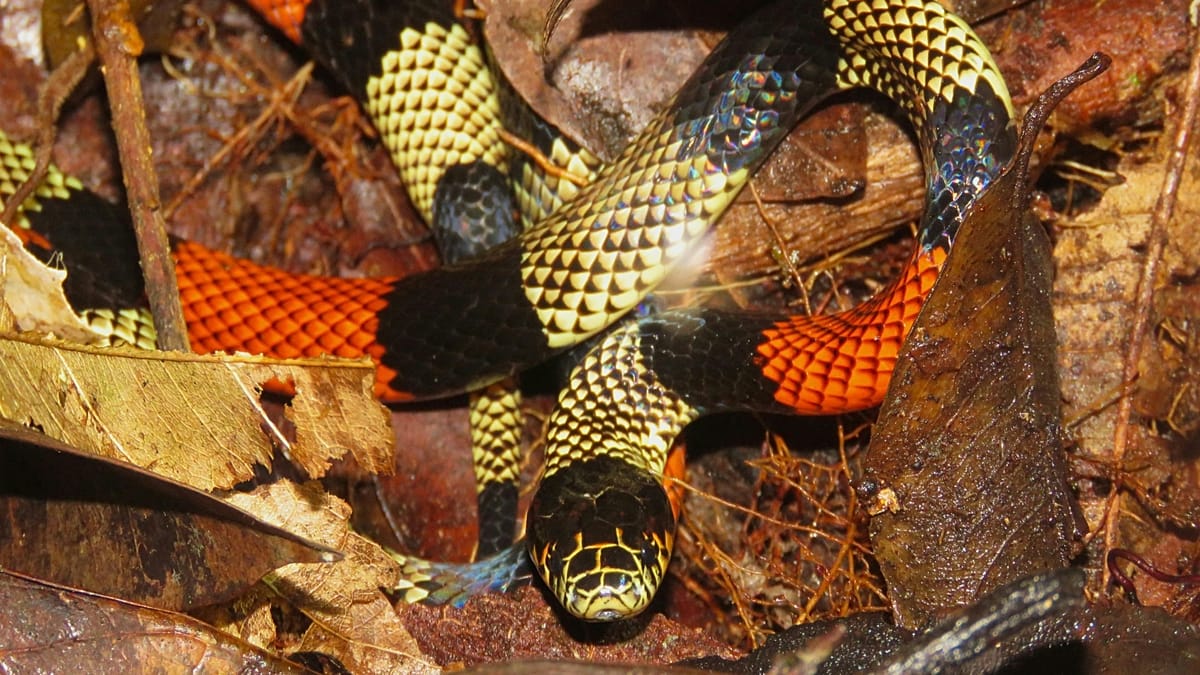
For Europe, the implications are twofold. While the continent has robust healthcare systems and antivenom supplies, many regions lack experience with venomous snakes. The study aims to help health authorities prioritise resources, including antivenom stockpiles, and improve access to care in remote communities. It also stresses the importance of snake conservation, as some species—such as coral snakes in the Amazon and puff adders in Africa—face extinction due to climate change and habitat loss.
“This is not just a public health issue; it’s an ecological one,” said a WHO spokesperson. “We need to balance human safety with the preservation of biodiversity.” The research underscores that while some snakes, like the black mamba, may expand into new areas in Africa, others could vanish entirely, disrupting local ecosystems.
For European readers, the study serves as a reminder that climate change is reshaping not only weather patterns but also the distribution of wildlife. As temperatures rise, the continent may need to prepare for new neighbours—some of them venomous. The findings also echo broader concerns about how environmental shifts are altering disease and injury risks, a topic explored in recent coverage of hantavirus outbreaks and the legacy of deadly storms in France.