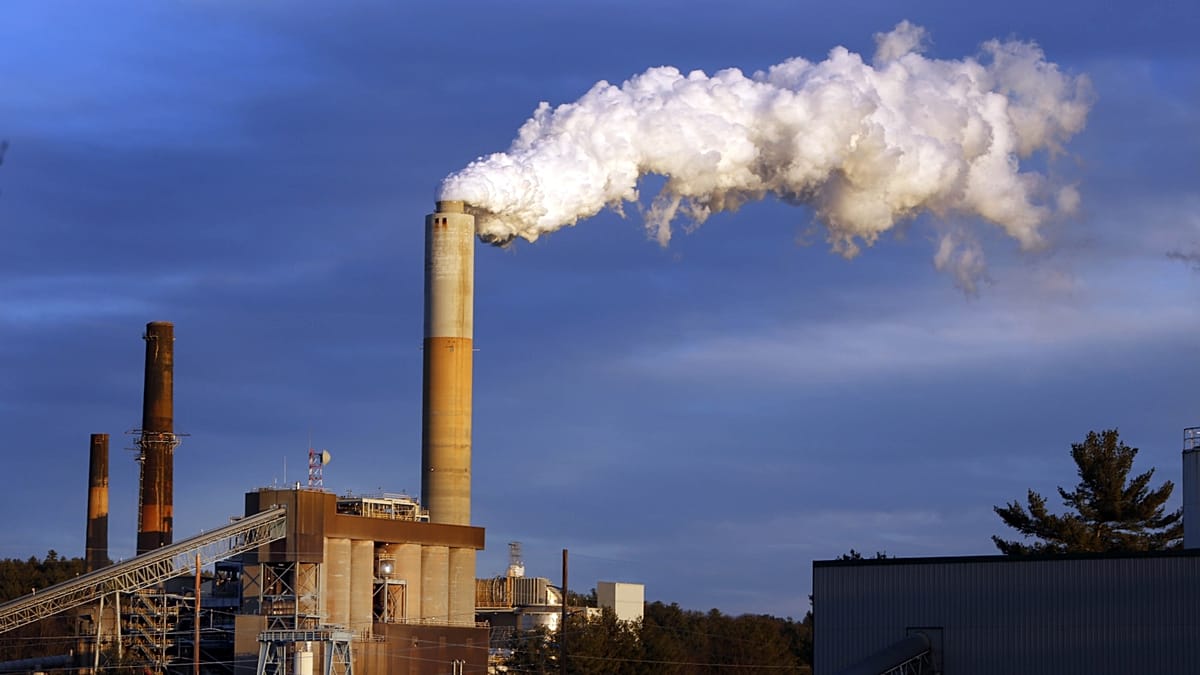
As the first week of COP31 in Antalya draws to a close, the elephant in the room remains unmistakable: fossil fuels. Despite mounting scientific warnings that the world is on track to overshoot the 1.5°C threshold, leaders have largely avoided the topic in their formal addresses, focusing instead on electrification and renewable energy expansion.
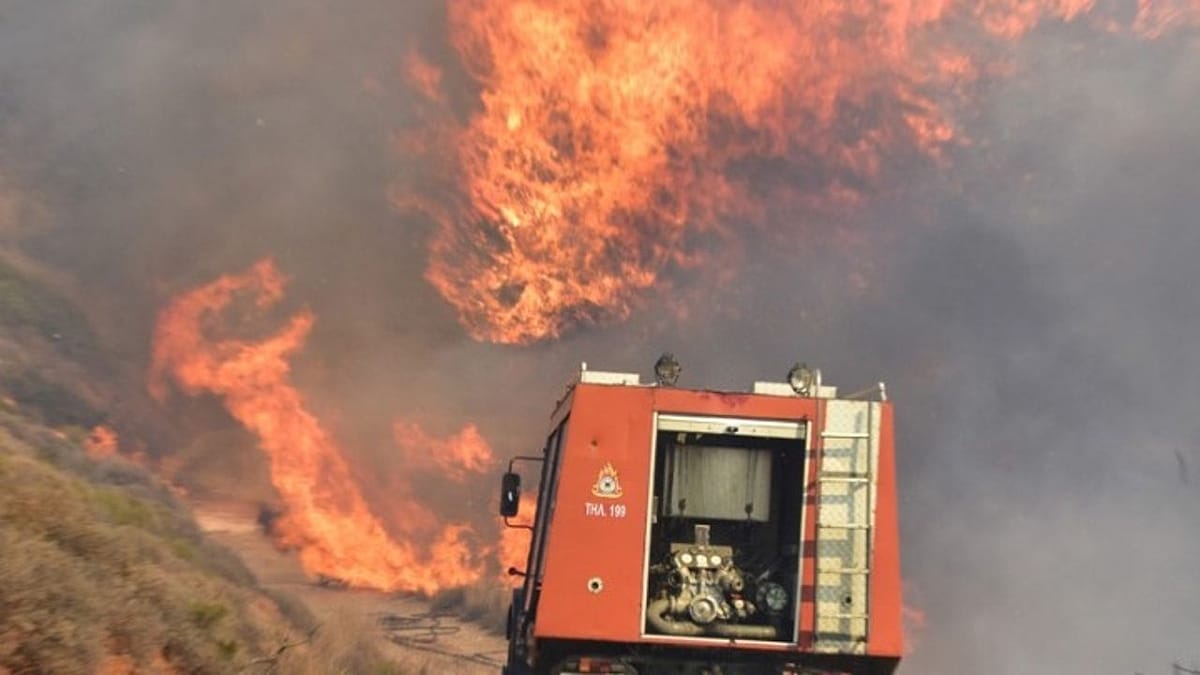
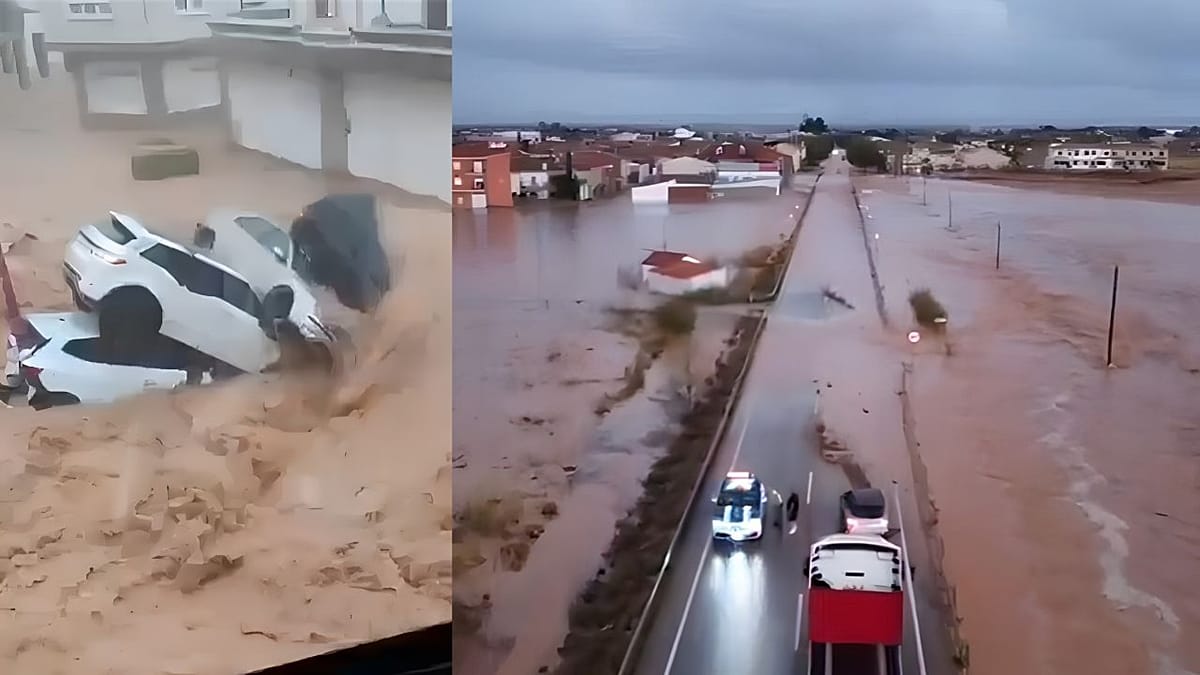
European Commission President Ursula von der Leyen set the tone on Wednesday, describing the recent spate of extreme weather and deadly wildfires across Europe as the “summer of truth.” She warned that “we are at a global tipping point” and cited the latest UN report, which makes clear that “every fraction of a degree matters.” Yet her speech, which outlined EU priorities for accelerating electrification and building global clean-energy partnerships, conspicuously omitted any direct reference to phasing out coal, oil, and gas.
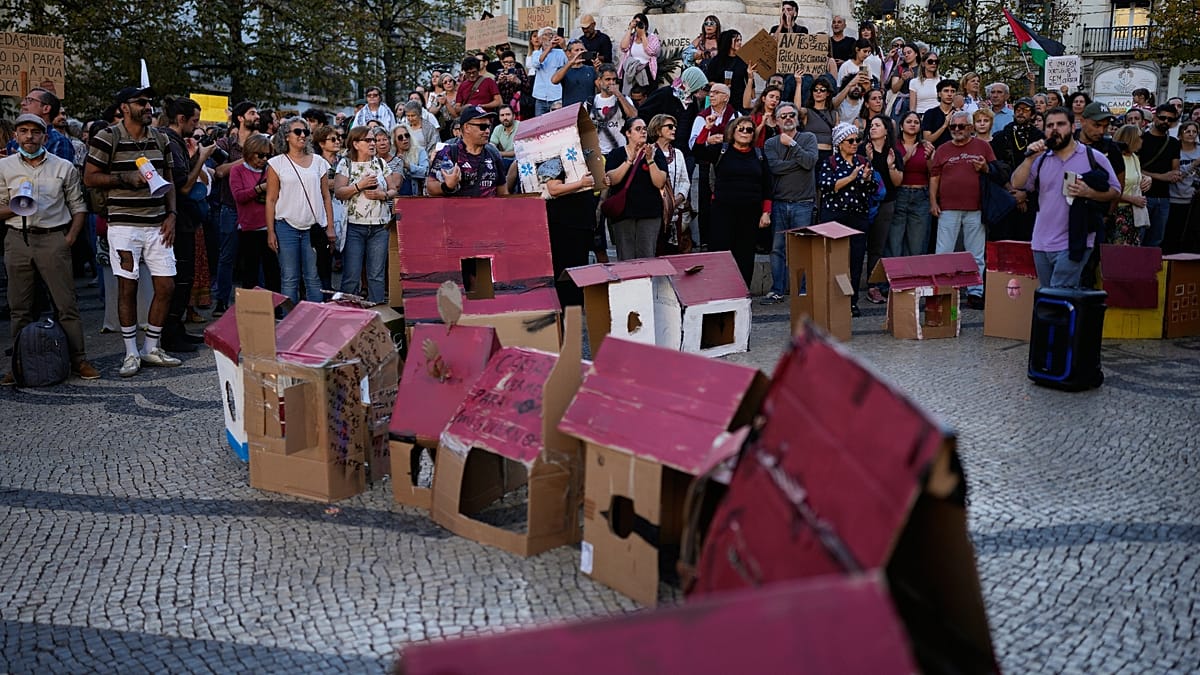
The omission did not go unnoticed. Climate activists and analysts argue that electrification without a clear commitment to transition away from fossil fuels risks giving the industry a free pass. Chiara Martinelli, director of Climate Action Network (CAN) Europe, put it bluntly: “Electrification needs to be clearly linked to a transition away from fossil fuels, otherwise it gives the fossil fuel industry cover to carry on as usual, raking in profits while ordinary people are hit by rising energy bills and impacts.”
Finland, however, is taking a different approach. At the summit, the Nordic country published a national roadmap to phase out fossil fuels, following in the footsteps of France, Germany, and the Netherlands. The roadmap, which aligns with the Santa Marta process on fossil fuel transition, comes after all mentions of such a transition were scrubbed from the final text of COP30 in Belém last year.
Finland’s ambition is notable: it aims to become carbon neutral by 2035, and already generates more than 96% of its electricity from non-fossil sources—one of the highest shares globally. Yet the country’s energy intensity remains high due to its heavy industry, long distances, and cold climate. Wood fuels account for 28% of total energy consumption, nuclear for 27%, and fossil fuels for 18%. The roadmap does not set a legally binding deadline for a full fossil fuel exit, but it signals a clear direction.
Romain Ioualalen of Oil Change International welcomed the move but cautioned that “roadmaps need to be more than just a reiteration of existing policies: we need to see rich countries accelerate their exit from fossil fuels to align with global climate goals.”
The contrast between Finland’s domestic action and the summit’s inertia is stark. Meanwhile, Türkiye, France, the US, and Italy have brought fossil fuel lobbyists to the talks, drawing criticism over the integrity of the process. Türkiye, as co-host, faces particular scrutiny: coal remains its largest power source, and its national climate plan allows for rising emissions. President Recep Tayyip Erdogan even celebrated a new oil discovery on Turkish territory as COP31 opened.
Finance remains the most contentious issue. Türkiye’s Energy Minister Alparslan Bayraktar argued that developing countries cannot be expected to abandon fossil fuels without access to technology and financing. “Without that, to tell the people you don’t need to consume coal, you don’t need to consume other fossil fuels, it doesn’t make any sense,” he told AFP. He stressed the need for massive investment in renewables and nuclear power.
At COP29 in Baku, developed nations pledged to mobilise at least $300 billion (€268bn) annually for developing countries by 2035, as part of a broader $1.3 trillion (€1.63tn) target. At COP30, governments agreed to push for at least a tripling of adaptation finance by 2035, but without settling the baseline or delivery mechanisms. Analysts suggest that anchoring the tripling pledge and agreeing on a $40 billion (€36.2bn) package could be a feasible route to a meaningful outcome in Antalya.
As the summit enters its second week, the gap between rhetoric and action remains wide. Finland’s roadmap offers a glimpse of what national leadership can look like, but without a global consensus on fossil fuel phaseout, the world risks falling further behind its climate goals. For Europe, the challenge is to translate individual member state ambition into a collective push that can influence the wider negotiations.
Related coverage: Europe's COP31 green talk clashes with fossil fuel scramble and Brazil's voluntary phaseout roadmap.