The COP31 climate summit in Antalya, Turkey, stretched into the longest UN climate conference on record, only to collapse without a final agreement. The European Union, backed by a coalition of countries, refused to accept a draft text that failed to include a clear commitment to move away from fossil fuels. The breakdown has left governments, campaigners, and businesses across Europe asking whether the annual UN climate talks can still deliver meaningful progress.
A summit that ran out of time
The talks, which were already running on overtime, finally broke down over the weekend. Negotiators had been hoping to build on the landmark agreement reached at COP28 in Dubai, where nations for the first time explicitly called for "transitioning away from fossil fuels." But in Antalya, that language was missing from the latest draft, prompting the EU and several other delegations to walk away.
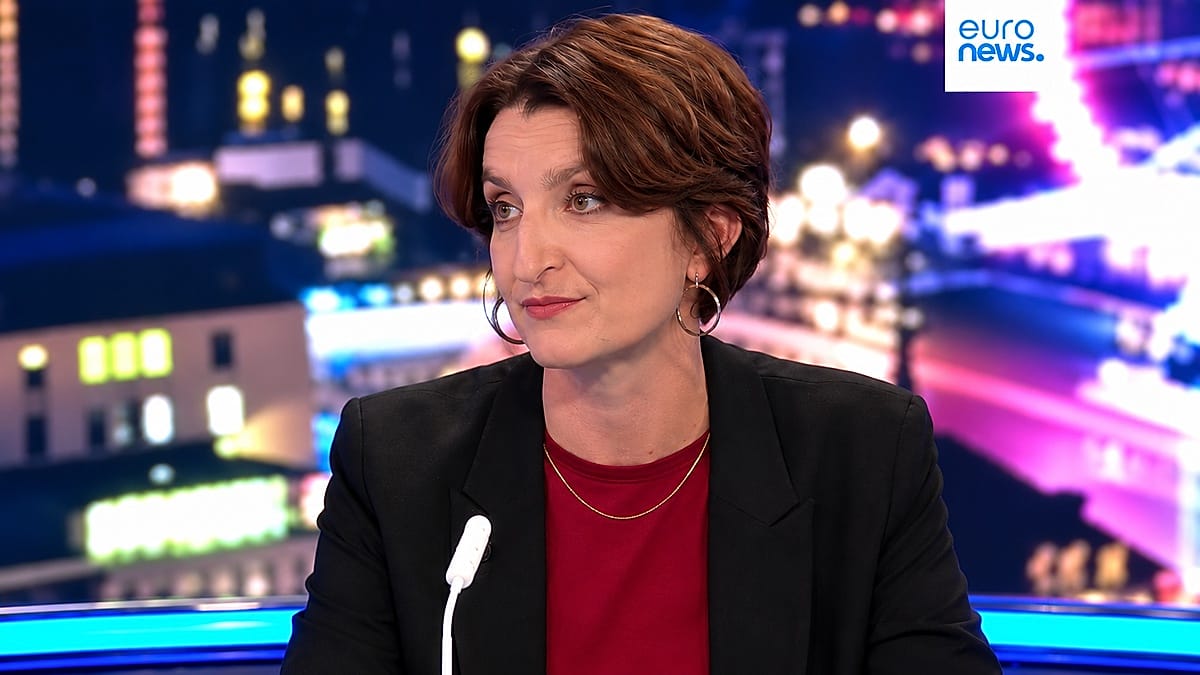
Chiara Martinelli, director of the Climate Action Network, told Europe Tonight that the failure was not a surprise but a symptom of deeper structural problems. "The COP process has become a hostage to the lowest common denominator," she said. "When the most powerful economies are not willing to put their own fossil fuel interests aside, the talks cannot deliver what science demands."
The absence of a deal in Antalya echoes the disappointments of previous summits, such as Copenhagen in 2009 and Madrid in 2019. As past climate summit failures show, the pattern is not new, but the stakes are higher than ever.
Europe's frustration grows
Across the continent, frustration is mounting. EU climate ministers had arrived in Antalya with a mandate to push for stronger ambition, including a global phase-out of coal, oil, and gas. The final draft, however, omitted any such reference, effectively rolling back the consensus reached in Dubai.
For European capitals, the collapse is a diplomatic setback. The EU has positioned itself as a global leader on climate policy, championing the European Green Deal and ambitious emissions reduction targets. But the failure in Antalya raises questions about how much influence Brussels can wield in a world where major emitters like China, India, and the United States are not always aligned with European priorities.
Martinelli argued that Europe must now take a different approach. "The EU cannot keep relying on the COP process alone," she said. "It needs to build coalitions with like-minded countries, use its trade and investment power to push for climate action, and be prepared to move faster than the global consensus allows."
What went wrong in Antalya
The immediate cause of the breakdown was the fossil fuel language. The draft text, which was circulated late in the negotiations, dropped the commitment to "transitioning away from fossil fuels" that had been agreed in Dubai. Instead, it referred only to "reducing emissions," a formulation that many delegations considered too weak.
The EU, along with small island states and several Latin American and African countries, insisted that the final text must include a clear reference to fossil fuels. But key oil-producing nations, including Saudi Arabia and Russia, resisted any such language. With time running out and positions entrenched, the talks collapsed.
The fossil fuel dispute had already forced the talks into overtime, and the final rejection came after days of intense negotiations. The failure to reach a deal means that the next opportunity for a global agreement will not come until COP32, which is expected to be held in 2026.
Implications for global climate action
The collapse in Antalya has significant implications beyond the negotiating halls. Scientists warn that the window to limit global warming to 1.5°C is closing rapidly, and every year without stronger action makes the goal harder to achieve.
For Europe, the failure may accelerate a shift toward more unilateral and bilateral climate action. The EU has already implemented carbon border adjustments and is investing heavily in renewable energy. But Martinelli cautioned that such measures are not enough. "Europe cannot solve the climate crisis alone," she said. "But it can show that a prosperous, low-carbon economy is possible, and it can use its leverage to encourage others to follow."
The EU's recent free trade pact with Indonesia includes climate and sustainability provisions, and similar agreements could become a template for using trade policy to advance environmental goals. However, the failure of the COP process may also embolden those who argue that international climate diplomacy is ineffective and that national action is the only realistic path.
A turning point for the COP process?
The question now is whether the COP process can be reformed or whether it has reached a breaking point. Some observers argue that the annual summits have become too large, too unwieldy, and too dominated by geopolitical rivalries to produce meaningful agreements.
Martinelli, however, believes that the COP process is still worth defending, but only if it is reformed. "We need a process that is more focused on implementation, not just negotiation," she said. "We need to hold countries accountable for the promises they make, and we need to ensure that the voices of the most vulnerable are heard."
For now, the failure in Antalya is a sobering reminder of the challenges ahead. As Europe reflects on what went wrong, the continent must decide whether to redouble its efforts within the UN framework or to chart a more independent course. The choice will shape not only Europe's climate policy but also its role in the world.