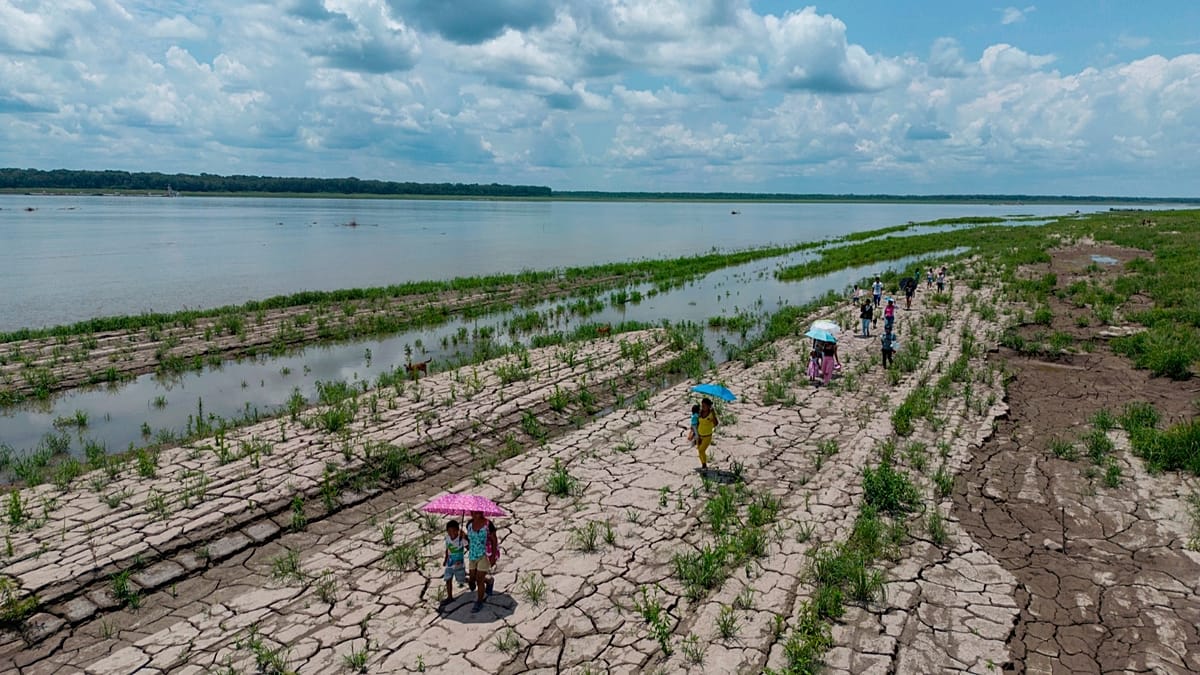
Climate scientists have confirmed that El Niño has officially begun, raising concerns across Europe about its potential to exacerbate drought, energy shortages, and food insecurity. The natural phenomenon, which occurs irregularly every two to seven years, is characterized by unusually warm sea surface temperatures in the Eastern Pacific Ocean, often leading to global temperature spikes and extreme weather events.
The last El Niño, from May 2023 through March 2024, contributed to record-breaking heat that fueled deadly heatwaves, wildfires, and floods worldwide. This year, the European Centre for Medium-Range Weather Forecasts (ECMWF) predicts that 2026 could be one of the hottest years on record, with higher-than-normal temperatures expected for summer and early autumn. Europe has already experienced a deadly May heatwave, and forecasters warn of 40°C temperatures and 'tropical nights' across the Mediterranean in the coming days.
Energy Sector Under Pressure
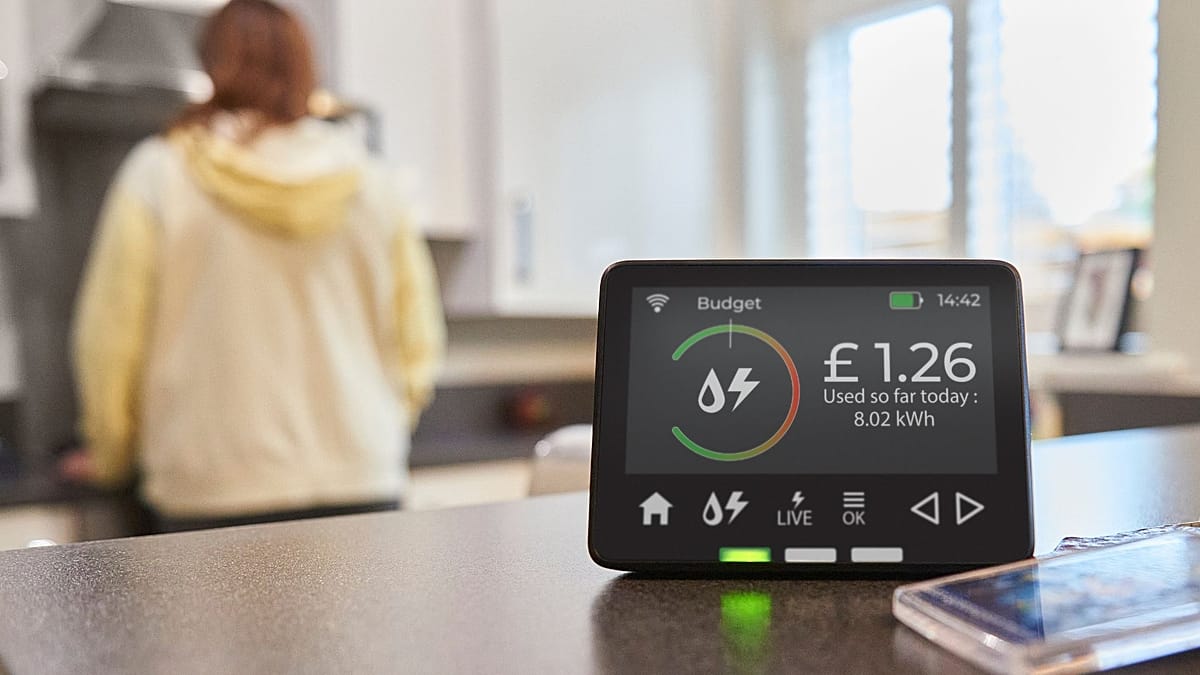
El Niño's impact extends beyond temperature. Experts at the IHE Delft Institute for Water Education in the Netherlands warn that reduced rainfall and low river flows could trigger widespread electricity shortages, particularly in regions reliant on hydropower. This could lead to higher costs and increased CO2 emissions as utilities turn to fossil fuels like oil and coal.
Norway, often called Europe's 'biggest battery' due to its extensive network of dams, has already seen its snow reserves fall to their lowest levels in two decades after a warm, dry winter. This has created a deficit of about 25 TWh—enough to power roughly 2.5 million homes for a year—representing nearly a fifth of Norway's total hydropower output last year. As EU energy ministers consider releasing jet fuel reserves amid the Hormuz crisis, the strain on Europe's energy grid is mounting.
Extreme heat also reduces solar generation due to the 'solar paradox.' Ioanna Vergini, founder of wfy24.com, explains that photovoltaic cells lose efficiency as temperatures rise, with a 0.4 to 0.5 percent drop for every degree above 25°C. This paradox could further challenge Europe's renewable energy ambitions, even as countries like Spain see a renewable boom that shields households from price spikes.
Food Security Risks
El Niño also threatens global food systems, with IHE Delft warning that food shortages could worsen over the next two years. In Nicaragua, key crops like maize and beans may fail, while Colombia, North-East Brazil, and India face severe irrigation restrictions. This is a critical concern for the EU, which imports approximately €188.6 billion worth of food annually, including staples like wheat, maize, and cocoa that are highly susceptible to extreme climates.
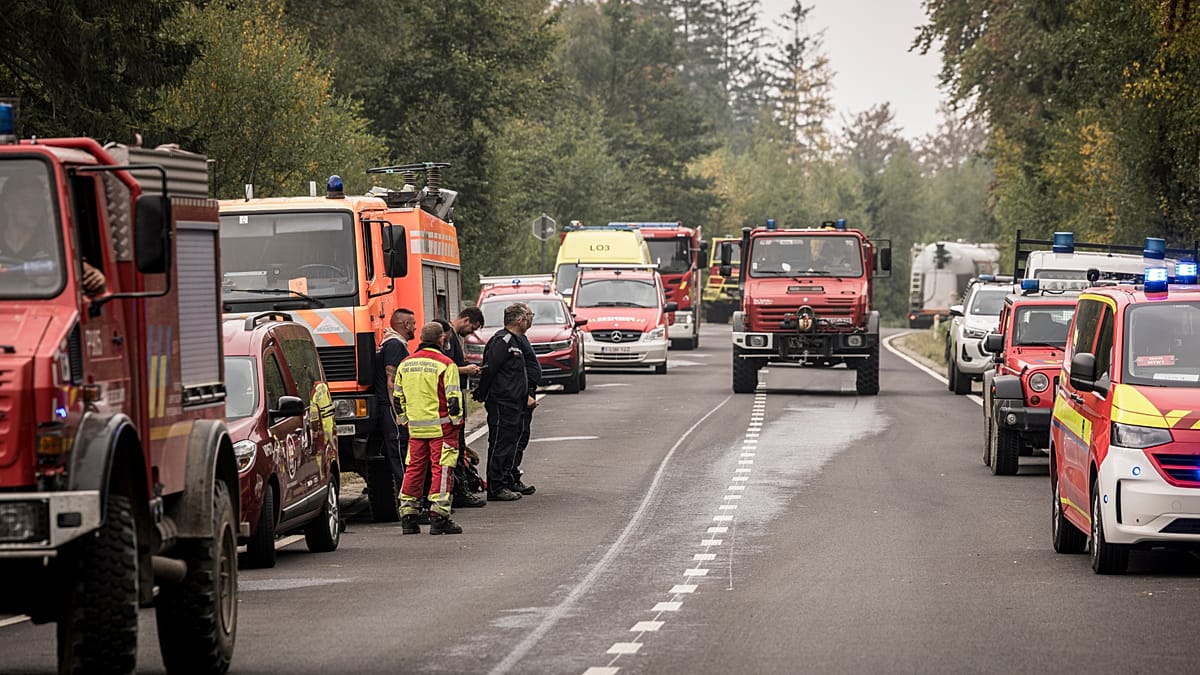
Europe itself is not immune. Experts warn that El Niño could trigger severe droughts in 2026 and 2027, with the Netherlands and other parts of Europe facing increased risks of heatwaves and wildfires. Low river flows will reduce freshwater availability, potentially leading to restrictions on agriculture and cooling water use in power stations. 'The coming El Niño is a reminder that drought is not only an environmental issue,' says Dr. Micha Werner, a professor of drought resilience at IHE Delft. 'It affects food systems, energy production, economies, ecosystems, and human wellbeing. Building resilience requires action before a crisis unfolds.'
While some meteorologists predict a temporary 0.1-0.2°C global temperature increase from El Niño, this pales in comparison to the 1.3-1.5°C rise driven by human-made climate change. Climate scientist Friederike Otto from Imperial College London emphasizes that 'El Niño is a natural phenomenon,' but its effects are amplified by a warming planet. As Europe braces for these challenges, the need for proactive resilience measures has never been more urgent.