Sea surface temperatures across the equatorial Pacific have climbed past anything recorded during previous El Niño episodes, and the event is not expected to reach its apex until late autumn or early winter. Researchers describe this year's pattern as potentially the most intense in living memory, with the added warming raising the odds that 2027 becomes the hottest year on record.
The human toll is already being modelled. Between June 2026 and February 2027, experts estimate that heat linked to El Niño could contribute to roughly 451,000 additional deaths worldwide. The same warming amplifies flood and wildfire risk across South America, the southern United States, East Africa and Central Asia, while drought conditions intensify in Australia, northern South America and parts of Indonesia.
Europe's exposure is different. El Niño's effects on the continent tend to be indirect and milder, typically showing up as a wetter, windier and warmer autumn and early winter rather than as a direct temperature shock. That is why headlines warning of a European deep freeze deserve scrutiny.
What is the stratospheric polar vortex?
Each winter, powerful westerly winds encircle the Arctic at altitudes of roughly 10 to 50 kilometres, forming the stratospheric polar vortex. This circulation traps cold air high above the pole. When the vortex weakens — something that can follow a strong El Niño — the stage is set for a Sudden Stratospheric Warming (SSW) event.
During an SSW, stratospheric temperatures can jump by as much as 50C within a matter of days. As the cold air descends from the stratosphere into the troposphere, it reshapes the jet stream. According to the UK Met Office, the disruption typically forms over the North Atlantic and Scandinavia. The result is often a prolonged spell of dry, cold weather across northern Europe, including the UK, while southern Europe tends to stay milder, wetter and windier. Along the boundary between these zones, easterly winds develop and temperatures can fall far enough for snow.
Why the deep-freeze narrative is premature
Several newspapers have linked the coming El Niño peak to a weakened polar vortex and a freezing European winter. The mechanism is real, but the outcome is not predetermined. European winter weather is shaped by many forces at once, including human-caused climate change. A 2025 study from Newcastle University found that fossil fuel burning is accelerating winter rainfall changes across the UK and Europe almost 25 years sooner than expected.
Forecasting limits matter too. Meteorologists can only reliably predict individual SSW events about a week in advance, which means any confident seasonal call made now is speculative at best.
"While there is a known teleconnection between El Niño and a colder end to the UK winter, this outcome is by no means guaranteed," Grahame Madge, a Met Office climate spokesperson, told Euronews Earth.
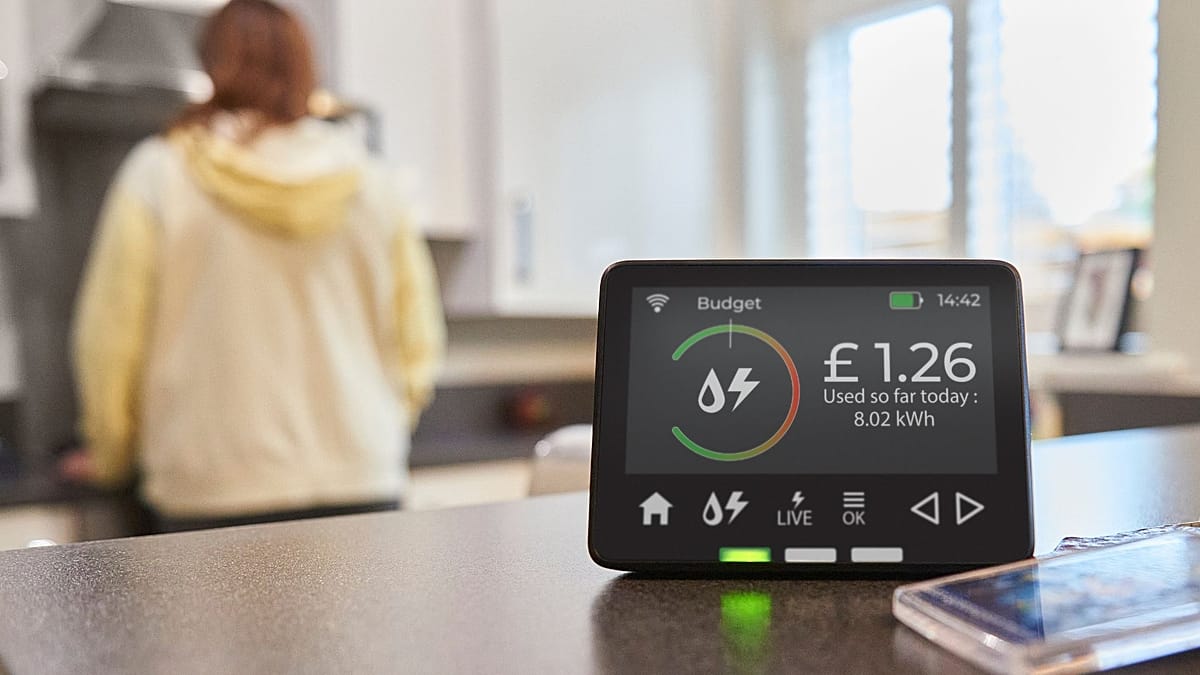
For households and policymakers, the practical takeaway is to prepare for volatility rather than a single scenario. A colder-than-average end to winter would sharpen demand for heating and electricity, a risk already flagged in assessments of Europe's gas shortfall risk. In Ukraine, where the energy system has been repeatedly struck, the stakes are even higher, as documented in reporting on Ukraine's damaged power grid.
Travel and tourism operators across the Alps and northern Europe also watch these signals closely. A cold, dry pattern would favour ski resorts from Innsbruck to Interlaken, while a mild, wet winter would reshape demand — a dynamic explored in comparisons such as Interlaken versus Innsbruck.
None of this means Europe should dismiss El Niño. It means the continent should treat the polar vortex as one variable among many, and plan for a winter that could swing sharply in either direction.