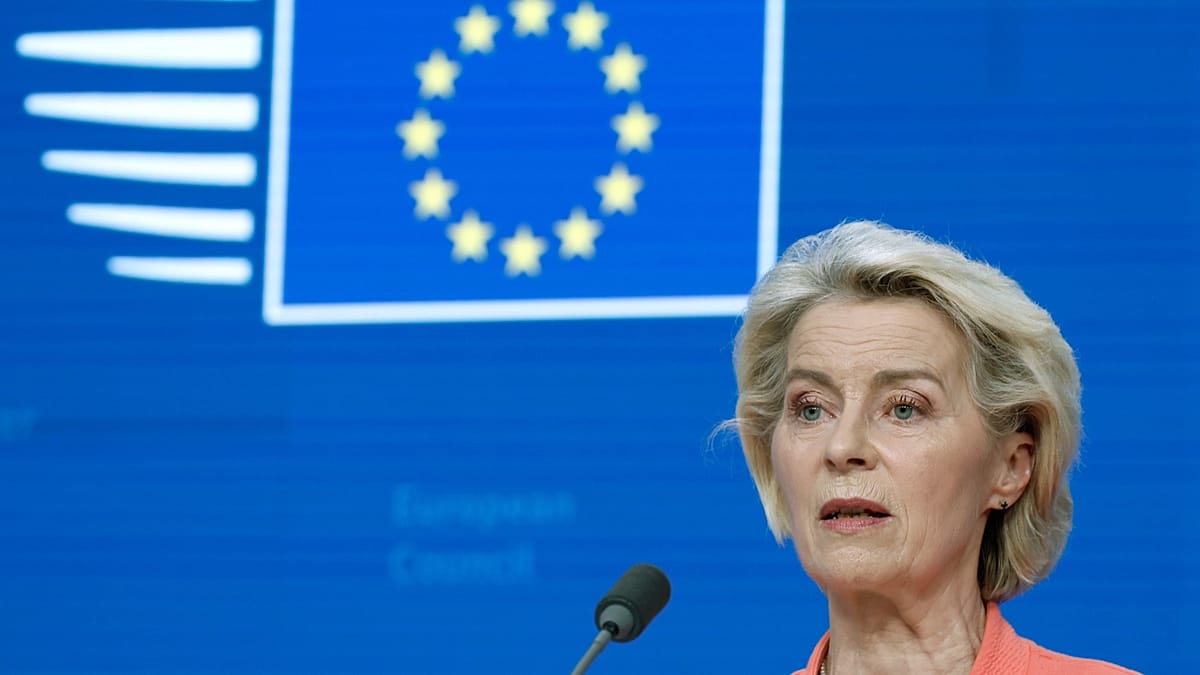
In the wake of the catastrophic earthquake that struck Colombia on Sunday, the European Union has announced an emergency aid package of €2 million to support the most affected regions. European Commission President Ursula von der Leyen confirmed the funding in a statement on Tuesday, underscoring the bloc's commitment to standing with Colombia during this crisis.
“As search and rescue operations continue, the EU is supporting Colombia wherever possible,” von der Leyen said. She added that Colombia has formally activated the EU's Civil Protection Mechanism, a framework designed to coordinate assistance from the 27 member states, pooling resources to deliver effective relief to countries in need.
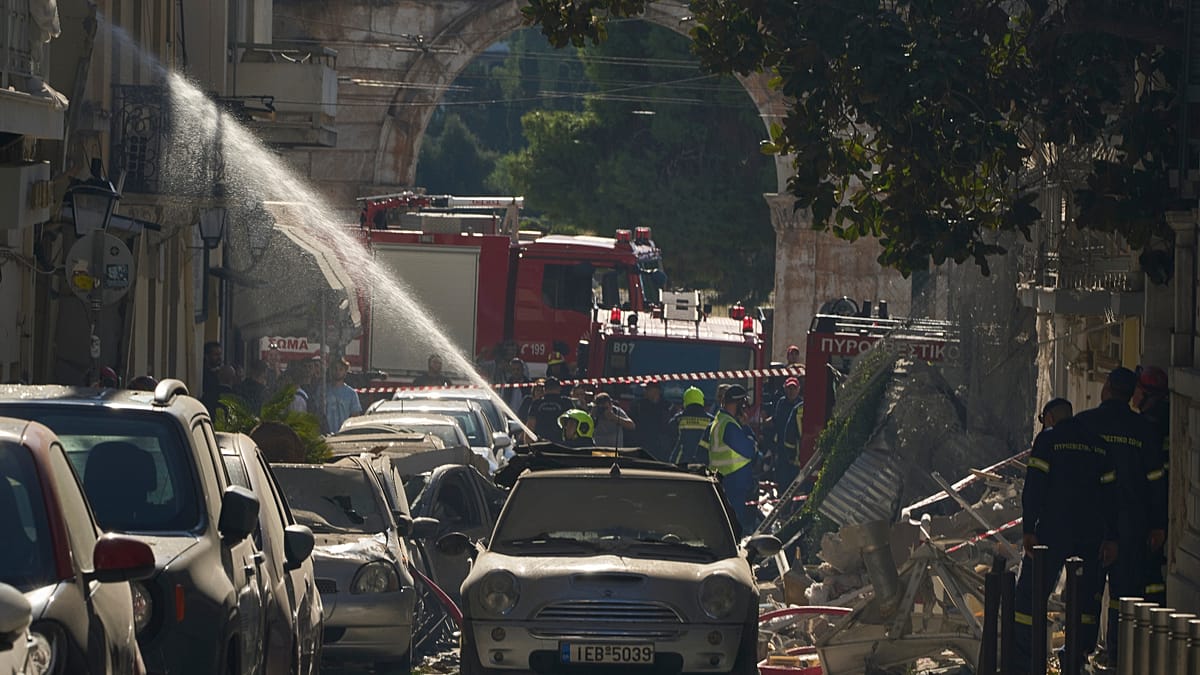
The 7.4-magnitude tremor, the most powerful in Colombia's recorded history, has claimed at least 216 lives and left hundreds injured. Cities including Cali, Pereira, Manizales, and Quibdó have suffered extensive damage, with emergency teams working around the clock to locate survivors amid the rubble.
EU mobilizes satellite technology for rescue operations
Beyond the financial commitment, the European Commission has activated the Copernicus satellite system, which provides high-resolution imagery to support disaster response. This tool allows rescue teams to assess structural damage, identify blocked roads, and prioritize areas where survivors may be trapped. The deployment of Copernicus reflects the EU's broader strategy of using its technological capabilities to enhance humanitarian aid.
The EU's response has been swift, but the scale of the disaster is immense. In Manizales, a city known for its colonial architecture and coffee heritage, the quake damaged the iconic cathedral and numerous homes, leaving thousands displaced. The devastation in Manizales is a stark reminder of the region's vulnerability to seismic activity.
In Cali, Colombia's third-largest city, rescue teams are racing against time. Cali's rescue efforts have been hampered by damaged infrastructure and the sheer volume of collapsed buildings. Local authorities have imposed curfews in Cali and Pereira to maintain order and facilitate rescue operations, as reported in earlier updates.
The EU's aid package is part of a broader international response. The bloc's support, while modest in financial terms, is strategically significant. It signals Europe's willingness to engage with Latin America on humanitarian issues, a relationship that has grown in importance in recent years. The activation of the Civil Protection Mechanism also sets a precedent for future cooperation, allowing for more efficient coordination in times of crisis.
Von der Leyen's statement emphasized the EU's long-term commitment: “We stand with Colombia in this difficult hour, and we will continue to support the country in its recovery.” The aid will be channeled through humanitarian organizations on the ground, ensuring that it reaches those most in need.
As Colombia mourns its dead and searches for survivors, the international community's response will be crucial. The EU's contribution, though part of a larger effort, demonstrates that European solidarity extends beyond the continent's borders. For the people of Cali, Pereira, Manizales, and Quibdó, this support offers a glimmer of hope amid the devastation.