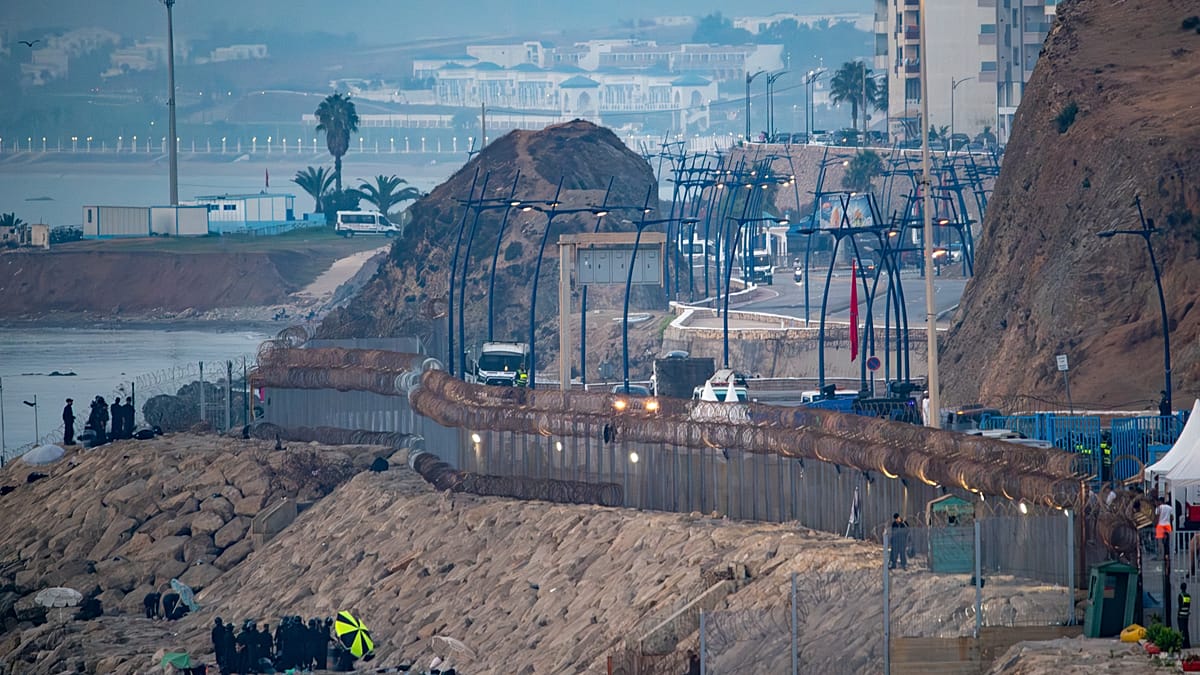
The European Union is preparing to increase financial support for Morocco's border control and migration management in the wake of the Ceuta crisis in late July, according to EU officials. The move is part of a long-anticipated strategic partnership agreement that Brussels hopes to finalize by the end of the year.
The planned deal with Rabat mirrors the one the European Commission concluded with Egypt in 2024, which included a €7.4 billion package covering economic investment, migration management, and regional stability. Negotiations with Morocco had stalled for years, partly due to the unresolved Western Sahara dispute, but gained momentum after a bilateral meeting in Brussels in January 2026.
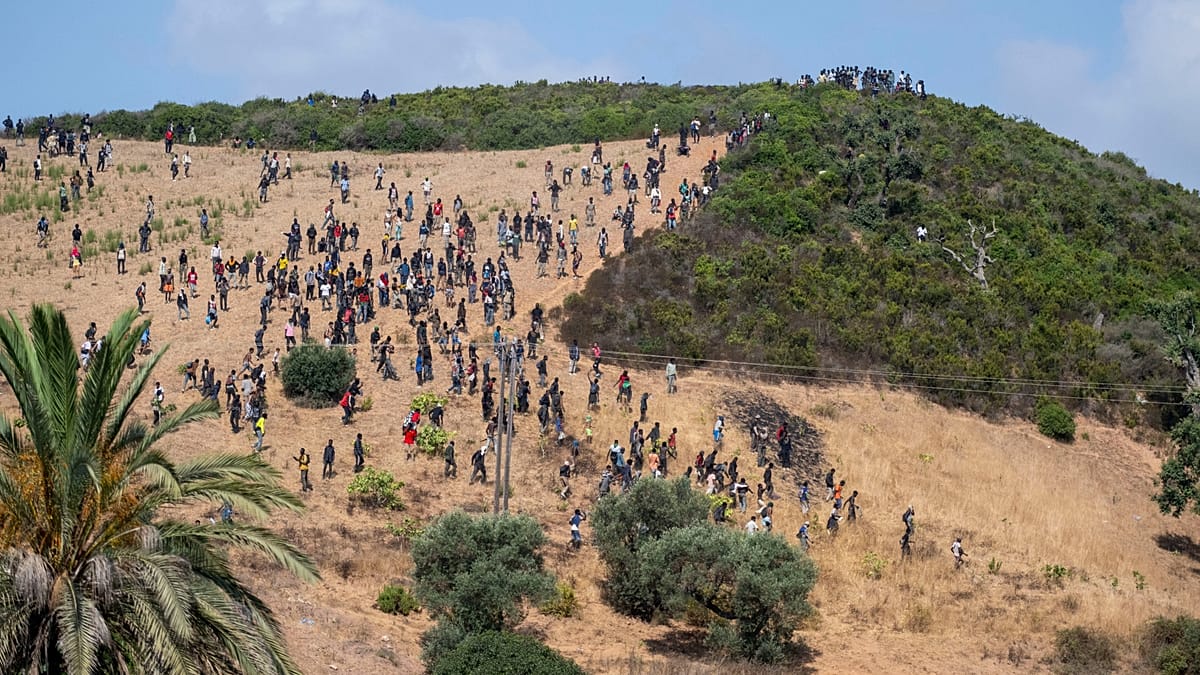
The crisis at the Spanish enclave of Ceuta—where around 72,000 people crossed the border irregularly, leading to roughly 100 deaths—has now shaped the final agreement. Brussels is set to allocate additional resources to security, migration, and border management, although officials deny that the crisis accelerated the timeline.
“Migration poses a very specific challenge when it comes to EU-Morocco bilateral relations, because there is only one terrestrial border with the European Union outside of Europe, and that's between Morocco and Spain,” said Juan Fernando López Aguilar, a Spanish MEP from the Socialists & Democrats group and former justice minister.
Some migrants interviewed by The New York Times claimed Moroccan authorities encouraged them to cross, though Morocco denies any wrongdoing. The crisis has nonetheless strengthened Rabat's negotiating position, with the EU set to enhance the migration component of the deal.
Funding and cooperation
EU support for migration management in neighboring countries typically includes training, surveillance equipment, and patrol assets for border authorities, as well as hosting capacity such as refugee camps. Morocco already benefits from such funding: between 2021 and 2024, the EU committed €222 million, and an additional €190 million is planned until 2027, a Commission spokesperson told Euronews.
Despite this support, the Ceuta crisis exposed vulnerabilities. Images of people rushing across the border sparked sharp reactions from European governments and fueled anti-migration sentiment. In early August, European Commission President Ursula von der Leyen wrote to Spanish Prime Minister Pedro Sánchez, calling for tighter checks and physical barriers to prevent a recurrence.
“We could enhance border management and early-warning systems and improve our technical and financial support to Morocco,” von der Leyen wrote, describing Morocco as an “important strategic partner.”
During an informal videoconference of EU home affairs ministers held in response to the crisis, the partnership agreement was not explicitly discussed, but ministers agreed to strengthen cooperation against irregular migration. The Commission spokesperson emphasized the EU's determination to deepen ties with Morocco and negotiate a comprehensive partnership.
The EU has been expanding such structured deals with non-EU countries, including Egypt, Jordan, Mauritania, and Tunisia. These agreements typically involve investment in digitalization, green policy, and AI in exchange for partner countries reducing migrant departures. Implementation often relies on EU member states, private companies, and UN agencies.
However, civil society groups have criticized the approach. “The real lesson from Ceuta should be why so many young people are willing to risk their lives to cross the European border,” said Sara Prestianni, advocacy director at the NGO Euromed Rights. “Analysing the events of Ceuta from this perspective should lead the EU to focus mainly on addressing the socio-economic and political drivers of migration, rather than opting for a more securitised approach.”
The EU already has deep ties with Morocco, including partnerships on green policy and trade. The upcoming agreement is expected to build on these foundations, though details remain under negotiation. The debate over migration policy continues to divide European capitals, as seen in recent clashes among socialists. Meanwhile, Spain's handling of migrant minors from Ceuta has also drawn attention. The EU's backing for returning minors to Morocco remains contentious.