Governments across Europe are accelerating efforts to restrict social media access for minors, with a growing number of member states pushing for a unified EU-wide age limit. France has already enacted a ban on under-15s, Denmark has reached a political agreement, and Spain is debating a stricter under-16 threshold. Greece, which plans to enforce its own ban from 2027, is now urging Brussels to adopt a coordinated approach.
Brussels Responds with a Technical Solution
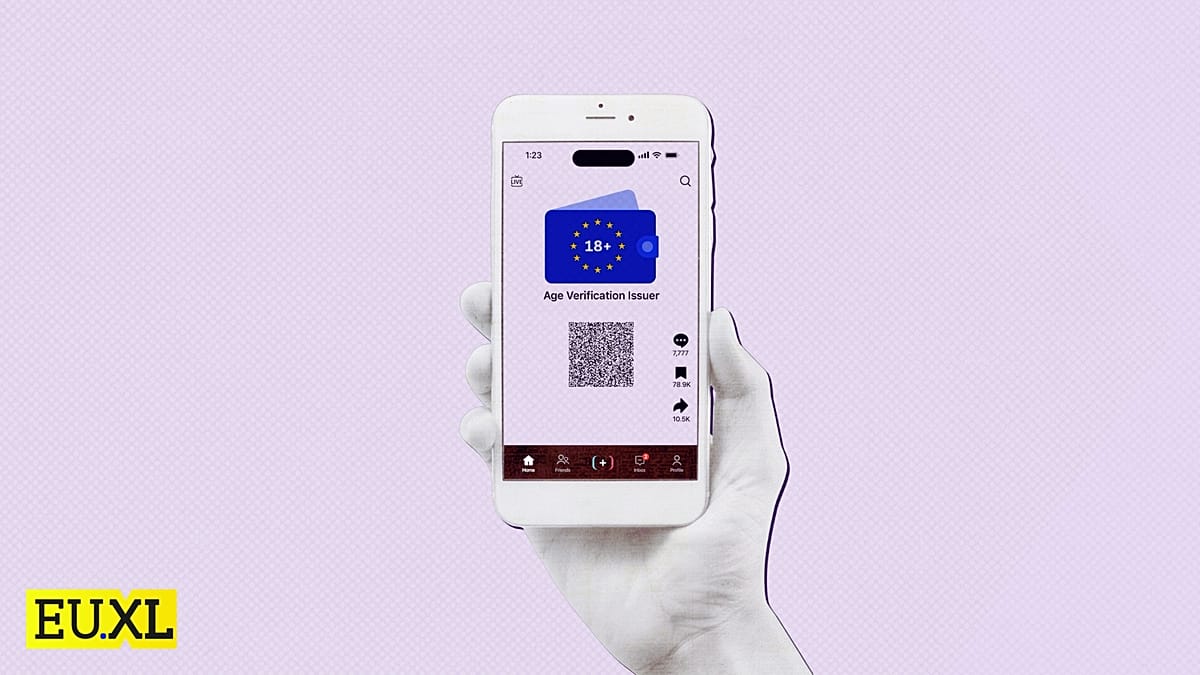
On April 15th, European Commission President Ursula von der Leyen told social media platforms that there were "no more excuses" for failing to protect children online. She announced that the EU's own age-verification application is technically ready for deployment. The app requires users to verify their age using official documents or digital IDs, then issues a confirmation via zero-knowledge proofs—a method that proves age without revealing personal data. The code is open source, designed to integrate with national digital wallets, and is ready for platforms including TikTok, Instagram, Facebook, and Snapchat.
All four platforms are already under EU investigation for inadequate protection of minors. The Commission's child safety panel is expected to deliver its verdict this summer.
The push for a continent-wide ban reflects growing frustration among member states with the pace of EU-level action. National governments are increasingly taking matters into their own hands, creating a patchwork of regulations that the Commission now hopes to harmonise. The age verification app is seen as a key enabler, providing a standardised tool that could be adopted across the bloc.
Critics, however, have raised concerns about privacy and implementation. The use of zero-knowledge proofs is designed to address data protection fears, but questions remain about how the system will handle edge cases, such as children without official IDs or those using shared devices. The Commission has also faced criticism over delays in rolling out the app, as noted in a recent analysis of the EU Age Verification App Launches Amid Criticism Over Delays and Scope.
The debate over social media age limits is part of a broader discussion about digital sovereignty and child safety in Europe. Some member states, like Hungary, have taken a more cautious approach, warning against hasty measures that could undermine national vetoes—a stance echoed in recent debates about Michel Urges EU Caution on Ending Unanimity. Others, such as Estonia, have championed digital innovation as a solution, arguing that technology can balance safety with privacy.
The Commission's announcement comes amid a wider push to regulate big tech. The Digital Services Act already imposes obligations on platforms to protect minors, but enforcement has been uneven. The age verification app is intended to provide a concrete tool for compliance, though its success will depend on adoption by both platforms and users.
For now, the momentum is clearly with those advocating for stricter controls. With France, Denmark, Spain, and Greece leading the charge, and the Commission providing the technical infrastructure, a continent-wide under-15 social media ban looks increasingly likely. The coming months will test whether Brussels can turn national pressure into a coherent EU policy.