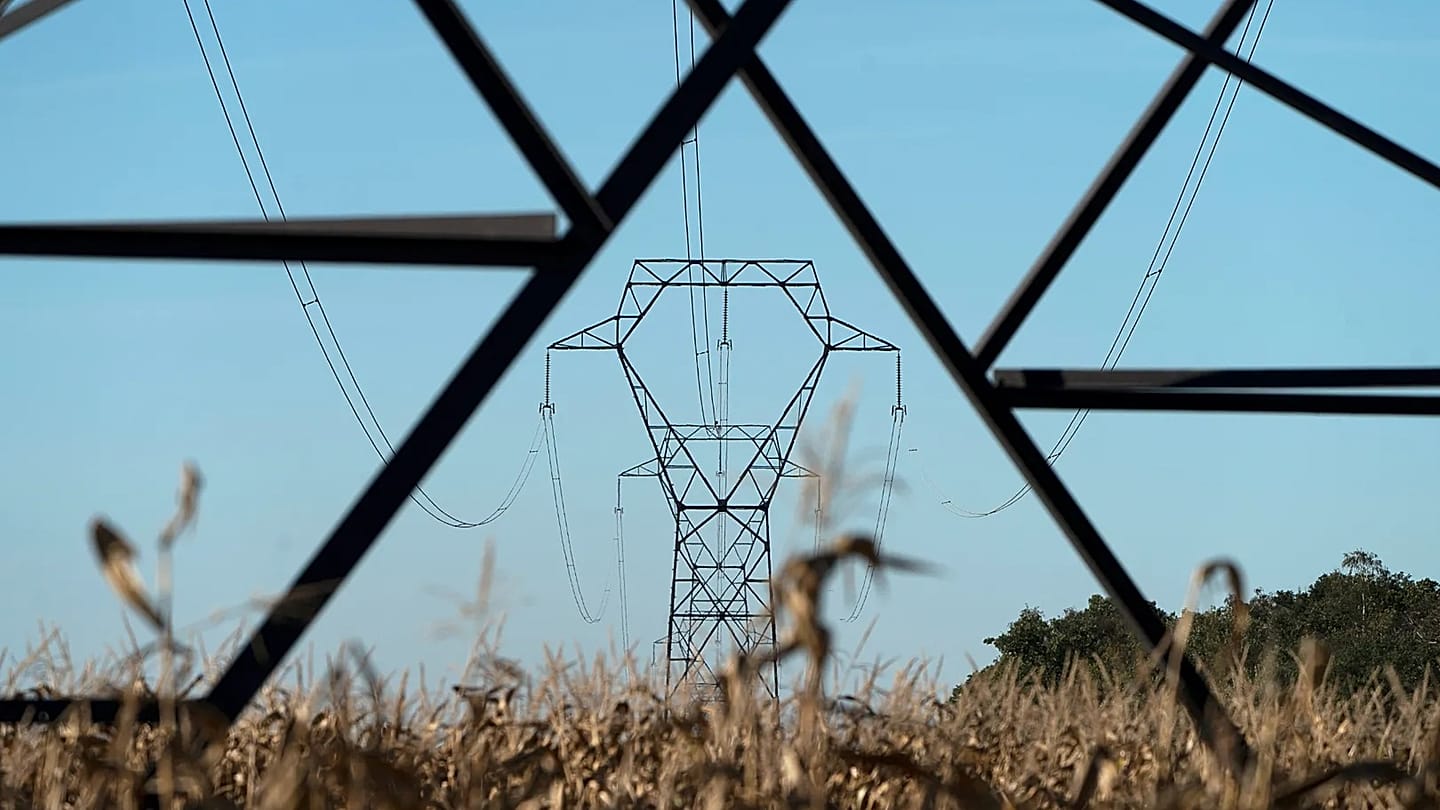
Energy ministers from the European Union's twenty-seven member states have secured a more prominent role in shaping the bloc's future power grid, after a series of disputes with the European Commission over who should steer the continent's electricity infrastructure. The agreement, reached under the Cypriot Presidency of the Council of the EU, opens the door for formal negotiations between the European Parliament and the Council on the final shape of the legislation.
Grid Governance: A Shift in Power
The core of the conflict revolved around the governance of the future grid. Brussels had pushed for a more centralised model, with the European Commission and the Agency for the Cooperation of Energy Regulators (ACER) holding significant sway over cross-border infrastructure projects. Several member states, led by France and Germany, pushed back, arguing that national governments and their transmission system operators (TSOs) are better placed to understand local energy needs and grid constraints.
The compromise text, endorsed by the Energy Council in Luxembourg, gives national capitals a stronger hand in the planning and approval of key interconnectors and grid upgrades. Ministers will now have a formal role in setting the strategic priorities for the network, a move that some diplomats say restores a necessary balance between EU-level coordination and national sovereignty.
“This is not about blocking progress,” said one EU diplomat involved in the talks. “It is about ensuring that the grid we build actually works for the people and businesses it is meant to serve. A one-size-fits-all approach from Brussels would have ignored the very different energy mixes and geographic realities from Lisbon to Tallinn.”
Why the Grid Matters Now More Than Ever
The debate over grid governance comes at a critical moment for Europe's energy transition. The EU has committed to generating 45% of its energy from renewable sources by 2030, a target that requires massive investment in new transmission lines to connect wind farms in the North Sea, solar parks in southern Spain, and hydropower in the Alps. Without a modern, flexible grid, much of that renewable electricity would be wasted or stranded.
The issue has been further complicated by recent geopolitical shocks. The war in Ukraine and the subsequent energy crisis exposed the risks of relying on a single supplier, prompting a rush to diversify sources. At the same time, eleven EU states have sought a delay on methane rules, citing energy security concerns—a sign of the tensions between decarbonisation and short-term supply stability.
Environmental groups have criticised the EU's approach as inconsistent. Greenpeace has slammed the bloc's 'deep incoherence' on energy, pointing to continued investments in fossil fuel infrastructure even as Brussels champions green goals. The grid governance deal, they argue, must be matched by clear commitments to phase out coal and gas.
Next Steps: Parliament and Council Negotiations
With the Council's position now agreed, the next phase will involve negotiations with the European Parliament, which has its own set of amendments. MEPs have generally favoured a stronger role for ACER and the Commission, arguing that national governments are too often swayed by short-term political pressures or the interests of incumbent energy companies.
The Cypriot Presidency, which holds the rotating chair of the Council until the end of June, has signalled its intention to move quickly. “We have a solid basis for talks,” said a spokesperson for the Cypriot energy ministry. “The goal is to have a final text before the end of the year, so that investment decisions are not delayed.”
Industry groups have welcomed the clarity. WindEurope, the trade association for the wind energy sector, said the agreement sends a positive signal to investors. “Grid infrastructure is the backbone of the energy transition,” said a spokesperson. “Developers need to know where the lines will go and who decides. This deal provides that certainty.”
Broader Context: Europe's Energy Autonomy
The grid governance debate is part of a wider push by the EU to assert its technological and energy autonomy. In recent months, Brussels has imposed stricter rules on US cloud giants to boost European tech sovereignty, and has signed €10 billion in deals with Kazakhstan to secure critical raw materials for the green transition.
The energy ministers' agreement on grid governance is a reminder that, for all the talk of a federal Europe, the member states remain the primary drivers of energy policy. The challenge now is to turn that political consensus into a grid that can deliver clean, affordable power to every corner of the continent.