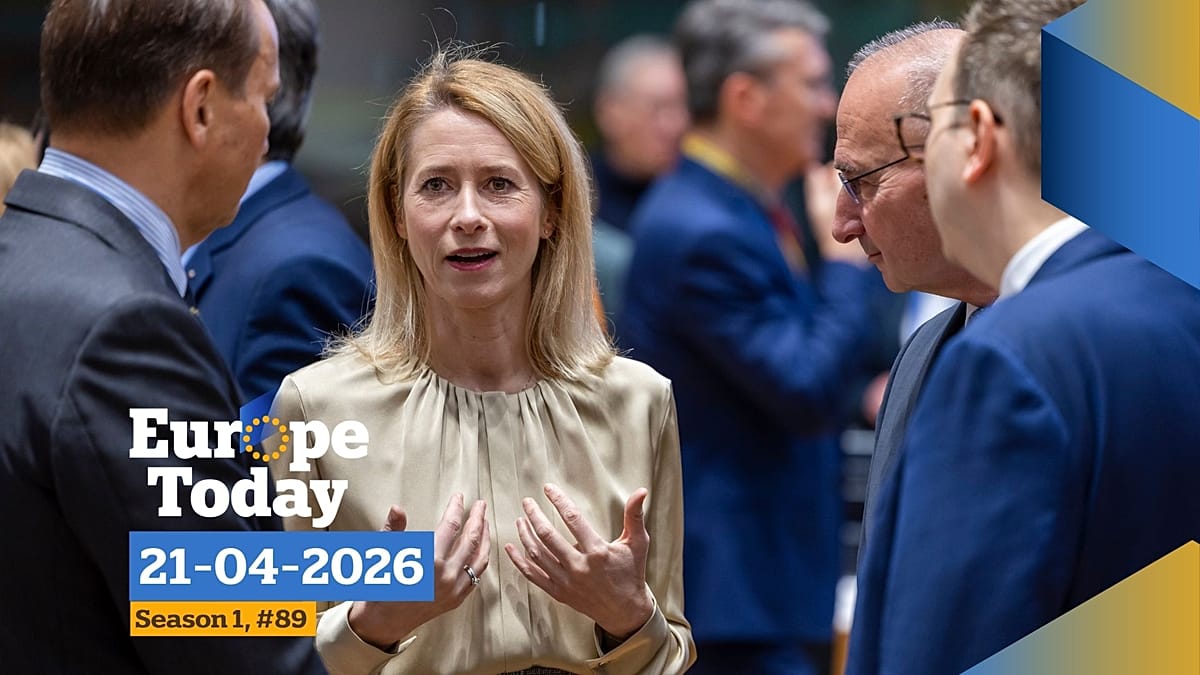
EU foreign ministers are convening in Luxembourg today for a pivotal meeting that will tackle two of the bloc's most pressing foreign policy challenges: unlocking a €90 billion loan for Ukraine and reassessing ties with Israel. The gathering, chaired by the EU's High Representative for Foreign Affairs, comes amid heightened geopolitical tensions and internal divisions among member states.
Ukraine Loan Tied to Druzhba Pipeline
At the heart of the discussions is a stalled €90 billion loan package for Ukraine, which has been blocked for three months by Hungary. Prime Minister Viktor Orbán has linked his veto to the resumption of oil flows through the Druzhba pipeline, which supplies Hungarian refineries via Ukraine. According to Euronews' Shona Murray, Orbán has indicated he will lift the veto once oil begins flowing again. The pipeline, a key energy artery for Central Europe, was halted due to maintenance issues and geopolitical disputes, but recent reports suggest a restart is imminent.
This development follows a Druzhba Pipeline Restart Unblocks EU Loan for Ukraine After Three-Month Halt, which could pave the way for the loan's approval. The funds are critical for Ukraine's war effort and economic stability, as Kyiv continues to resist Russian aggression. Ukrainian President Volodymyr Zelenskyy has repeatedly called for full integration into the EU, rejecting symbolic gestures in favor of concrete support.
EU-Israel Relations Under Scrutiny
The ministers will also debate the EU's relationship with Israel, a topic that has exposed deep rifts within the bloc. The EU-Israel Association Agreement, which governs trade and political cooperation, is under review as some member states push for a tougher stance on Israel's actions in Gaza and the West Bank. Spain's Prime Minister Pedro Sánchez has been vocal, warning that the EU's inaction on Israel undermines its credibility on Ukraine. In a recent statement, Sánchez argued that the bloc cannot apply double standards, a sentiment echoed by other southern European nations.
Slovenia has taken a symbolic step by joining a boycott of Eurovision over Israel's participation, while also screening Palestinian films to highlight the humanitarian crisis. Meanwhile, Israel's Defence Minister has stated that the country awaits US approval for major strikes on Iran, adding a layer of complexity to the EU's diplomatic efforts. Euronews correspondent Jane Witherspoon, reporting live from Dubai, notes that the Iran war remains a key concern for European security, with potential spillover effects on energy markets and migration.
Norway's Role and Broader European Perspectives
Norway's Foreign Minister, Espen Barth Eide, is expected to participate in the discussions, reflecting the wider European dimension beyond the EU's 27 member states. Norway, though not an EU member, is a key partner in security and energy matters, particularly given its role as a major gas supplier to the continent. Eide's presence underscores the importance of including non-EU countries like the UK, Switzerland, and the Balkans in shaping European foreign policy.
The meeting also comes on the heels of a EU leaders' summit in Cyprus, which addressed the Ukraine crisis, the Hormuz Strait tensions, and the mutual defence clause. These interconnected issues highlight the need for a cohesive European strategy, as the bloc faces multiple crises simultaneously.
Internal Divisions and the Path Forward
The Luxembourg meeting is likely to expose the ongoing tensions between member states. While countries like Poland and the Baltic states advocate for robust support for Ukraine and a firm line on Israel, others, including Hungary and Austria, have been more cautious. The EU's ability to act decisively will depend on finding common ground, a challenge that has become increasingly difficult in a polarized political landscape.
As the ministers deliberate, the world watches to see whether Europe can translate its rhetorical commitments into concrete action. The outcomes of today's discussions will have far-reaching implications for the continent's credibility on the global stage, from Kyiv to Tel Aviv and beyond.



