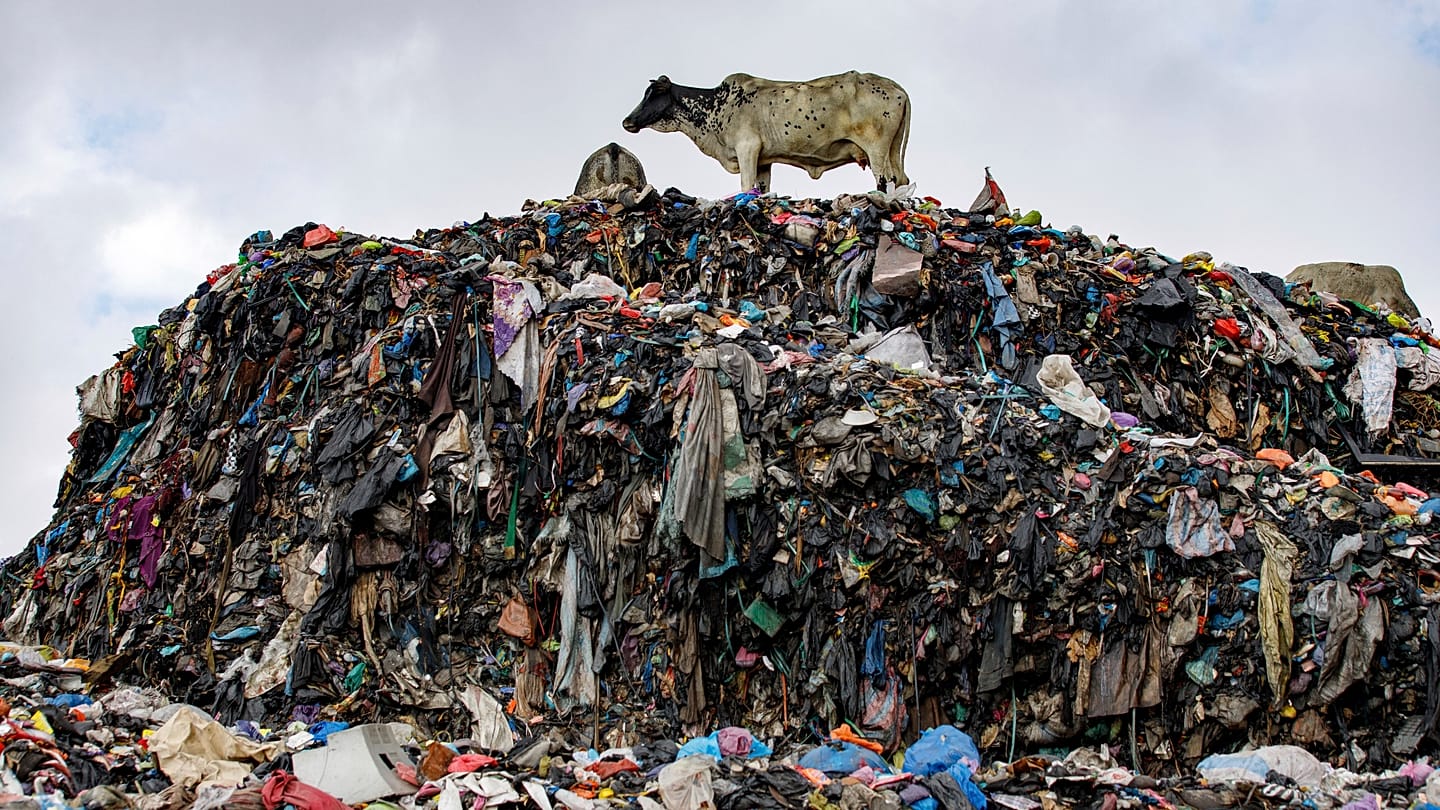
European Union investigators have intercepted 4,200 tonnes of textile waste that was illegally exported from Italy to Turkey, in a major operation targeting the illicit trade of discarded clothing. The seizure, announced by the European Anti-Fraud Office (OLAF), highlights persistent challenges in enforcing waste shipment regulations across the bloc.
The operation, conducted in coordination with Italian and Turkish authorities, uncovered the waste at ports and warehouses in both countries. Inspectors discovered an additional 2,100 tonnes of textile waste stored in a warehouse linked to a Turkish recycling facility that was found to be noncompliant with environmental laws. The facility, located near Istanbul, had been receiving shipments of used clothing and fabric scraps from Italy under the guise of recycling, but investigators determined that much of the material was being disposed of improperly or resold illegally.
EU Waste Shipment Rules Under Scrutiny
The case underscores the difficulties the European Union faces in policing the cross-border movement of waste, particularly textiles. Under EU law, shipments of waste to non-OECD countries like Turkey are subject to strict notification and consent procedures. Exporters must demonstrate that the receiving facility can handle the waste in an environmentally sound manner. However, enforcement remains uneven, and illegal shipments often slip through.
Turkey has become a major destination for Europe's textile waste, receiving hundreds of thousands of tonnes annually. While some of this material is legitimately recycled or reused, a significant portion ends up in landfills or is burned, causing pollution and health risks. The OLAF investigation revealed that the Turkish facility involved in the seizure lacked the necessary permits and infrastructure to process the waste safely.
“This operation sends a clear message that the EU will not tolerate the illegal export of waste to third countries,” said an OLAF spokesperson. “We are committed to protecting the environment and ensuring that waste shipments comply with EU regulations.”
The seizure comes as France pushes for tougher EU-wide measures against ultra-fast fashion, a business model that relies on cheap, disposable clothing and generates vast amounts of textile waste. French officials have called for stricter labeling requirements, extended producer responsibility schemes, and higher fees for companies that fail to meet sustainability standards. Paris is expected to raise the issue at the next meeting of EU environment ministers, scheduled for later this month.
“Ultra-fast fashion is a scourge on our environment and our societies,” said a French government official. “We need to act at the European level to curb this trend and promote a circular economy for textiles.”
The European Commission is already working on a revision of the EU Waste Framework Directive, which could include new rules for textile waste. The Commission has also launched a public consultation on the issue, seeking input from industry, environmental groups, and member states. The goal is to reduce the environmental footprint of the textile sector, which is one of the most polluting industries globally.
Italy, meanwhile, is grappling with its own role in the textile waste trade. The country is a major exporter of used clothing and fabric scraps, much of which ends up in Turkey, North Africa, and Asia. Italian authorities have stepped up inspections at ports and warehouses, but the scale of the problem remains daunting. Environmental groups estimate that up to 30 percent of textile waste exported from Italy is illegal.
The OLAF seizure is part of a broader crackdown on waste trafficking across the EU. In recent months, investigators have intercepted shipments of electronic waste, plastics, and hazardous materials destined for illegal disposal in developing countries. The European Union has allocated additional resources to OLAF and national enforcement agencies to combat the trade, which is estimated to be worth billions of euros annually.
For Turkey, the influx of textile waste poses a growing environmental challenge. The country has limited capacity to recycle or safely dispose of the material, leading to widespread pollution in areas near recycling facilities. Local communities have complained about air and water contamination, as well as health problems linked to the burning of textile waste. Turkish authorities have pledged to crack down on illegal imports, but enforcement remains weak.
The seizure of 4,200 tonnes of textile waste is a significant victory for EU investigators, but it also highlights the need for more systemic solutions. As France pushes for tougher rules on ultra-fast fashion, the bloc must also address the root causes of textile waste: overconsumption, poor design, and a lack of recycling infrastructure. Without such measures, the illegal trade in textile waste is likely to continue, with devastating consequences for the environment and public health.