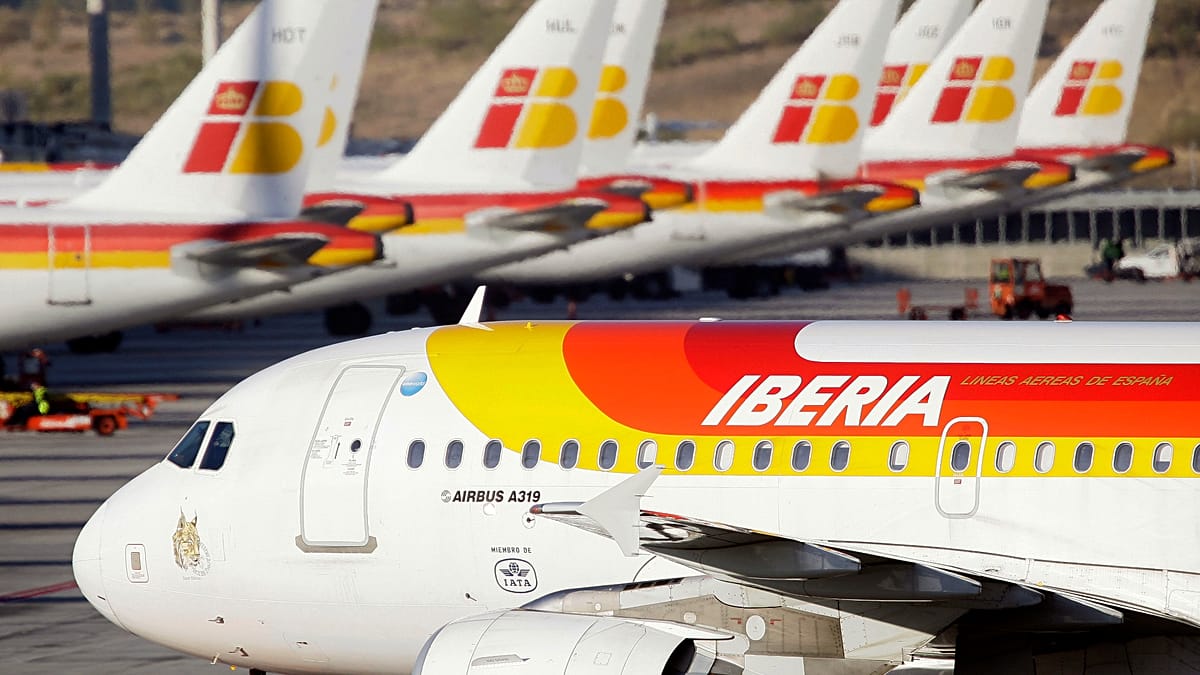
European transport ministers are actively pursuing alternative jet fuel supplies, including increased imports from the United States, as disruptions in the Middle East and production cuts in oil-rich nations tighten global markets. The move comes amid warnings from the International Energy Agency (IEA) and several European airlines about potential shortages that could lead to flight cancellations.
EU Transport Commissioner Apostolos Tzitzikostas told reporters on Tuesday that there are currently no indications of widespread jet fuel shortages, but stressed the importance of acting quickly and appropriately. “We need to be ready,” he said, noting that the use of emergency stocks is under consideration “if real supply issues arise.”
Strait of Hormuz Disruption Hits European Refineries
EU refineries produce roughly 70% of the bloc's jet fuel, with the remainder typically imported from the Middle East. However, the effective closure of the Strait of Hormuz—a critical shipping lane handling about 20% of global oil and natural gas transit—following US and Israeli strikes against Iran on 28 February has severely disrupted fuel exports to Europe. This has prompted EU member states to take coordinated action to ensure continuity of supply.
Germany has convened a national security council to discuss potential shortages, while Spain has expressed support for a potential EU jet fuel sharing agreement. According to global trade intelligence firm Kpler, new inflows from the United States and Nigeria are expected to arrive in Europe in the coming weeks.
Cyprus' Minister of Transport Alexis Vafeades, whose country holds the rotating EU Council Presidency, told reporters on the sidelines of an emergency meeting of Europe's transport ministers that the current situation is “not dangerous,” but leaders are considering acting swiftly. “Any national release of [jet] fuel must be done in full transparency to avoid market distortions,” Vafeades urged, warning against hoarding that could cause price spikes.
Commissioner Tzitzikostas downplayed fears of imminent flight cancellations, stating that “there is no indication as of today” that such disruptions will occur in the weeks or months ahead. He attributed recent cancellations to airlines' own lack of profitability rather than fuel shortages.
Broader Fuel Concerns and Demand Management
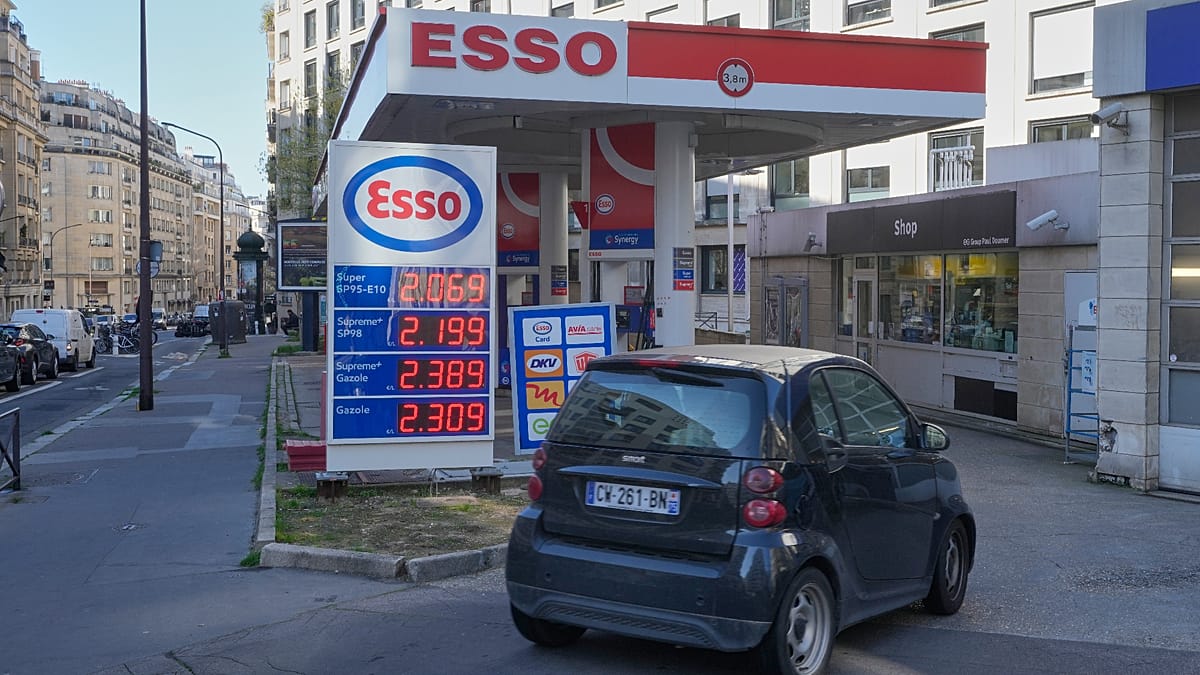
Beyond aviation, ministers also addressed measures to avoid queues at fuel stations and “neutralise” demand by encouraging public transport, electric bikes, and vehicles. “We need to be ready to avoid queues at the gas stations if this ever happens, but we also need to permanently do away with the possibility of queues at the gas station,” Vafeades added.
The discussions also touched on growing concerns over possible diesel shortages due to the war in the Middle East, a call previously made by Energy Commissioner Dan Jørgensen, who urged Europeans to cut oil and gas demand and for countries to remain united. Kpler energy analyst George Shaw described diesel and petrol exposure as “real but manageable,” noting that “even under reduced Gulf flows, the combination of domestic refining, transatlantic arbitrage, and a structurally diverse import slate will keep diesel supplied.”
The European Commission is set to present a set of measures on Wednesday to protect people and businesses from soaring energy prices, including boosting the production of sustainable aviation fuels to offset shortages from the Middle East. This aligns with broader EU efforts to diversify energy sources, such as the US and Azerbaijan Launch TRIPP Corridor Talks aimed at enhancing Europe's energy security.
Vafeades stressed that a scenario of fuel shortages is only a “possibility” under consideration, as it could affect economic connectivity and disrupt people's lives. “We need to be aware. We need to be ready. That's the point here,” he concluded.