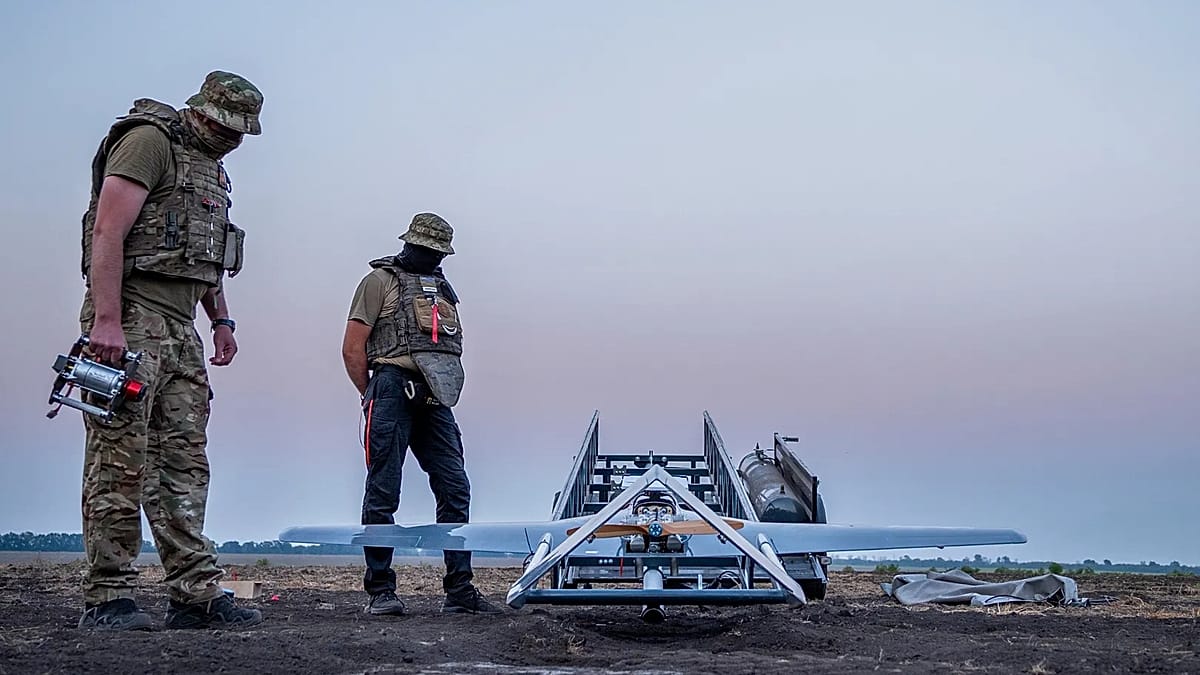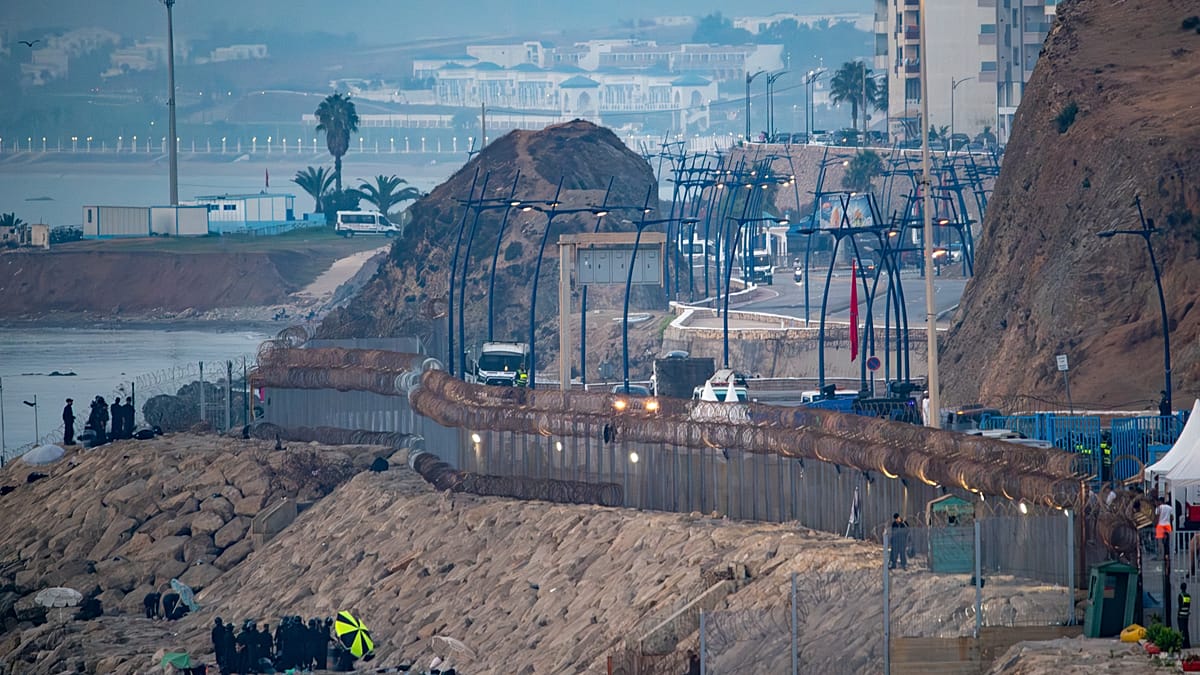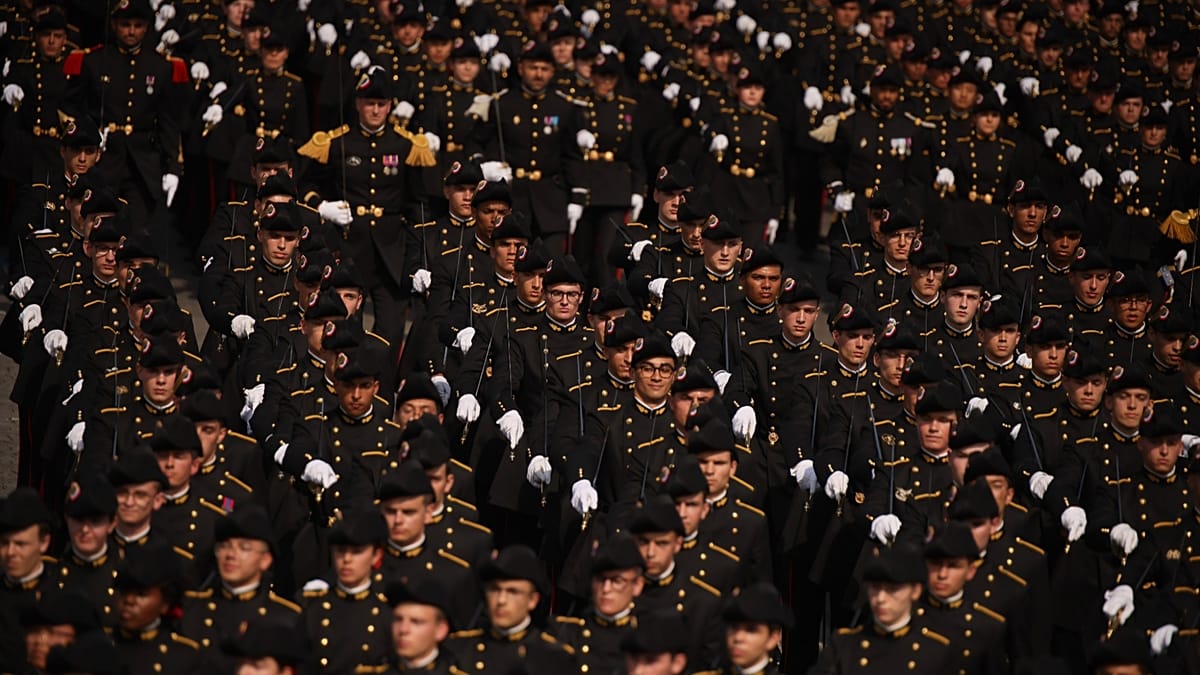
Brussels has pledged hundreds of billions of euros to rearm Europe, but a less visible crisis threatens to undermine the entire project: a shortage of soldiers. As the EU and NATO push to bolster their forces, military associations and defence experts warn that recruitment and retention problems could leave new equipment without enough people to operate it.
“At the end of the day we need to have enough people to deal with these investments,” said Emmanuel Jacob, president of the European Organisation of Military Associations and Trade Unions (EUROMIL), which represents military personnel across the continent.
The urgency was underscored in February by Andrius Kubilius, the European Commissioner for Defence. Speaking in Vilnius, he painted a stark scenario: by 2030, intelligence services believe Russia could be ready to test NATO. If 100,000 Russian soldiers massed on the EU's border, Europe would need to move a similar number of troops and equipment quickly. “To match a 100,000-army build up, we would need to move similar numbers of soldiers and equipment, and fast,” he said.
Yet even before the European Commission unveiled its €800 billion rearmament plan, the European Parliament had already flagged the manpower problem. In 2024, it adopted a report warning that “European armed forces face severe recruitment and retention problems.” MEPs called on then-foreign policy chief Josep Borrell to investigate. A Commission official told Euronews that recruitment and retention remain the responsibility of individual member states.
What the data shows
EUROMIL surveyed military associations from 11 countries, including Belgium, Bulgaria, France, Germany, Hungary, Ireland, Italy, Malta, the Netherlands, Portugal, Spain, and Sweden. Most respondents described recruitment as “problematic” and retention as either “problematic” or “critical.”
The survey found that personnel typically leave after about ten years of service. The main barriers to joining are competition from the private sector, salaries, and physical fitness requirements. Once in uniform, low pay, poor work-life balance, and difficult working conditions drive people out. EUROMIL recommends higher salaries and pensions, better work-life balance, and limits on working hours.
Steven Everts, director of the EU Institute for Security Studies (EUISS), said the issue is complex. “This is a challenge that people are grappling with,” he told Euronews. He echoed concerns about pay and conditions but also highlighted a deeper problem: how to expand the pool of reservists.
Reservists bring specialist skills—cyber experts, logistics specialists, medical professionals—that armies increasingly need. But Everts argues that Europe's rearmament drive has not been matched by the organisational reforms needed to make such a system work. “If you work for an IT company, and your boss tells you, ‘Listen, you work for me, mate’, what is in your boss's interest to make you available on call for the national armed forces?” he asked. “It’s difficult to do the rearmament that we talk about so much in organisational terms as well.”
A NATO-wide challenge
The problem extends beyond the EU. Spyridon Kyriakis, a member of the NATO Parliamentary Assembly's Defence and Security Committee, is examining the Alliance's “growing challenges” in recruitment and retention. His report, due in late November, is expected to identify the structural and societal drivers of the shortage.
A committee brief warns that “the inability to expand Allies’ armed forces to fulfil NATO’s new force requirements poses a direct risk to NATO readiness, credibility, and long-term force sustainability.”
Defence expert Chris Kremidas-Courtney wrote in 2025 that NATO officials have admitted current force models are “insufficient” for a high-intensity war. She argues that attracting and retaining troops will require not only organisational reforms but also a broader cultural shift. “If serving in the armed forces is looked down upon within a society, few will want to stay and even fewer will want to join in the first place,” she wrote.
Germany offers a cautionary tale. When Chancellor Friedrich Merz pledged to build the Bundeswehr into Europe's strongest conventional army, the announcement was met with unease. Legal changes reintroducing compulsory military registration prompted protests, particularly among young adults. The challenge is not just financial—it is societal. As Everts put it, “The future of European security will depend on whether its societies can rebuild the social contract around national defence.”
For now, the EU's rearmament plans risk being hollowed out by a lack of people. The race to find 100,000 soldiers is not just about money; it is about making military service an attractive and respected career choice again. Switzerland's recent defence spending boost shows that even wealthy, neutral states are feeling the pressure. And as Ukraine's leadership vacuum demonstrates, the consequences of unpreparedness are real. The question is whether Europe can close the gap before it is too late.