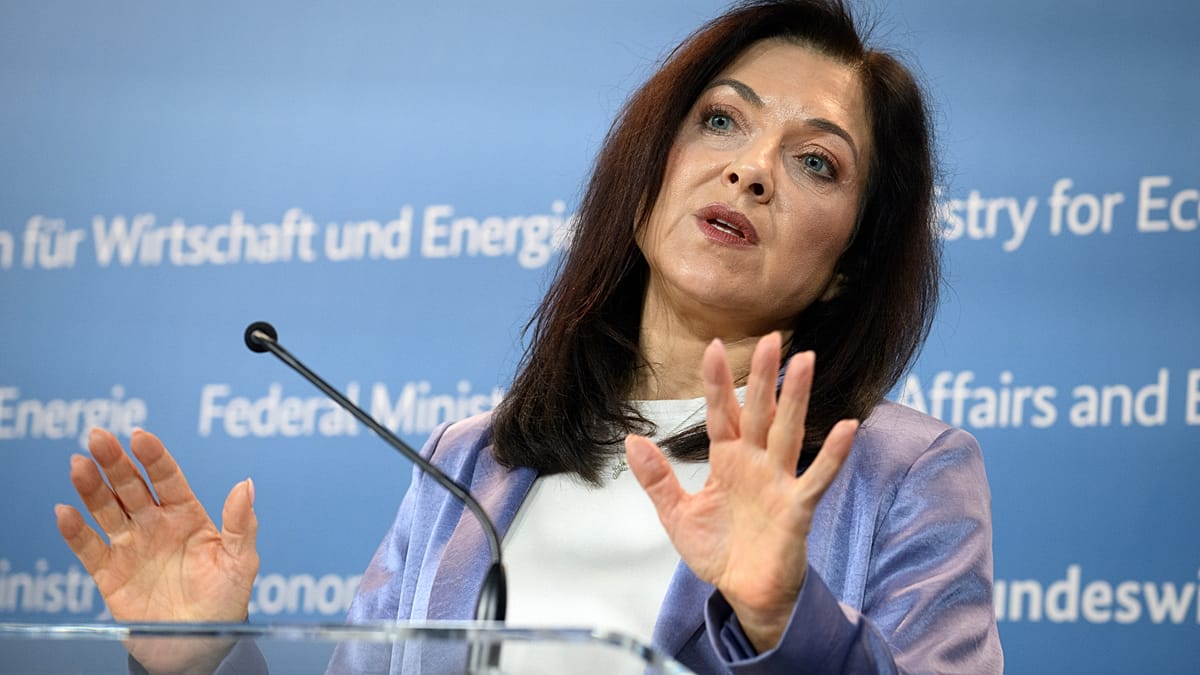
On Wednesday, German Economic Affairs and Energy Minister Katherina Reiche announced a sharp reduction in the country's 2026 growth target, lowering it to 0.5% from the 1% projected in January. The revision, attributed to the fallout from the Iran war, underscores the fragility of Europe's largest economy amid soaring energy costs and supply chain disruptions.
The German government also downgraded its 2027 forecast to 0.9%, down from a previous estimate of 1.3%. Officials in Berlin described the adjustment as unavoidable, pointing to the conflict in Iran as the primary driver of a continent-wide energy shock that has hit Germany's industrial sector particularly hard.
Energy Shock and Industrial Strain
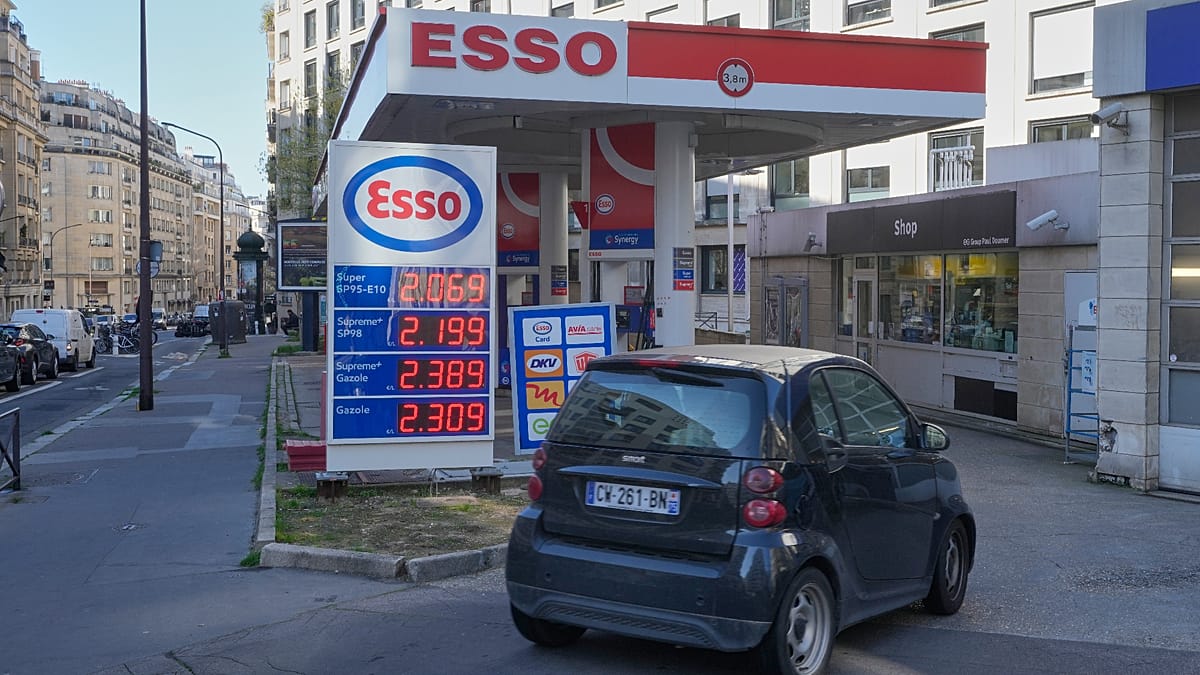
Germany, a major industrial hub, is acutely sensitive to fluctuations in oil and natural gas prices, both of which have surged since hostilities began. Government reports note that the Iran war has disrupted supply chains and raised raw material costs, eroding the competitiveness of German exporters. The uncertainty has also prompted a cautious approach among private investors, with many firms shelving expansion plans amid fears of further market volatility.
This combination of reduced investment and higher household energy bills—which dampen domestic consumption—has created a pincer movement on the economy. The situation has revived debates about Germany's structural challenges, as explored in a recent Bundestag vs. European Parliament debate on whether the country is once again the sick man of Europe.
Italy Follows Suit with Fiscal Adjustments
Germany is not alone in recalibrating its expectations. On Wednesday, the Italian government trimmed its 2026 GDP growth estimate to 0.6%, down from 0.7%. Italian Economy Minister Giancarlo Giorgetti stated that the Iran war weighs heavily on fiscal planning, particularly given Italy's vulnerability to energy price swings. “We're not faced by normal circumstances but totally exceptional ones,” Giorgetti said, adding that “unfortunately in coming weeks the numbers will probably need to be reviewed, adjusted and updated.”
Giorgetti also revised Italy's budget deficit forecast for this year to 2.9% of GDP, up from 2.8%, with a projected decline to 2.8% in 2027—compared to an earlier goal of 2.6%. Earlier on Wednesday, Italy's national statistics bureau confirmed a 2025 budget deficit of 3.1% of GDP, dashing Rome's hopes of exiting an EU disciplinary procedure for excessive deficit this year.
The synchronous downgrades in Berlin and Rome point to a broader systemic weakness across the Eurozone. As energy-intensive industries struggle to adapt to the new geopolitical reality, the prospect of a swift economic rebound appears increasingly distant. The situation echoes concerns raised in a recent prosperity index that pushed Germany and France out of the top ten, reflecting deeper structural issues.
Meanwhile, the Iran war continues to reshape regional dynamics, with Iran's Revolutionary Guards consolidating power and overruling the civilian government, adding to global uncertainty. For Europe, the economic fallout underscores the continent's dependence on stable energy supplies and the need for diversified sources, as highlighted by recent disruptions like Kazakhstan halting oil shipments to Germany via Russia.