When the ground starts to shake, panic can be as dangerous as the tremor itself. That is the core message from the Andalusian University Institute of Geophysics and Seismic Disaster Prevention at the University of Granada, which has released a set of practical recommendations for people living in seismically active areas such as the Granada basin, in the central sector of the Eastern Betics.
The institute, which monitors seismic activity across southern Spain, stresses that preparation is key. Just as summer wildfires demand advance planning, so do earthquakes. Households should have a clear action plan and not improvise when the moment arrives. Essential supplies include first-aid kits, torches, radios with spare batteries, and knowledge of how to shut off gas, water, and electricity. Unsecured heavy objects—bookshelves, cabinets, or appliances—should be anchored to walls to prevent them from toppling during a tremor.
Staying safe during the shaking
During an earthquake, the most important thing is to remain calm. Statistically, most tremors in the region are of low magnitude and pose little direct threat. Many injuries occur when people try to run out of or into buildings while the ground is still moving. The advice is to wait for the shaking to stop before deciding whether to move.
If you are indoors, protect your head. Take cover under a sturdy table or chair if the shaking is strong, and stay away from windows, walls, and objects that could fall. If you are outside, move away from buildings and do not attempt to enter one—aftershocks could cause already weakened structures to collapse. Drivers should pull over where traffic allows and remain inside the vehicle. For those near the coast, the recommendation is to head to higher ground and pay attention to official warnings, as a tsunami could follow a strong offshore quake.
After the tremor: assessing the damage
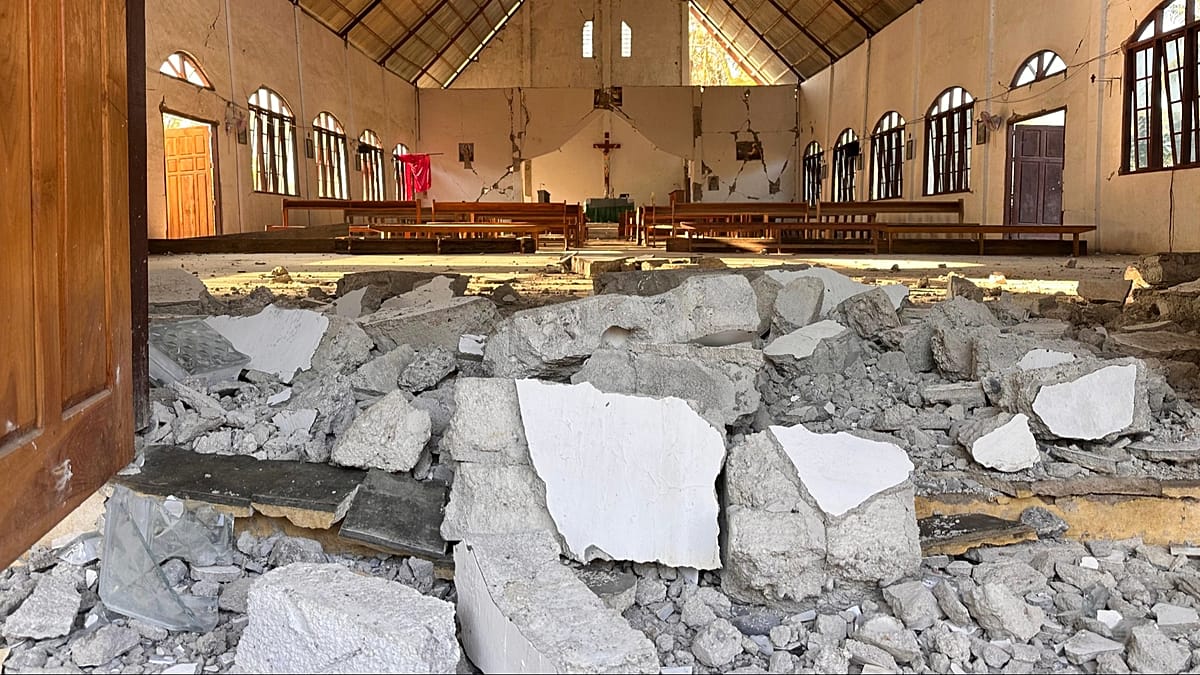
Once the shaking has stopped, the next step is to evaluate the safety of your surroundings. If you decide to leave a building, never use the lift—take the stairs. Look for cracks in walls and columns. Cracks wider than three millimetres, especially those running diagonally or in a stepped pattern, indicate structural risk. In such cases, do not enter the building, or leave it calmly if you are already inside.
From a safe distance, check whether the building remains vertical or is leaning relative to its neighbours, whether the pavement in front shows signs of damage, and the condition of nearby lamp posts and other infrastructure. Examine the façade for cracks: diagonal cracks between one and three millimetres wide are the most dangerous. If cracks are less than one millimetre, the damage is generally minor, and you may enter with caution.
Communication is also critical. Avoid making non-emergency phone calls, as overloaded networks can prevent those in genuine need from reaching help. If you hear someone trapped under rubble, advise them to cover their mouth and nose to avoid inhaling dust and to tap on a nearby object to signal their location. If you encounter someone seriously injured but not trapped, do not move them—wait for emergency services to arrive.
The guidance comes as southern Spain remains on alert for seismic activity. Recent tremors in the region have served as a reminder of the importance of preparedness. Similar advice has been shared after earthquakes in other parts of Europe, such as the recent events near Naples and the tremor in Molise. While the risk may be lower than in places like Turkey or Venezuela, the institute's message is clear: being ready can save lives.
For residents of the Granada basin and other seismic zones, the takeaway is simple. Plan ahead, stay calm, protect your head, and assess carefully before re-entering any building. These steps, though basic, can make a crucial difference when the earth moves.