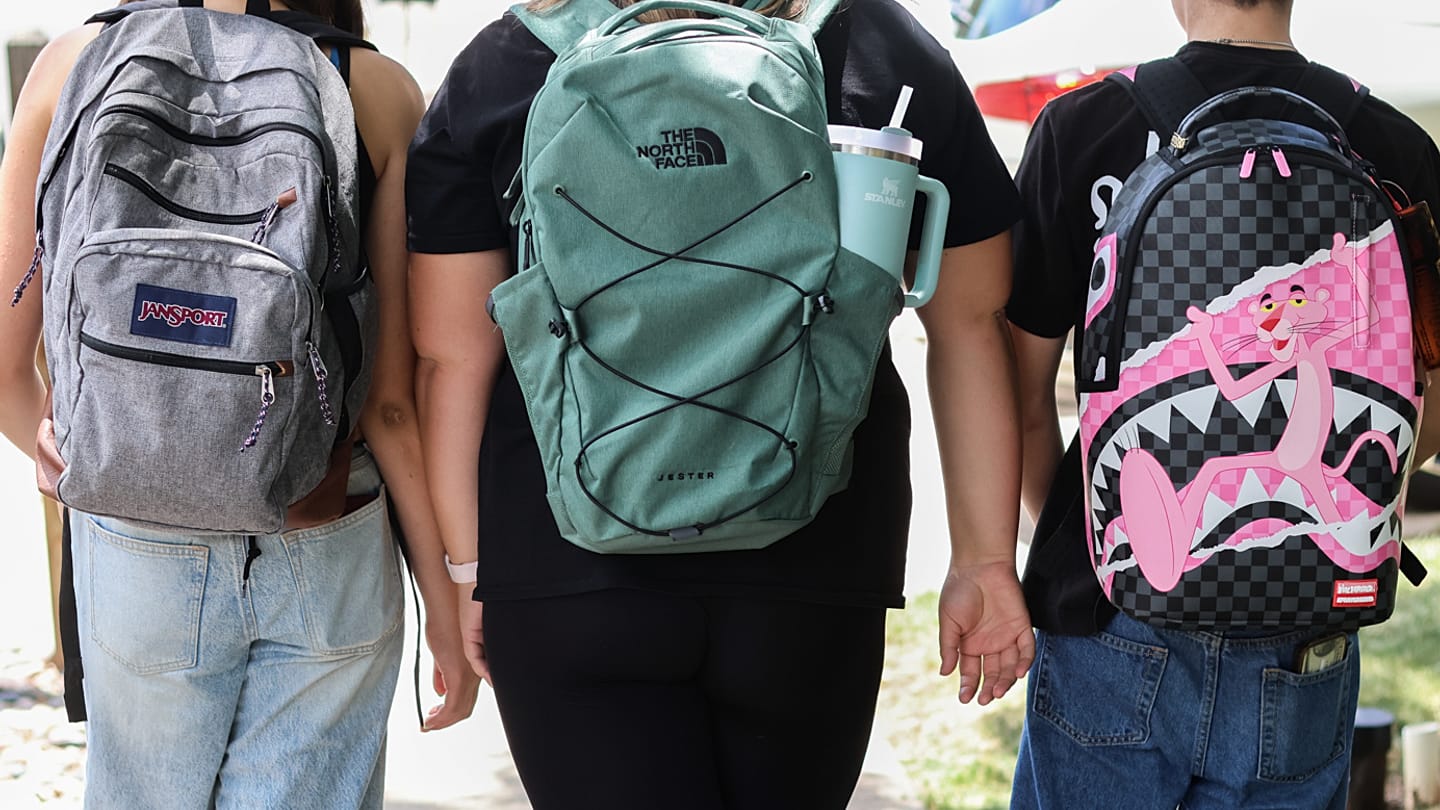
As families across Europe prepare for the new school year, a familiar ritual returns: the weighing of backpacks. From Lisbon to Warsaw, parents and paediatricians are raising concerns about the strain that overloaded bags place on young bodies. While the problem is not new, experts say it deserves renewed attention as children head back to classrooms.
According to health professionals, a backpack that is too heavy can lead to muscle fatigue, poor posture, and even long-term spinal issues. The German Federal Institute for Occupational Safety and Health recommends that a school bag should weigh no more than 10% of a child's body weight. For a 30-kilogram first-grader, that means a maximum of three kilograms—a limit that many students exceed before the first bell rings.
Why heavy backpacks are a health concern
Children's skeletons are still developing, and excessive weight can compress the intervertebral discs, which are more fluid and vulnerable in young people. Over time, this can lead to back pain, shoulder strain, and even changes in gait. A study published in the Journal of Pediatric Orthopaedics found that carrying a backpack weighing more than 15% of a child's body weight significantly increases the risk of back discomfort.
Orthopaedic specialists in France and Italy have noted an uptick in consultations for back pain among school-age children, often linked to poorly adjusted or overloaded bags. In Paris, physiotherapist Claire Dubois explains: "Many parents don't realise that the way a backpack is worn matters as much as its weight. A bag that hangs too low pulls the shoulders forward and forces the spine into an unnatural curve."
Choosing the right backpack
Experts agree that the design of the backpack plays a crucial role. Look for models with padded shoulder straps, a waist or chest strap to distribute weight, and a lightweight frame. The back panel should be firm but cushioned to protect the spine. In Scandinavian countries, ergonomic backpacks with rigid frames are popular, and some municipalities in Finland provide them as part of school supplies.
Parents should also consider the size of the bag. A backpack that is too large encourages overpacking, while one that is too small may not fit all necessary items. The top of the backpack should sit just below the shoulders, and the bottom should rest at the curve of the lower back—not sagging toward the buttocks.
Packing smart
What goes inside matters just as much as the bag itself. Encourage children to carry only what they need for the day. Many schools now provide digital textbooks or lockers, which can significantly reduce the load. In Germany, some schools have introduced 'school bag checks' where teachers and parents review what students carry, helping to eliminate unnecessary items.
Heavy items like laptops or large binders should be placed closest to the back, as this keeps the centre of gravity stable. Lighter items can go in the front compartments. If a child has to carry a packed lunch, a water bottle, and sports gear, consider using a separate bag for those items, but be mindful that carrying multiple bags can also cause imbalance.
Wearing it correctly
Both straps should always be used. Wearing a backpack over one shoulder is a common habit among teenagers, but it leads to uneven loading and muscle strain. Adjust the straps so the bag fits snugly against the back, and use the chest or waist strap if available. The weight should be distributed evenly across the shoulders and hips.
Parents can also help by encouraging children to do simple strengthening exercises, such as shoulder rolls and back stretches, to build the muscles that support the spine. In Switzerland, some schools have incorporated posture exercises into physical education classes, a practice that has been well received by both students and teachers.
As the school year begins, it's worth taking a few minutes to assess your child's backpack. A small adjustment in how it is packed or worn can make a significant difference to their comfort and long-term health. For more tips on easing children back into school routines, you might find our guide on sleep resets helpful. And for families in Greece, where the cost of school supplies has risen sharply, our report on price gaps offers context on the financial pressures parents face.
Ultimately, the goal is to ensure that the only heavy thing about school is the learning, not the bag on a child's back. With a little planning and awareness, parents can help their children start the year on the right foot—and with a lighter load.