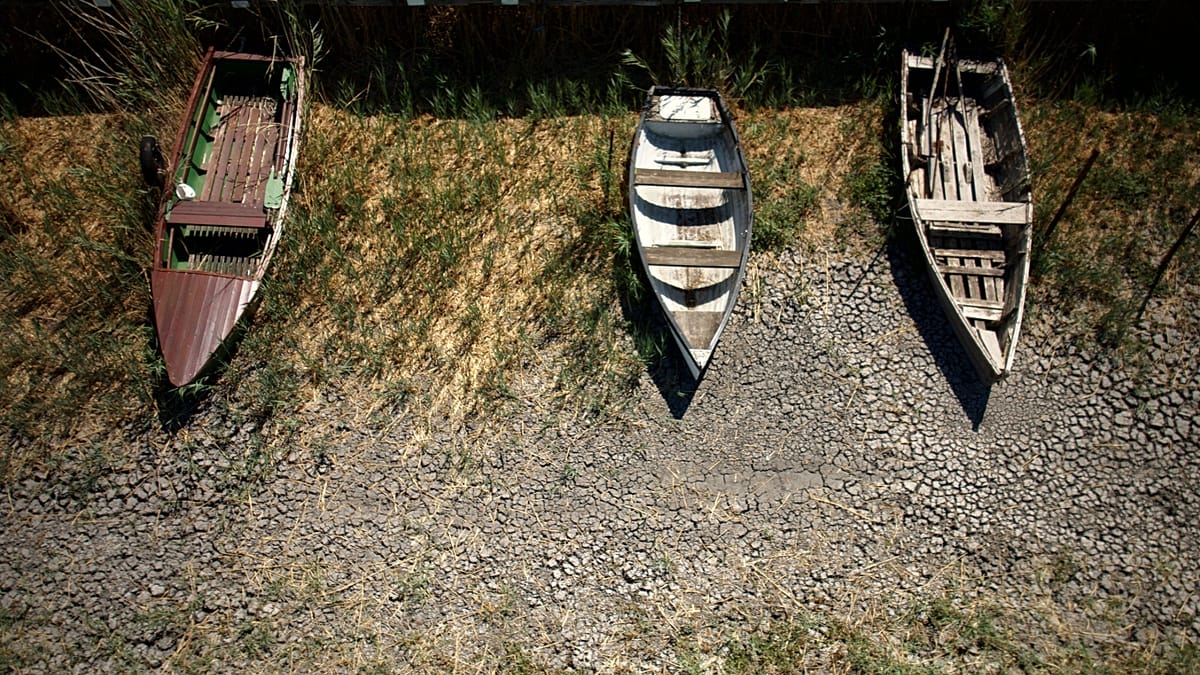
Hungary is in the grip of an acute water crisis, as a prolonged spell of heat and dryness drives water levels in its lakes and rivers to record lows. According to recent assessments, roughly 99 percent of the country is now classified as being under severe or extreme drought, a situation that is reshaping landscapes and putting pressure on communities from the Danube to the Tisza.
The Great Hungarian Plain, the vast agricultural heartland east of the Danube, is particularly vulnerable. Experts warn that the region is edging toward desertification, a process that could fundamentally alter its character and productivity. Soils that once supported rich harvests are now parched, and farmers are struggling to irrigate crops as reservoirs shrink.
Record lows on major waterways
The Danube, Europe's second-longest river, has fallen to levels not seen in decades at several measuring stations in Hungary. In Budapest, the iconic embankments are exposing mudflats that are normally submerged, while the river's flow has dropped to a fraction of its usual volume. The Tisza, which drains much of the eastern plain, is similarly depleted, with sandbanks emerging where boats once navigated freely.
Lake Balaton, Central Europe's largest lake, has also seen its water level drop significantly, raising concerns for tourism and local ecosystems. The lake's receding shoreline has left boats stranded and beaches extended far beyond their usual reach, a stark visual reminder of the drought's toll.
The crisis has prompted emergency measures. Authorities have deployed temporary barriers and pumps to maintain water supplies for towns and industry, and there are growing calls for a national water strategy that addresses long-term climate resilience. The situation is particularly acute for the Paks nuclear power plant, which relies on Danube water for cooling; emergency measures are already in place to keep the facility operational.
Desertification threat
Desertification is no longer a distant concern for Hungary. The Great Hungarian Plain, which covers about half of the country, is experiencing soil degradation and a decline in groundwater levels. Scientists point to a combination of reduced rainfall, higher temperatures, and over-extraction of water for agriculture as key drivers.
“We are seeing processes that are typical of arid regions,” said a hydrologist at the University of Szeged. “The soil is losing its ability to retain moisture, and without significant intervention, parts of the plain could become unsuitable for farming within a generation.”
The drought is part of a broader European pattern. Germany recorded a devastating summer with thousands of heat-related deaths, and France's Alps have seen record rockfalls due to melting permafrost. The continent is grappling with the consequences of a warming climate, and Hungary's water crisis is a stark example of the challenges ahead.
Impact on communities and ecosystems
The drought is not just an environmental issue; it is a social and economic one. In rural areas, wells are running dry, forcing residents to rely on water deliveries. Farmers face crop failures, and the tourism industry around Lake Balaton is bracing for a difficult season. The ecological balance of wetlands and riverine habitats is also under threat, with fish populations declining and bird species losing nesting grounds.
Local authorities are implementing water restrictions, and some municipalities have banned the use of tap water for gardening or car washing. The government has announced plans to invest in water infrastructure, including new reservoirs and more efficient irrigation systems, but critics argue that these measures are too little, too late.
The crisis has also drawn attention to the wider issue of water management in Europe. Cycling along the Danube reveals the river's diminished state, but also the resilience of communities adapting to change. Meanwhile, droughts elsewhere in Europe have exposed historical artifacts, underscoring the continent's shared vulnerability.
As Hungary confronts this unprecedented dry spell, the need for a coordinated, forward-looking approach has never been clearer. The country's lakes and rivers are not just natural assets; they are lifelines for millions of people. Without decisive action, the Great Hungarian Plain may become a permanent reminder of what happens when water runs out.