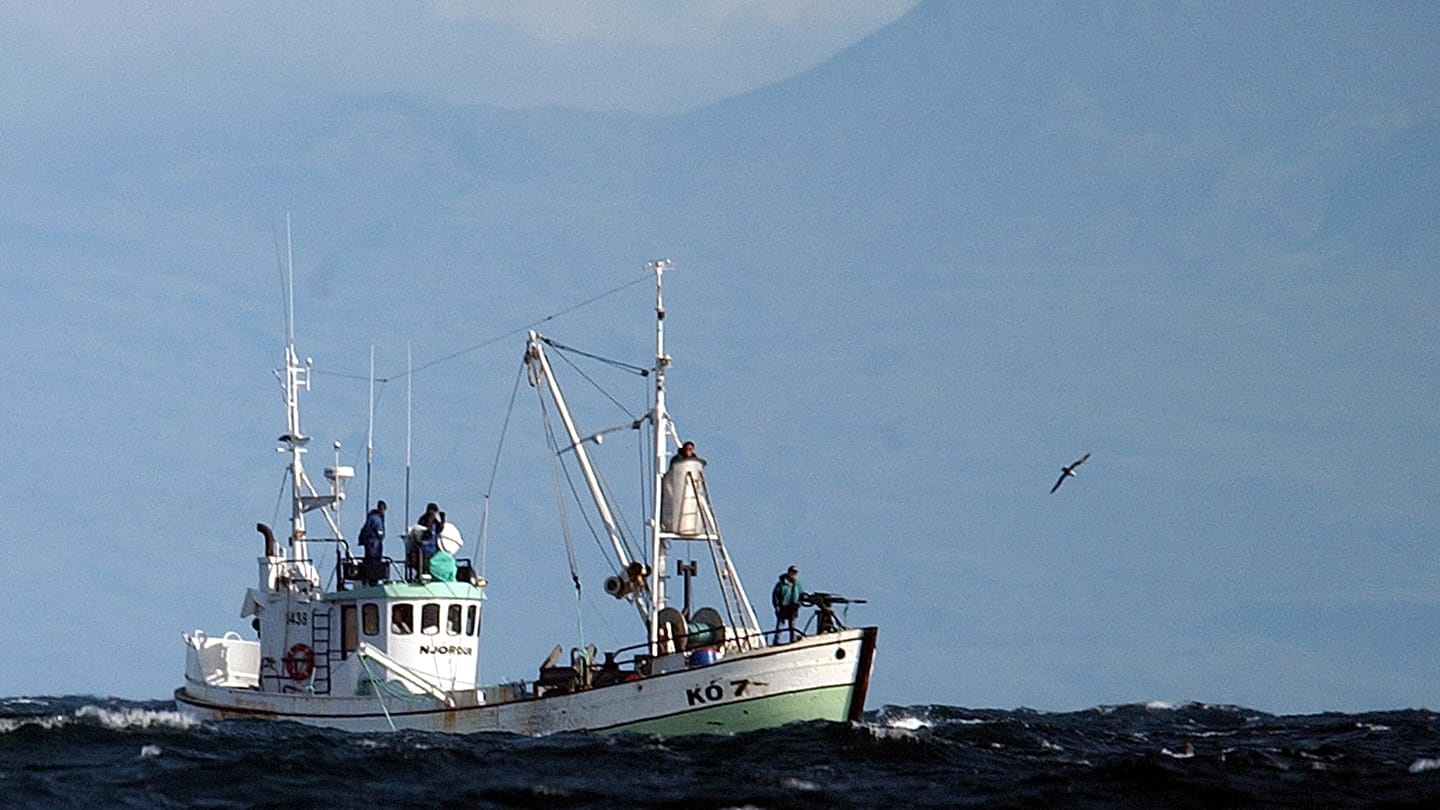
Iceland has resumed commercial whaling for the first time since 2023, with the first fin whales killed in recent days. The move ends a voluntary pause that had been in place amid declining demand and shifting public attitudes toward the practice.
The Icelandic Marine and Freshwater Research Institute has recommended that no more than 150 fin whales be caught during the 2026 season. Fin whales, the second-largest animal on Earth after the blue whale, are classified as vulnerable by the International Union for Conservation of Nature.
Renewed controversy in Reykjavík
The resumption has drawn sharp criticism from environmental groups and several EU member states. Iceland is one of only three countries — alongside Norway and Japan — that still permits commercial whaling. While Iceland is not an EU member, it is a signatory to the International Whaling Commission's moratorium on commercial whaling, though it lodged a reservation that allows it to continue.
“This is a step backward for a nation that prides itself on its pristine natural environment,” said Árni Finnsson, chairman of the Iceland Nature Conservation Association. “The global trend is moving away from whaling, and Iceland risks damaging its reputation as a responsible steward of the oceans.”
The decision also comes as Iceland's tourism sector — which heavily markets the country's whale-watching opportunities — has expressed concern. Whale watching is a major draw for visitors to Reykjavík, Húsavík, and Akureyri, generating hundreds of millions of euros annually. The resumption of hunting could tarnish Iceland's image as a destination for nature lovers, especially as Europe's top 'coolcation' destinations for 2026 include Iceland, Finland, and Norway.
Economic and political calculations
The government in Reykjavík has defended the quota, arguing that whaling remains a traditional livelihood for a small number of coastal communities. The only company currently licensed to hunt fin whales is Hvalur hf., based in the town of Hvalfjörður. Its owner, Kristján Loftsson, has long argued that whaling is sustainable and that the stocks are healthy.
However, the economic case for whaling has weakened. Japanese demand for whale meat — historically Iceland's main export market — has declined sharply. In 2023, Iceland exported just 12 tonnes of whale products, down from over 1,500 tonnes a decade earlier. The domestic market is also limited; fewer than 5% of Icelanders regularly eat whale meat, according to recent polls.
The resumption also places Iceland in an awkward position with the European Union. While Brussels has no direct authority over Icelandic whaling, the EU has repeatedly urged Iceland to end the practice. The European Commission has cited animal welfare concerns, particularly the methods used to kill whales. A 2023 report by the Icelandic Food and Veterinary Authority found that some fin whales took up to 30 minutes to die after being harpooned.
Wider European context
Iceland's decision stands in contrast to broader European trends. Norway, the only other European country that allows commercial whaling, has seen its own catch quotas decline in recent years. In 2024, Norwegian whalers caught just 575 minke whales, far below the government's quota of 1,278. The industry there is also struggling with falling demand and an aging workforce.
Meanwhile, the United Kingdom, France, Germany, and the Netherlands have all called for a permanent global ban on commercial whaling. The European Parliament passed a resolution in 2023 urging Iceland, Norway, and Japan to cease whaling immediately.
Environmental groups are now considering legal challenges. The Whale and Dolphin Conservation Society has said it will explore options under EU trade law, arguing that Icelandic whale products should be barred from the European single market. Iceland is a member of the European Economic Area, which gives it access to the EU's internal market for most goods — but not for products derived from endangered species.
The resumption of whaling also comes at a time when Iceland is increasingly positioning itself as a leader in marine conservation. The country is a partner in Europe's Digital Twin Ocean, an EU-backed project using AI and satellites to create a virtual replica of marine ecosystems. Critics say the whaling quota undermines that commitment.
“You cannot claim to be a guardian of the ocean while harpooning its largest inhabitants,” said Sigríður Ásta Þráinsdóttir, a marine biologist at the University of Iceland. “The contradiction is glaring.”
The 2026 season will be closely watched by conservationists, diplomats, and the tourism industry. For now, the whales off Iceland's coast face a familiar threat — one that many Europeans had hoped was fading into history.