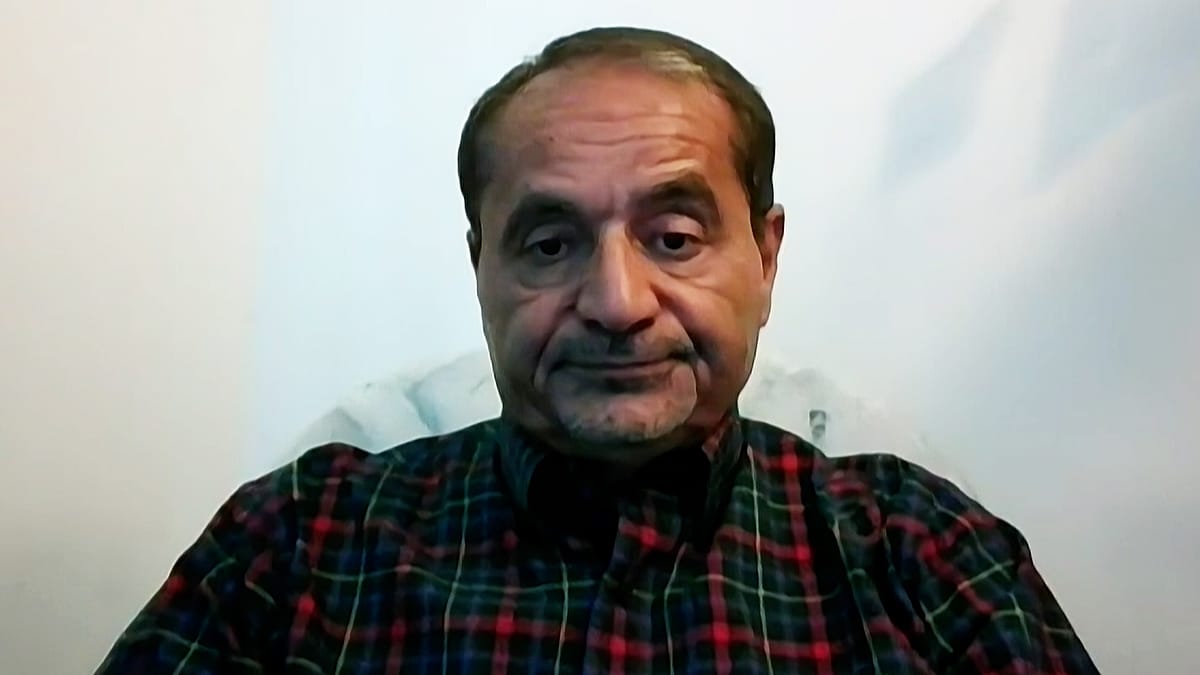
A former senior Iranian diplomat has suggested that Tehran is prepared to permit International Atomic Energy Agency (IAEA) inspections of its nuclear facilities during ongoing peace talks with the United States, a position that diverges from statements made by other Iranian officials.
Seyed Hossein Mousavian, who served as spokesman for Iran's nuclear negotiation team, told Euronews that he expects the Islamic Republic to grant the IAEA access to its nuclear sites as part of the negotiation process. This stands in contrast to assertions by some Iranian officials that such access could only be granted after a final agreement has been reached.
Diverging Signals from Tehran
The remarks come amid a complex diplomatic landscape. While Mousavian's comments suggest a potential opening, other voices within Iran's political establishment have taken a harder line. The discrepancy highlights the internal debates in Tehran over how to approach negotiations with Washington, particularly as the US has sought to revive elements of the 2015 nuclear deal, formally known as the Joint Comprehensive Plan of Action (JCPOA).
Mousavian, now a researcher at Princeton University, has maintained ties to Iranian diplomatic circles. His assessment carries weight given his past role in nuclear talks, but it does not represent official government policy. The IAEA has long sought access to Iranian sites to verify compliance with non-proliferation commitments, and the issue remains a key sticking point in broader negotiations.
The European Union has been closely monitoring these developments. Brussels has historically played a mediating role in US-Iran talks, and any progress on inspections could ease tensions that have ripple effects across European energy markets and security arrangements. The Strait of Hormuz crisis earlier this year underscored Europe's vulnerability to disruptions in Gulf oil supplies, making a stable Iran deal a strategic priority for EU capitals.
European Stakes in the Nuclear Talks
For European policymakers, the prospect of renewed IAEA inspections is a critical confidence-building measure. The EU has consistently called for Iran to cooperate fully with the agency, and any move toward transparency could unlock broader diplomatic progress. However, the bloc remains wary of US unilateralism, particularly after Washington's withdrawal from the JCPOA in 2018 under President Donald Trump.
The current US administration under President Joe Biden has signaled a willingness to re-engage, but talks have been complicated by Iran's advancing nuclear program and regional tensions. Mousavian's comments suggest that Tehran may be willing to offer concessions on inspections to secure sanctions relief, a calculation that could resonate in European foreign ministries.
Meanwhile, the EU has been pursuing its own diplomatic initiatives. The bloc recently released a €3 billion loan to Ukraine, signaling its capacity to act independently on global issues. Yet on Iran, European leaders prefer a coordinated approach with Washington, fearing that a fragmented strategy could embolden hardliners in Tehran.
The IAEA's next quarterly report on Iran, expected in the coming weeks, will provide a crucial test of whether Tehran's rhetoric matches reality. If inspections proceed during talks, it could mark a significant shift from the pattern of brinkmanship that has characterized US-Iran relations for decades.
For now, Mousavian's prediction remains just that—a prediction. But in the high-stakes world of nuclear diplomacy, even a hint of flexibility from Tehran is enough to keep European diplomats engaged and watchful.