Iraqi Prime Minister Ali Zeydi made his first official visit to Ankara on Tuesday, proposing to supply Turkey with up to 1 million barrels of oil per day. The offer comes as Turkey seeks to diversify its energy imports away from Gulf routes disrupted by the ongoing Strait of Hormuz crisis.
President Recep Tayyip Erdoğan confirmed the proposal at a joint press conference following talks at the presidential complex. "Our neighbour is right here," Erdoğan said. "Our goal now is to sign a comprehensive energy cooperation agreement as soon as possible that will benefit both sides." He added, "Once we transfer 1 million barrels of oil from our neighbour Iraq, it will meet our needs." Zeydi affirmed the figure, stating, "Yes, that is correct, 1 million."
Energy cooperation and pipeline revival
No binding agreement on the volume or timeline was signed on Tuesday. However, the two sides did finalise a deal for Turkish Petroleum to acquire a 15% stake in BP's operations at the Kirkuk oilfield. Erdoğan called it "a historic step" as broader energy negotiations continue.
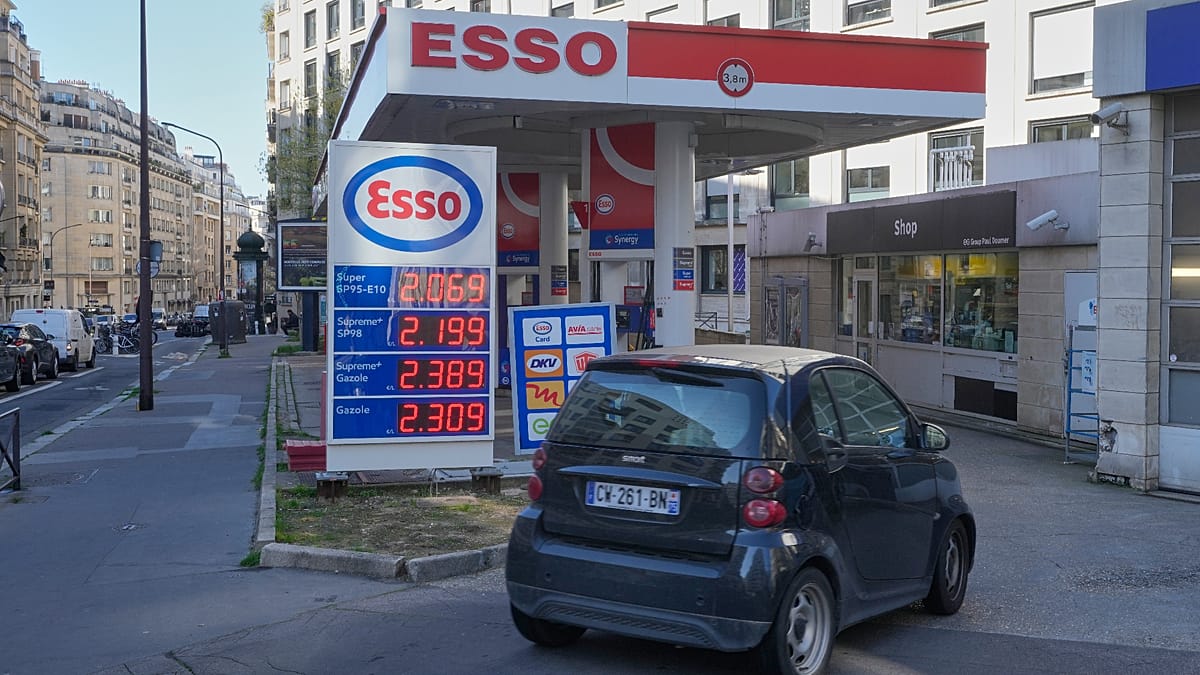
Turkey imports roughly 90% of its oil and has faced mounting pressure to secure alternative supply routes since the outbreak of the Iran war, which pushed global energy prices higher and effectively closed the Strait of Hormuz. Iraq is already one of Turkey's closest trading partners and a major crude supplier.
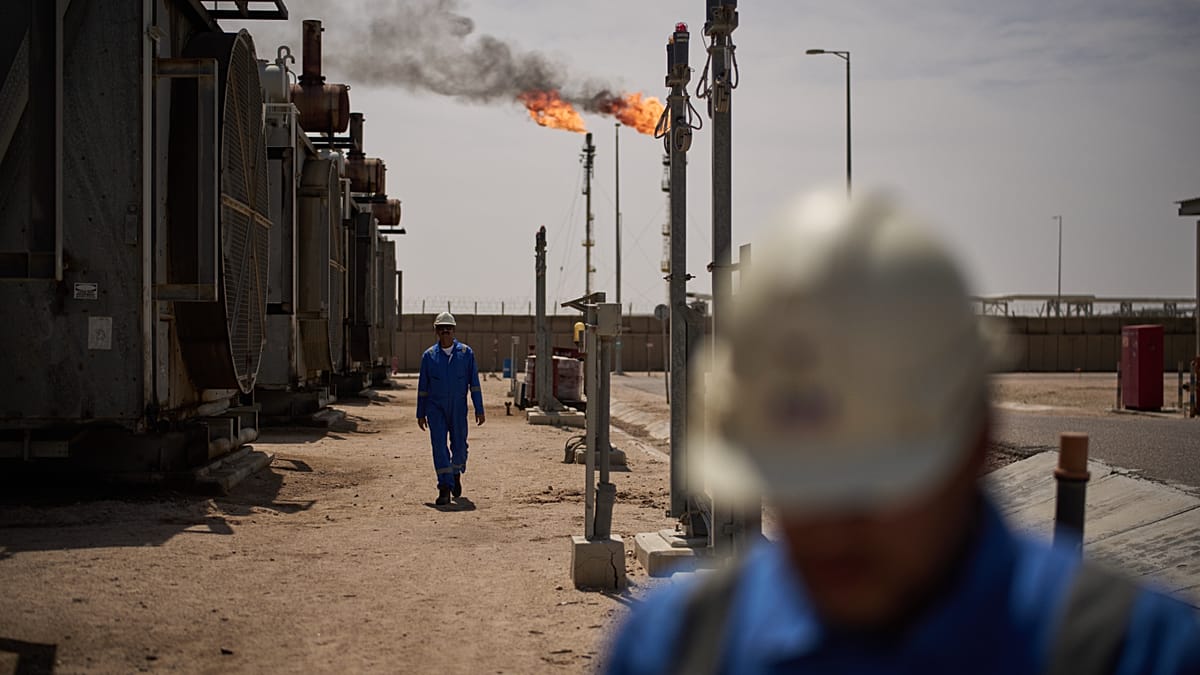
The decades-old Kirkuk-Ceyhan pipeline, which can carry up to 1.5 million barrels per day, has been shut since March 2023 following an arbitration ruling against Turkey over Kurdish oil exports. Turkish Energy Minister Alparslan Bayraktar said any replacement deal must include a mechanism guaranteeing full use of the pipeline's capacity. Reviving the pipeline remains a priority for both governments.
Development Road and regional projects
The $17 billion Development Road project — a 1,200-kilometre corridor combining motorway, railway and pipeline infrastructure from Iraq's port of Basra to the Turkish border and onward to Europe — featured prominently in the talks. Zeydi said work had gained new momentum. Transport Minister Abdülkadir Uraloğlu indicated that details were nearly finalised and construction could begin before the end of 2026.
First announced in 2023, the project aims to give Iraq a direct land route to European markets, reducing its dependence on Gulf shipping — a goal that has become more pressing since the Strait of Hormuz closure. The corridor would also strengthen Turkey's role as an energy hub connecting the Middle East to Europe.
Bayraktar added that Turkey is exploring ways to send natural gas to Iraqi power plants struggling with shortages. On water management, the two countries signed a new framework for the shared Euphrates and Tigris river system, due to take effect on 1 September. Joint infrastructure projects will be funded from a dedicated account drawing on Iraqi oil revenues from sales to Turkey, with Turkish companies leading construction.
Zeydi chose Ankara for his third overseas visit after Washington and Tehran. The leaders also discussed regional issues including Palestine, Syria and Iran. Erdoğan said Turkey was ready to supply Iraq with defence equipment.
The proposed oil supply deal, if finalised, would significantly reshape energy flows in the eastern Mediterranean and reduce Turkey's exposure to volatile Gulf routes. It also underscores how the Strait of Hormuz crisis is driving long-term shifts in European energy security planning.