Hours after US President Donald Trump claimed a breakthrough agreement to halt hostilities, Israel and Hezbollah exchanged fire on Tuesday, raising serious doubts about the viability of ceasefire efforts. Trump wrote on Truth Social that Israeli Prime Minister Benjamin Netanyahu had turned back troops following a request not to carry out a planned raid on Beirut, and that Hezbollah had agreed to cease attacks through intermediaries. However, the warring parties appeared to contradict this announcement almost immediately.
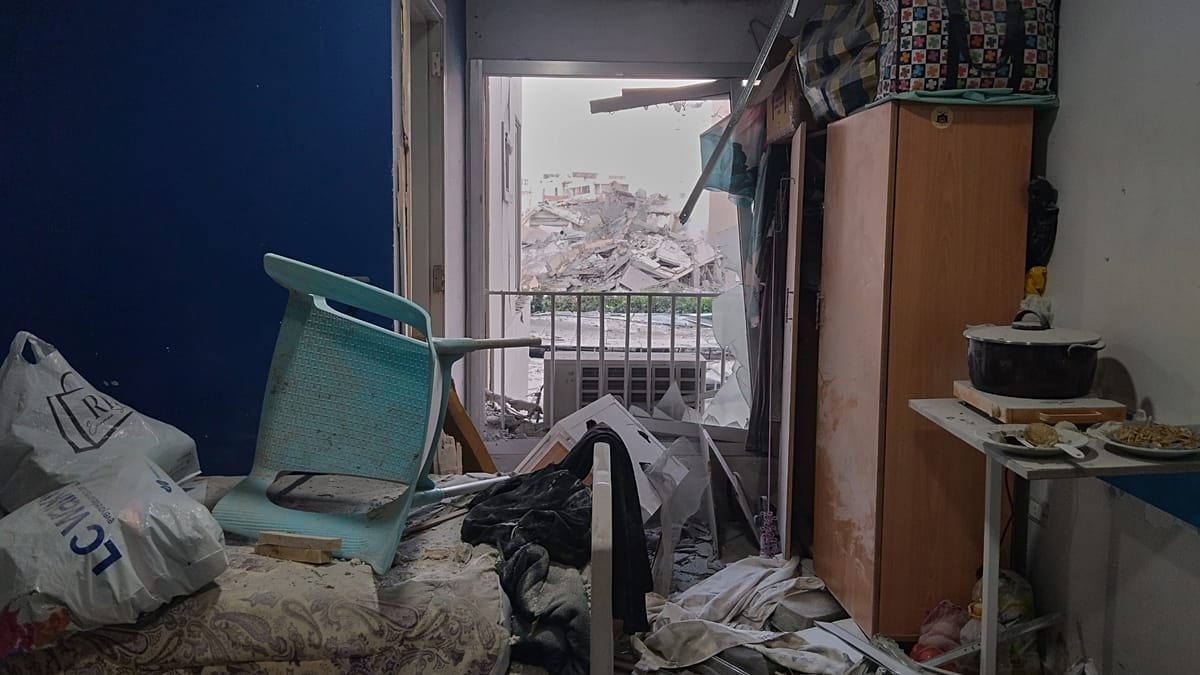
Israeli forces conducted strikes on southern Lebanon, while Hezbollah fired into northern Israel. There has been no clear public confirmation from either side that a formal ceasefire is in place. Netanyahu signaled that Israeli operations could continue, stating that Israel would strike targets in Beirut if Hezbollah did not stop attacks on Israeli towns and civilians.
Regional Escalation and European Concerns
The renewed violence follows a sharp escalation in recent days, with Israeli forces carrying out their deepest incursion into Lebanon in two decades and conducting heavy bombardment, including threats to strike Beirut’s southern suburbs, a stronghold of Hezbollah. This has prompted urgent calls for restraint from European capitals, with France demanding a UN Security Council meeting after Israel captured Beaufort Castle in Lebanon, a site of historical and strategic significance.
European leaders have been closely monitoring the situation, as instability in the Middle East has direct implications for energy markets, migration flows, and security cooperation. The European markets rallied earlier on oil retreats following Trump's signals on Iran peace, but the renewed fighting threatens to undermine that fragile optimism.
Lebanon’s authorities said Hezbollah had agreed to a US-backed proposal for a “mutual cessation of attacks”, under which Israel would halt strikes on Beirut’s southern suburbs in exchange for an end to cross-border fire. However, the lack of a formal agreement and the continued exchanges of fire suggest that the situation remains highly volatile.
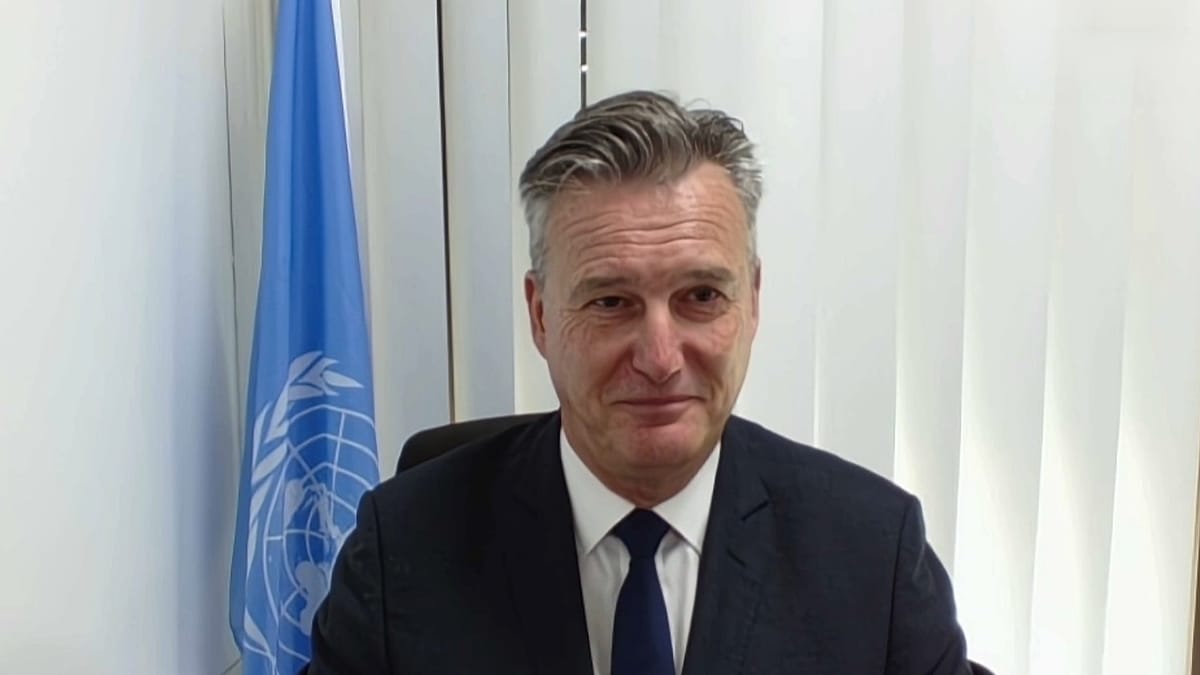
The United Nations has called for restraint, but the UN's appeal has so far gone unheeded. Iran has warned of opening new fronts, adding to the complexity of the conflict. Israel and Lebanon are scheduled to hold talks in Washington, DC, on Tuesday and Wednesday, but the outcome remains uncertain.
For Europe, the stakes are high. The conflict threatens to destabilize the broader region, potentially triggering a new wave of refugees and disrupting trade routes. The European Union has consistently called for de-escalation and a return to diplomacy, but the latest developments suggest that a lasting ceasefire remains elusive.