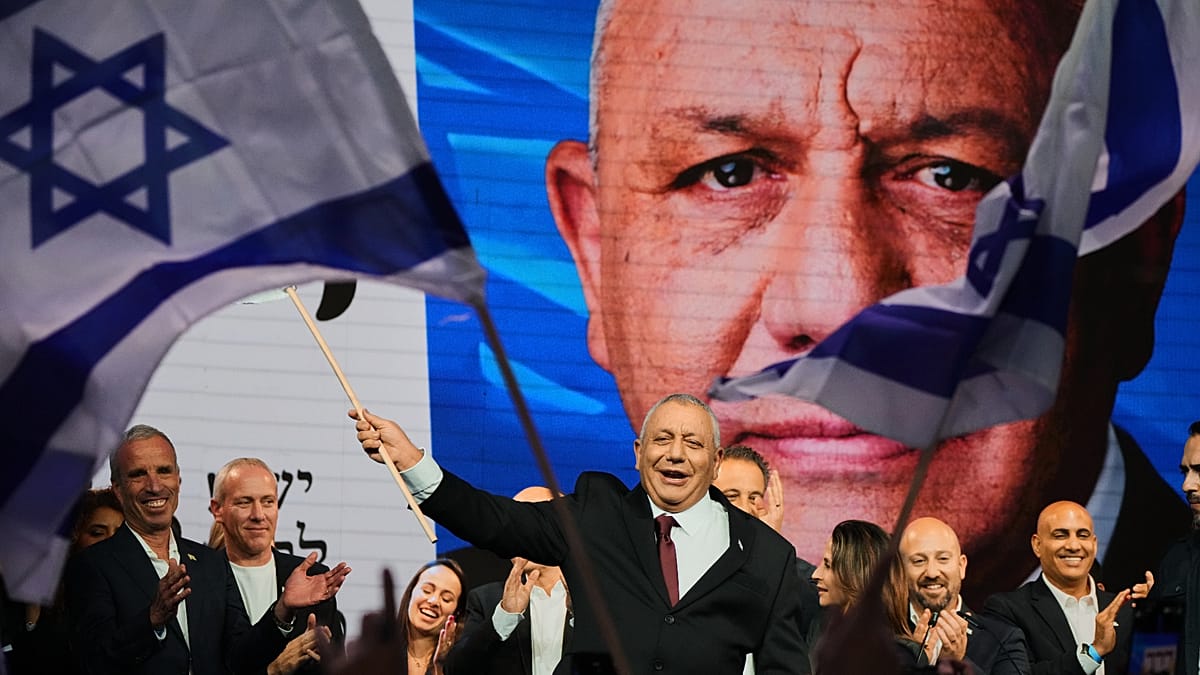
Israel's political deadlock has entered a new phase. President Isaac Herzog announced on Saturday evening that he would ask Gadi Eisenkot, head of the centrist Yashar party, to attempt to form a government. The decision follows last month's legislative elections, which left neither the right-wing bloc led by Prime Minister Benjamin Netanyahu nor the opposition with a clear path to a majority in the 120-seat Knesset.
Herzog's office said the president had consulted with political leaders over the past days, including Eisenkot and Netanyahu. After those talks, factions representing 67 members of the Knesset expressed support for Eisenkot, while 46 backed Netanyahu. The president has invited Eisenkot to the official residence for a ceremony to confer the mandate, scheduled for the following day.
Under Israeli law, the candidate tasked with forming a government has 28 days to complete the task. The president may extend this period by up to 14 days. If Eisenkot fails, Herzog could give another candidate a chance, with a fresh 28-day window. Should that also fail, the Knesset could request a third candidate, who would have just 14 days. If all attempts collapse, the country would face another election.
Eisenkot, a former chief of staff of the Israel Defense Forces, has pledged to "do everything" to build a coalition. His centrist Yashar party emerged as a key player in the fragmented parliament, though it remains smaller than Netanyahu's Likud, which won 27 seats. The Arab parties, running together, secured a record 19 seats, giving them significant leverage in any coalition arithmetic.
The election results were a setback for Netanyahu, whose right-wing bloc finished with 53 seats—short of the 61 needed for a majority. The opposition, led by Yashar, won 48 seats. Neither side can govern without support from smaller factions, including Arab parties that have historically been excluded from governing coalitions.
European stakes in Israeli politics
For European observers, the outcome matters beyond the Middle East. Israel is a key partner for the European Union in trade, security, and research, and its political direction influences EU foreign policy debates. The EU has repeatedly stressed the importance of a two-state solution, and the composition of the next Israeli government will shape how Brussels engages with Jerusalem on issues ranging from settlement expansion to regional diplomacy.
The election commission has already cleared the vote of fraud, undermining Netanyahu's claims of irregularities—a development that may ease concerns in European capitals about the integrity of the democratic process. However, the prolonged coalition talks could delay decisions on sensitive issues, including the West Bank olive harvest, which continues under Israeli military restrictions that have drawn criticism from European human rights groups.
Eisenkot's background as a former military chief gives him credibility on security matters, but his political inexperience may complicate negotiations. He has vowed to form a "unity government" that could include parties from across the spectrum, though Netanyahu's Likud has so far shown little willingness to join a coalition led by his rival. The coming weeks will test whether Eisenkot can bridge the deep divides that have paralysed Israeli politics for years.
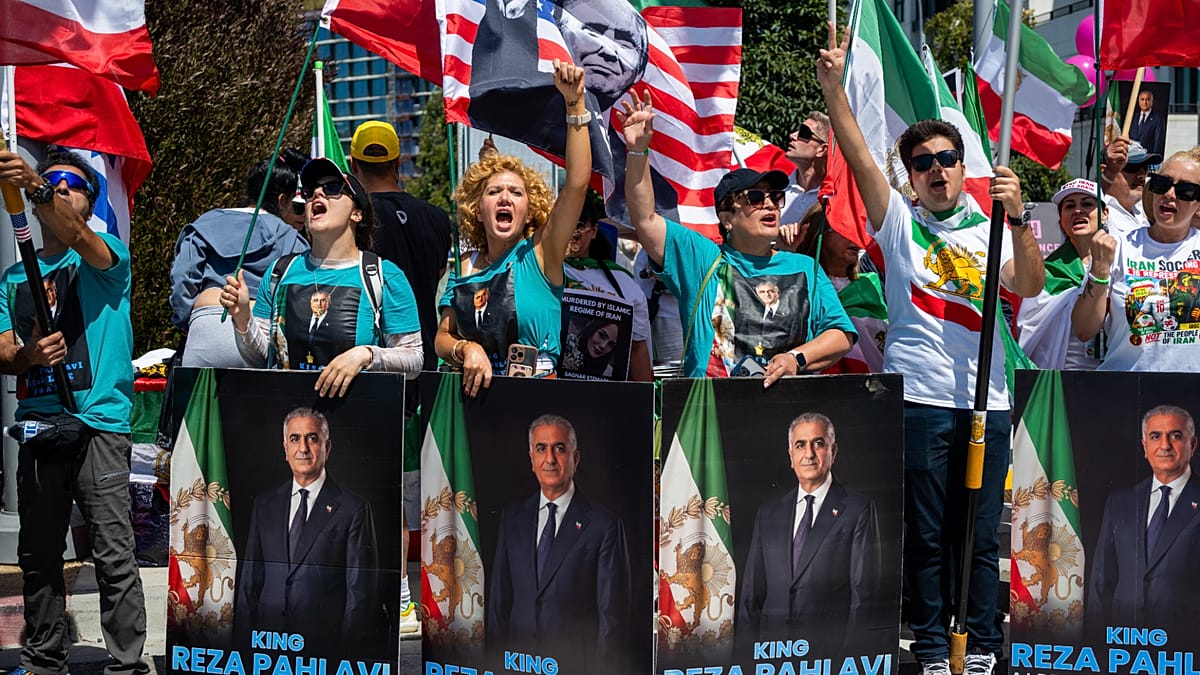
If Eisenkot succeeds, he would become prime minister at a time of heightened regional tensions, including ongoing protests in Iran and a volatile situation in Gaza. European diplomats will be watching closely to see whether his government adopts a more conciliatory tone toward the Palestinians, as some centrist leaders have suggested. The Palestinian leadership has made clear that ousting Netanyahu is their top priority, which could open a window for renewed dialogue.
But the path to a coalition is fraught. Eisenkot will need to secure support from parties that have conflicting demands, including ultra-Orthodox groups seeking religious exemptions and secular parties pushing for judicial reform. The Arab parties, while historically excluded, could play a kingmaker role if Eisenkot is willing to break precedent and include them in a coalition—a move that would be closely watched in Europe, where inclusive governance is a core value.
Should Eisenkot fail, the country could face a fifth election in under four years, prolonging the instability that has worried investors and international partners. European leaders have repeatedly urged Israeli politicians to form a stable government, and the current stalemate is unlikely to reassure them. The next 28 days will be decisive not only for Israel's domestic politics but also for its relations with the European Union and its member states.