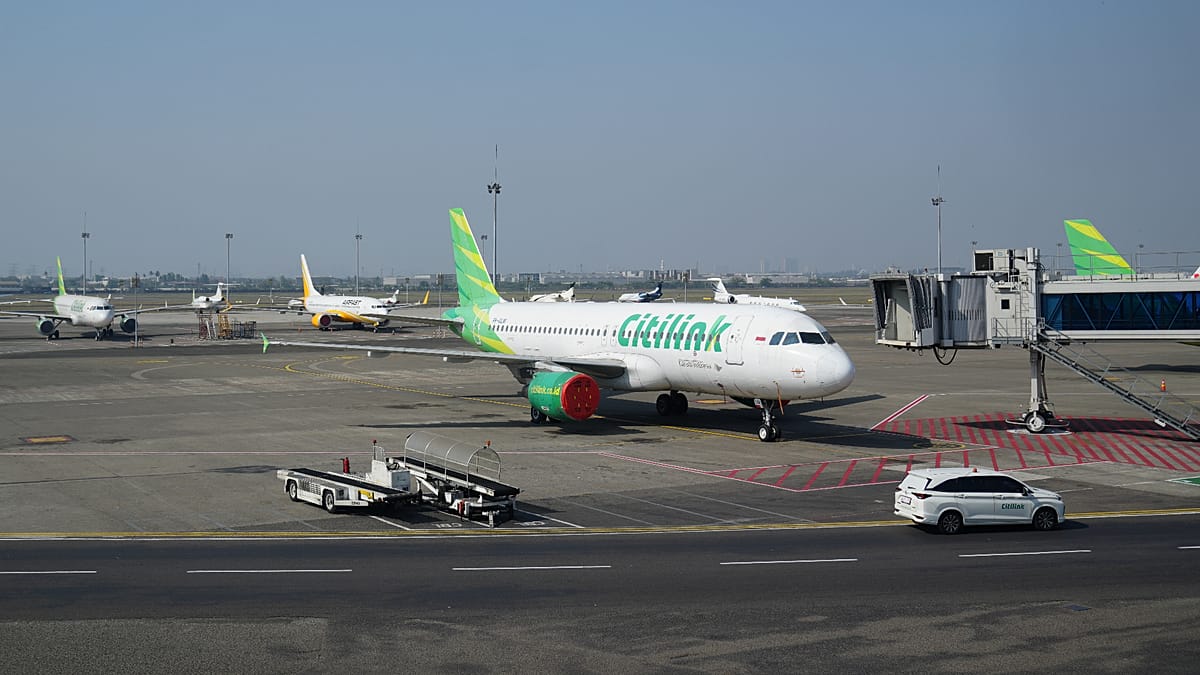
Operations at Jakarta's Soekarno–Hatta International Airport have resumed after a volcanic eruption forced a temporary shutdown, stranding thousands of travellers and disrupting regional air travel.
The Anak Krakatoa volcano, located in the Sunda Strait between Java and Sumatra, began erupting on Saturday, producing a lava fountain and emitting ash that drifted towards the Indonesian capital. Residents in several parts of the country reported booming sounds and tremors, according to Indonesia's geology agency.
Authorities suspended flight operations from 1:30 am local time on Sunday after ash was detected in the airspace around the airport. A paper test confirmed the presence of volcanic ash, leading the transport ministry to extend the closure until 09:30 am (0230 GMT).
The disruption affected more than 22,000 passengers and 209 flights, with routes to Singapore particularly hard hit. Flights to Doha, Sydney, and Kuala Lumpur were also impacted, and at least 16 domestic services to Bali were cancelled, according to local airport authorities.
Anak Krakatoa is one of Indonesia's most active volcanoes, and its eruptions have previously caused significant disruption to aviation in the region. The volcano's activity is closely monitored, but the sudden spread of ash can force airports to close with little notice.
Broader implications for air travel
The incident highlights the vulnerability of air travel to natural events, a concern that resonates beyond Southeast Asia. European airports have faced similar challenges, from security incidents to health scares, but volcanic ash remains a unique threat that can shut down airspace over vast areas.
In 2010, the eruption of Iceland's Eyjafjallajökull volcano caused the largest airspace closure in Europe since World War II, grounding over 100,000 flights and affecting millions of passengers. That event prompted European authorities to develop new procedures for managing ash-related risks, including more flexible airspace management and better communication between meteorological agencies and airlines.
While the current disruption at Soekarno–Hatta is on a smaller scale, it serves as a reminder of the interconnected nature of global aviation. A volcanic eruption in one part of the world can have ripple effects on international routes, as seen with the cancellations to Doha and Sydney.
For European travellers, the incident underscores the importance of checking flight status and having contingency plans when flying in regions with active volcanoes. Airlines are generally quick to rebook passengers, but the uncertainty can be stressful.
Indonesia's geology agency continues to monitor Anak Krakatoa, and further eruptions could lead to additional disruptions. The airport has since reopened, but passengers are advised to stay in contact with their airlines for updates.
The situation also draws attention to the broader challenges of operating airports in seismically active regions. From Lisbon's taxi issues to health concerns at Frankfurt, airports worldwide face a variety of operational hurdles. Volcanic ash, however, remains one of the most unpredictable and potentially dangerous.
As climate patterns shift and volcanic activity continues, the need for robust contingency plans and international cooperation in aviation safety becomes ever more critical. The European experience with Eyjafjallajökull has informed global best practices, and Indonesian authorities have likely benefited from those lessons.
For now, the immediate crisis appears to have passed, but the memory of the disruption will linger for the thousands of passengers whose travel plans were upended by the forces of nature.