From hacked supermarket refrigeration systems to drone-struck grain ships in the Black Sea, a wave of unconventional security incidents has been sweeping through East-Central Europe. Researchers at the Global Security Research Group, part of the Institute of Global Studies at Corvinus University in Budapest, have catalogued more than 50 such events since October, highlighting a region increasingly exposed to threats that fall outside classic military confrontation.
The database, publicly accessible on the Geo-Polemic Substack page, is designed to be updated regularly. Its creators hope it will offer a clearer picture of how hybrid warfare, climate change, and other non-traditional challenges are converging on the region.
Why East-Central Europe is a hotspot
Péter Marton, an associate professor at Corvinus and the group's leader, told Euronews that the region's specific vulnerabilities make it particularly susceptible. “I would not say that this region necessarily stands far out from the field in some way, but it is important from this point of view because of its specific vulnerabilities,” he said.
Marton pointed to demographic pressures, ageing critical infrastructure, and a significant dependence on energy imports compared with other parts of Europe. “This justifies giving special attention to this region,” he added.
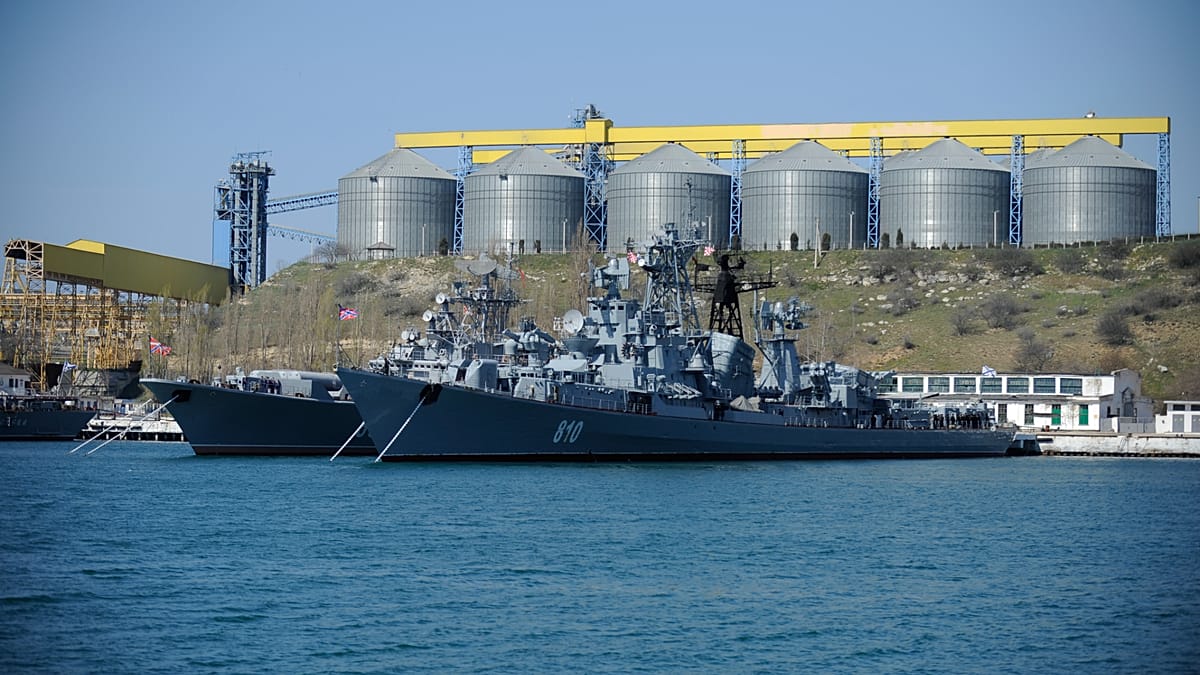
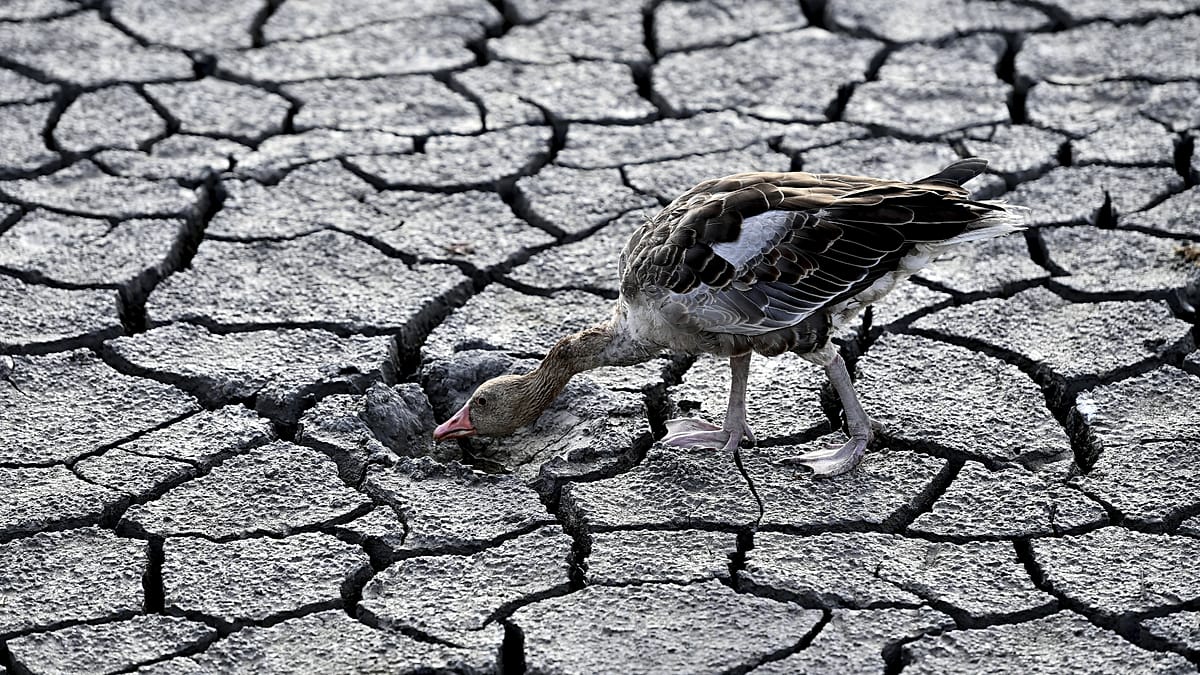
The region's exposure is not just theoretical. In recent months, hackers have remotely raised temperatures in supermarket refrigeration units to 50 degrees Celsius, causing food spoilage and economic damage. In the Black Sea, drones have targeted grain carriers, disrupting vital export routes. Meanwhile, water shortages in the Carpathian Basin are threatening tourism, farming, and electricity generation—a reminder that climate change is not a distant threat but a present-day security issue.
State actors behind most incidents
According to Marton, state actors are responsible for more than half of the recorded incidents. “Using military means, even in a way that is completely denied, damage can be inflicted on others with non-conventional methods,” he explained, citing the Black Sea as a prime example.
“It is particularly sad to see significant grain shipments being lost when the state of global food supply is anything but reassuring. Only yesterday a shipment of 3,000 metric tonnes of grain was lost with a ship in Bulgarian territorial waters,” Marton said.
While Russia's hybrid war against Ukraine features prominently, it is not the only state actor active in Europe. France, for instance, has accused Iran of orchestrating the cyberattack on its supermarket refrigeration systems—a case that underscores the transnational nature of these threats.
Beyond state actors: climate, energy, and crime
Non-state actors also play a major role, Marton noted. “After the summer of 2026 it is easy to recognise what kind of threat climate change can pose, or what kind of threat energy dependence and reliance on energy imports can mean for the economy,” he said. Organised crime, terrorism, and other factors also fall under the umbrella of non-traditional security.
The researchers plan to expand and regularly update the database, drawing conclusions from the data in the coming months. They hope decision-makers will use the findings to defend against non-traditional threats more effectively—or at least to understand them better.
As Europe grapples with these challenges, the need for a coordinated response becomes ever more urgent. The continent's own role in shaping security is under scrutiny, and initiatives like this database could provide the evidence base for more resilient policies.
The intersection of climate and security is also gaining attention at international forums, with calls for regional unity on climate warnings echoing the concerns raised by Marton and his team. Meanwhile, the food industry's role in security is becoming harder to ignore, as disruptions to supply chains and infrastructure reveal deep vulnerabilities.
For now, the database stands as a stark reminder that security in the 21st century is no longer defined solely by tanks and troops. From cyberattacks to climate-driven water shortages, the threats are diverse, interconnected, and increasingly frequent—and East-Central Europe is on the front line.