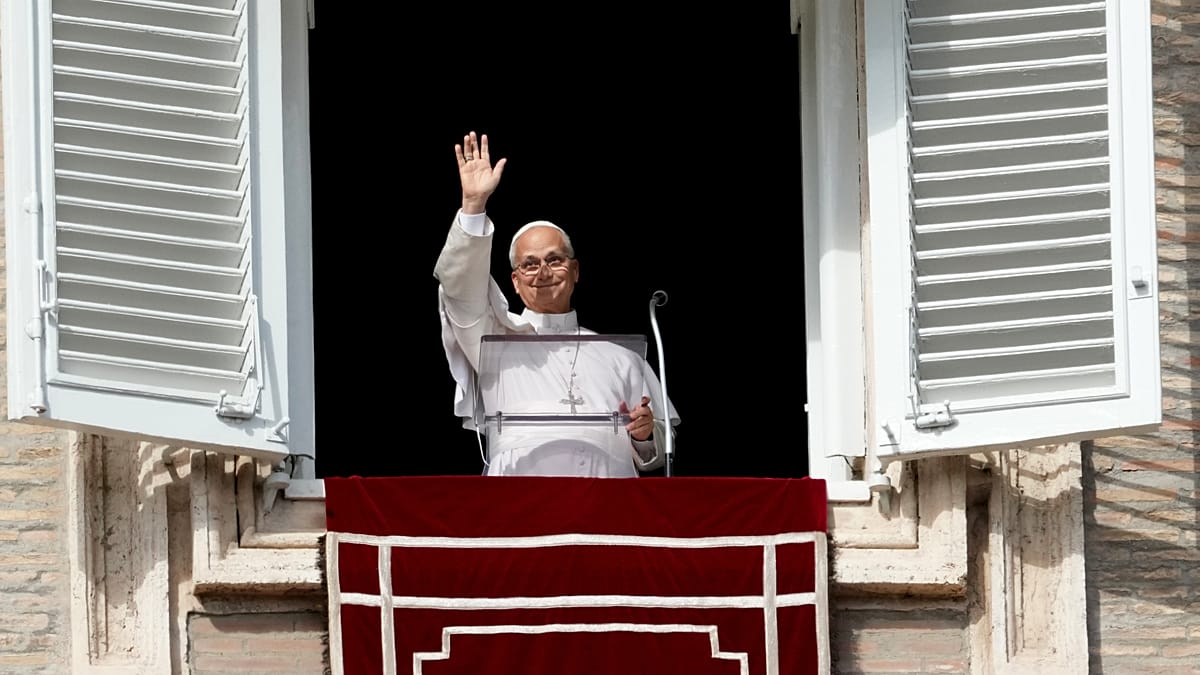
The Vatican has officially confirmed that Pope Leo XIV will undertake his planned visit to Uruguay, Argentina and Peru from 6 to 17 November. The announcement follows medical assessments indicating that the pontiff's recovery from recent surgery is on track, with no complications that would prevent the journey.
According to a statement from the Holy See's Press Office, the operation was completed without issues, and subsequent tests confirmed that the underlying condition has been contained. As a result, no additional oncological therapy is required.
Two weeks after the procedure, the latest check-ups show a favourable recovery, and doctors have cleared the Pope for travel. Since returning to the Vatican, Leo XIV has been gradually resuming his duties, though his schedule remains adapted to medical advice, with dedicated rest periods. Dr. Luigi Carbone, who is overseeing his progress, has confirmed that the Pope is in good health.
A personal return to Latin America
The Pope has expressed particular joy at the prospect of returning to Latin America, a region with which he shares a deep personal connection. "It fills me with happiness to return to the continent where I have lived so many moments of my life," he said. During the trip, he intends to strengthen ties with Catholic communities and deliver a message of faith, hope and peace.
The visit comes at a time when the Catholic Church in Latin America faces both opportunities and challenges. The region has seen shifting political dynamics, as highlighted by Lula's win in Brazil, which halted a conservative wave across the continent. The Pope's itinerary will take him to three countries that reflect this diversity, from the River Plate to the Andes.
For the Vatican, the trip is also a logistical exercise. The Pope's health has been a concern since his lung surgery, which earlier led to the cancellation of a planned visit to Assisi on doctors' advice. That decision underscored the fragility of his condition, but the latest medical reports suggest he is now robust enough for the long-haul flights and demanding schedule.
The choice of Uruguay, Argentina and Peru is significant. Argentina is the Pope's homeland, and his return there is likely to draw large crowds and intense media attention. Peru, with its deep Catholic traditions and significant indigenous population, offers a different backdrop, while Uruguay represents a more secular society where the Church has had to adapt its message.
Observers note that the Pope's emphasis on social justice and environmental stewardship may resonate strongly in these countries, which are also grappling with economic inequality and the impacts of climate change. The trip could also serve as a platform for the Vatican to engage with broader regional issues, including migration and political instability.
While the Vatican has not released a detailed itinerary, it is expected that the Pope will celebrate public masses, meet with local bishops, and hold dialogues with political leaders. The visit is seen as an opportunity to reinvigorate the Church's presence in a region that, while historically Catholic, has seen a rise in secularism and evangelical competition.
For European readers, the trip underscores the Vatican's global reach and its ongoing relevance in international affairs. It also highlights the personal story of a pope who, despite health setbacks, remains committed to his pastoral mission. As recovery without further treatment was confirmed, the focus now shifts to the practicalities of the journey and the messages the Pope will deliver.
The confirmation of the trip also comes amid other international developments, such as trilateral talks on Ukraine scheduled for November, which may compete for global attention. Nevertheless, the Pope's visit is expected to dominate headlines in Latin America and among Catholic communities worldwide.
As the departure date approaches, the Vatican will likely provide further details on the Pope's engagements. For now, the faithful in Uruguay, Argentina and Peru can look forward to a historic visit, while the Pope himself appears determined to honour his commitment despite the challenges of his health.