Doha has issued a stark warning that the ongoing war with Iran is placing an “unbearable” burden on the world economy, even as Qatari officials insist that mediation efforts between Washington and Tehran remain alive. Speaking at a press briefing on Tuesday, Foreign Ministry spokesperson Dr Majed Al Ansari questioned how long international markets and supply chains can absorb the shocks emanating from the Gulf.
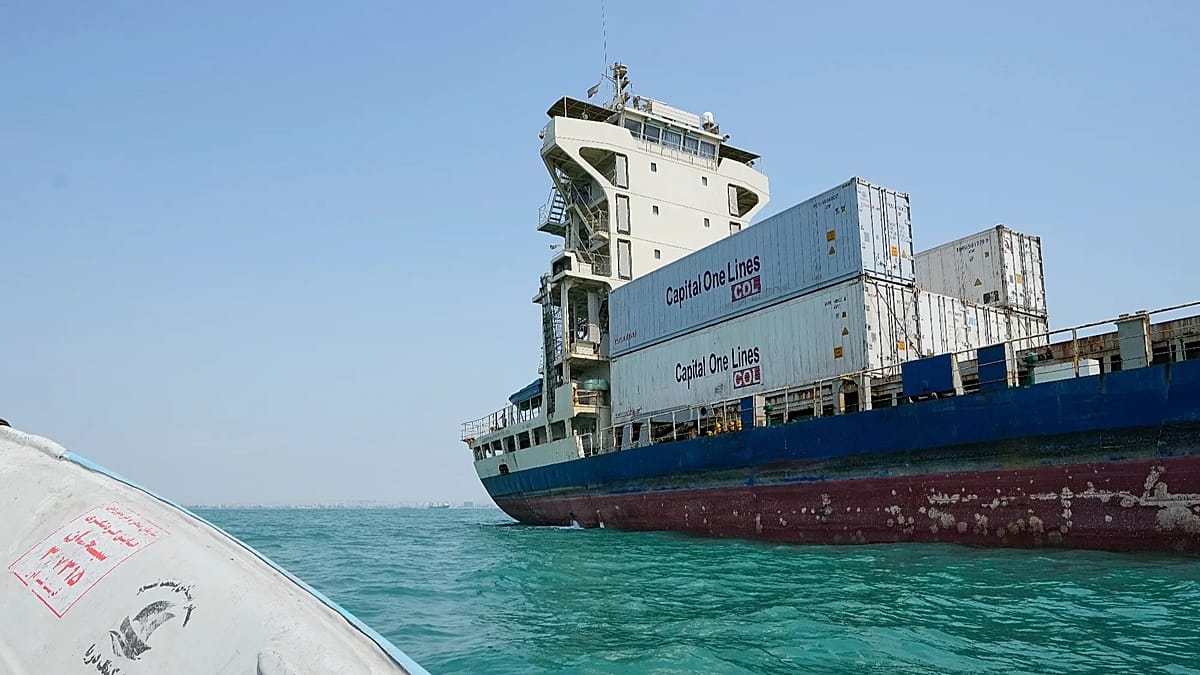
“How long can the international economy withstand the results of what is happening in our region?” Al Ansari asked, underscoring the widening ripple effects of a conflict that began with joint US-Israeli strikes on Iran in late February. The fighting has severely restricted traffic through the Strait of Hormuz, a chokepoint for a significant share of global oil and gas shipments, and has now begun to distort trade in a range of other commodities.
Mediation continues despite obstacles
Al Ansari confirmed that Qatar has resumed its role as a go-between, relaying messages and hosting meetings in recent days. He acknowledged that any agreement faces hurdles but expressed determination to bridge the gap between the two sides. “Our role is to overcome the difficulties and try to bridge the gap between the two sides, and that is what is happening now,” he said, without disclosing the progress of the talks.
Qatar’s diplomatic push comes despite the fact that the country itself has been hit by Iranian missiles during the conflict. Al Ansari stressed that the Gulf states, along with Iraq and Jordan, had not chosen to join the war and had no separate quarrel with Tehran. “This is an aggression, an unwarranted aggression against our countries,” he said, calling on Iran to give clear assurances that it will not attack neighbours that have stayed out of the fighting.
The Qatari official argued that a durable settlement would require broader regional security arrangements based on coexistence and non-aggression. For now, Doha is focused on bringing the parties closer to an agreement and reopening the Strait of Hormuz to free navigation, he added.
Beyond oil: fertilisers, helium, and food security
Al Ansari pointed out that the Gulf exports far more than hydrocarbons. The region is a major supplier of urea and ammonia, which are critical for agriculture and fertiliser production, as well as helium, petrochemicals, and aluminium. Disruptions in these sectors are already affecting crop yields in vulnerable countries and forcing some nations to increase coal burning, reversing progress on emissions reductions. The strain could intensify as winter approaches, he warned.
The warning echoes concerns raised elsewhere about the fragility of global supply chains. A separate Ukrainian grain blockade has already threatened to add billions to global food costs, and the combination of crises is putting immense pressure on import-dependent economies.
Meanwhile, energy markets remain volatile. Oil prices have climbed as investors weigh the risks to supply from the Gulf conflict against broader financial market turbulence. The situation has also drawn attention to the risks to regional oil exports as Iran’s Revolutionary Guard unveils new weapons systems.
European capitals are watching the developments closely, given the continent’s reliance on Gulf energy imports and its interest in stable fertiliser supplies for agriculture. The European Union has been pressing for de-escalation, but so far no breakthrough has been announced. The longer the war continues, the more acute the economic consequences will become, not just for the Middle East but for the entire global economy.