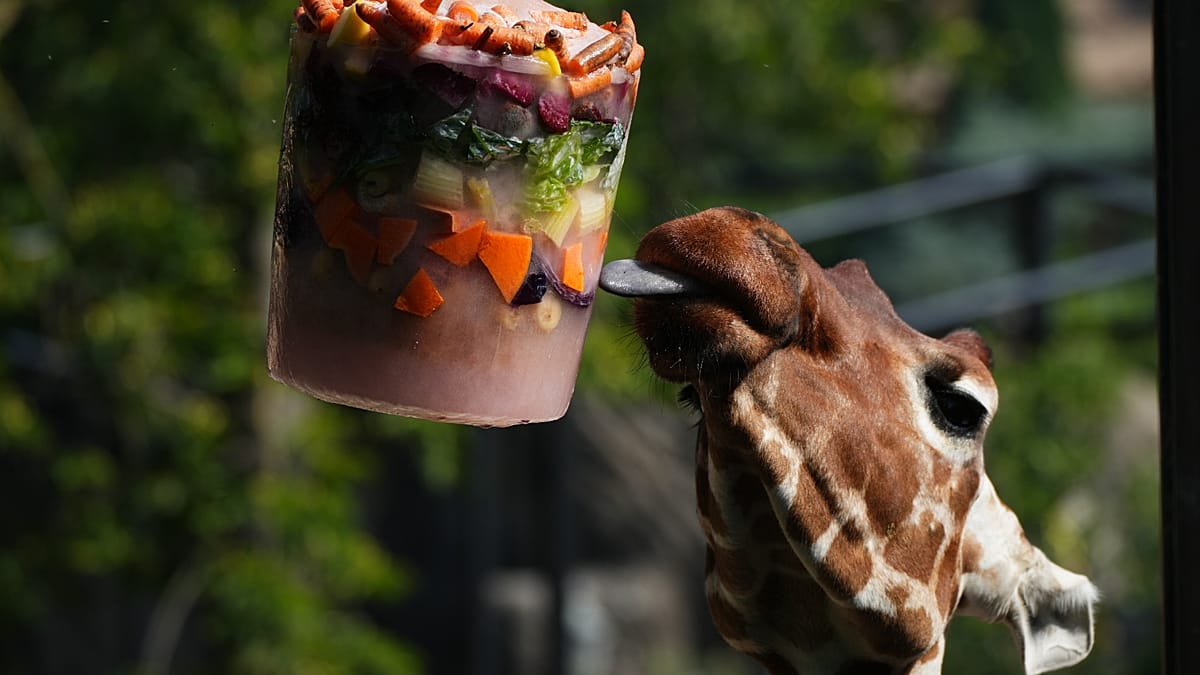
As a severe heatwave continues to grip Italy, Rome's Bioparco zoo has implemented a range of measures to protect its animals from the extreme temperatures. The capital remains under a red heat alert, prompting zookeepers to deploy frozen feasts, cool pools, and climate-controlled shelters to ensure the well-being of the zoo's diverse inhabitants.
The Bioparco, located in the heart of Rome, is home to over 1,000 animals from around the world. With temperatures exceeding 40°C in parts of Italy, the zoo has adapted its daily routines to mitigate the heat's impact. Keepers are providing frozen treats such as ice blocks filled with fruit and vegetables, which offer both hydration and enrichment. For species like bears and big cats, these icy snacks help lower body temperature while stimulating natural foraging behaviors.
Cooling Strategies Across Species
Chilled pools have become a central feature for animals that enjoy water, including hippos and elephants. The zoo's hippopotamus enclosure, for instance, is equipped with a large pool that is regularly refreshed with cooler water. Similarly, the elephant habitat includes a shallow pond where the animals can submerge themselves to escape the heat. For smaller mammals and birds, misting systems and shaded areas have been installed to provide relief.
Climate-controlled shelters are also available for species particularly sensitive to high temperatures, such as reptiles and primates. These enclosures are fitted with air conditioning or cooling fans, ensuring that animals can retreat to a comfortable environment when the sun becomes too intense. Zookeepers monitor the animals closely for signs of heat stress, adjusting their care as needed.
The heatwave affecting Italy is part of a broader pattern of extreme weather across Europe. In recent weeks, similar conditions have led to tragic outcomes elsewhere on the continent. For example, a fourth child died in a French heatwave as a toddler succumbed to heatstroke in Marseille, highlighting the dangers of prolonged exposure to high temperatures. Meanwhile, Spain recorded 327 heat-related deaths in under a week as a record heatwave persisted, underscoring the public health crisis unfolding across southern Europe.
At the Bioparco, the focus remains on proactive care. The zoo's veterinary team has increased hydration checks and adjusted feeding schedules to cooler parts of the day. Visitors are also reminded to stay hydrated and seek shade, as the red alert warns of health risks for the general population.
Rome's heatwave is not an isolated event. Scientists have linked the intensity of such heatwaves to climate change, with studies showing that the current European heatwave is 'virtually impossible' without climate change. This has prompted calls for better adaptation strategies, not just for humans but for animals in captivity and the wild.
The Bioparco's efforts serve as a microcosm of the broader challenges facing Europe as it grapples with rising temperatures. While the zoo's measures are effective in the short term, they highlight the need for long-term planning to protect vulnerable populations—both human and animal—from the escalating impacts of a warming climate.