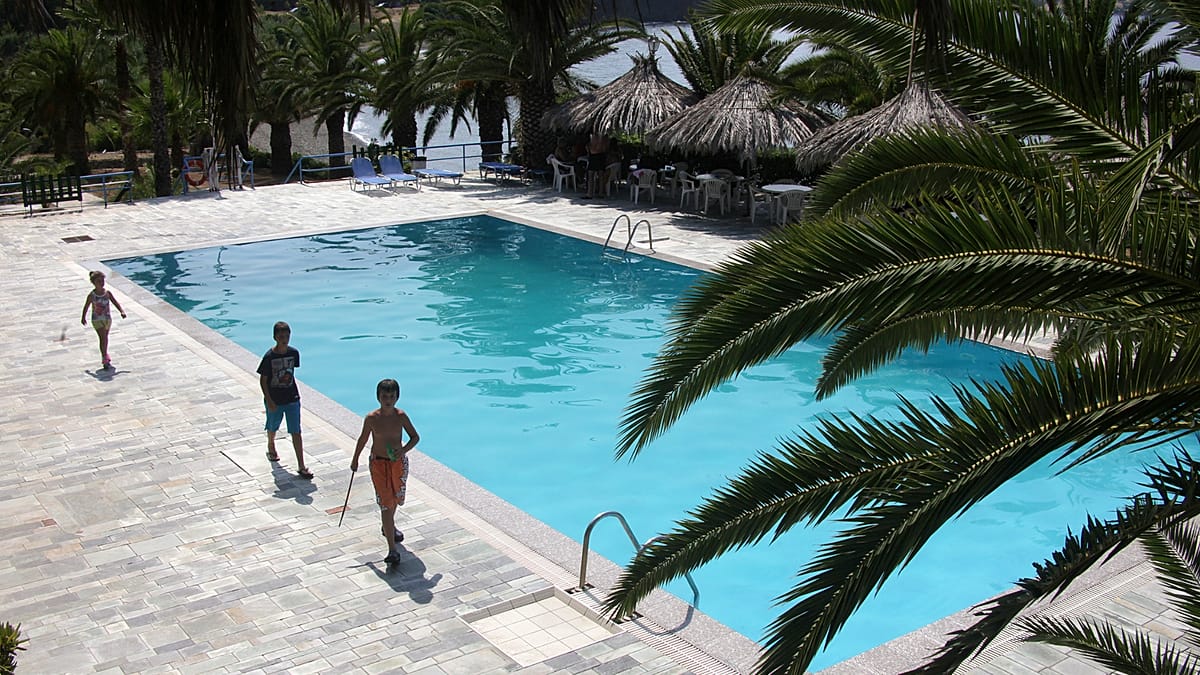
The death of a child in a swimming pool on the Greek island of Paros has cast a shadow over the start of the summer season. It is a stark reminder that drowning can happen in seconds, often silently, and not only in the sea. In response, medical professionals and the Red Cross have reiterated a set of practical guidelines that every parent and carer should know.
Prevention is the cornerstone of water safety. The presence of a responsible adult, the choice of a safe swimming spot, and basic knowledge of rescue techniques can dramatically reduce the risk. Here are the ten rules that can make the difference between life and death.
The ten golden rules
1. Supervision saves lives. The most effective measure is constant, undivided attention. The adult in charge must focus solely on the child, avoiding distractions such as mobile phones or books. For children under five, supervision should be at arm's length, allowing immediate intervention.
2. Never leave a child alone in the water. Even a few seconds can be fatal. The presence of an older sibling does not replace adult supervision. This applies even in shallow water or when the child wears armbands; depth is not a guarantee of safety.
3. Armbands and inflatables are not lifejackets. These aids are for play, not protection. On boats, a certified lifejacket of the correct size is essential. For more on travelling safely with young children, see our practical guide to travel with babies and toddlers.
4. Choose safe swimming places. Prefer organised beaches with lifeguards and calm, familiar conditions. Respect warning flags and heed the advice of local authorities, especially where currents or large waves are present.
5. Be extra cautious around pools. Pools require strict measures: secure fencing, self-closing gates, and no toys left in or near the water when not in use. Rescue equipment should be stored within easy reach.
6. Swimming lessons help, but they are not enough. Learning to swim builds confidence and skills, but even a strong swimmer can be caught out by currents, fatigue, or panic. Supervision remains non-negotiable.
7. Be very careful with dives. Diving into unknown waters is extremely risky. Never dive where depth is uncertain or where rocks or jetties may lurk. A misjudgement can lead to serious spinal injuries.
8. Take care after eating. After a large meal, vigorous activity should be avoided. Give the body time to digest before energetic swimming or play.
9. Knowing CPR can be lifesaving. Training in basic life support and cardiopulmonary resuscitation (CPR) is invaluable. In an emergency, immediate CPR can keep a child alive until professional help arrives.
10. In an emergency, call for help immediately. Do not wait to see if the child recovers on their own. Dial 112 or the local emergency number straight away and follow the operator's instructions. If you are trained, begin CPR while waiting.
Debunking common myths
Several misconceptions can give parents a false sense of security. One is that drowning is always noisy and dramatic. In reality, it can be silent and swift. Another myth is that armbands keep a child safe; they do not. Similarly, being a good swimmer does not make a child invulnerable. And when many adults are present, it is easy to assume someone else is watching—but unless a specific person is designated, no one may be.
As Europe faces hotter summers and increased pressure on water resources, as seen in France's water restrictions and the EU's water resilience plan, families will flock to coasts and pools. The Red Cross and medical experts urge everyone to internalise these rules. A few seconds of vigilance can prevent a lifetime of grief.