In the northwestern corner of Türkiye, the province of Çanakkale holds a past that is both monumental and intimate. Here, the legendary walls of Troy rise from the plains, while a short ferry ride away, the island of Bozcaada nurtures vineyards whose roots reach back millennia. For visitors and locals alike, this is a landscape where history is not confined to museums but woven into the rhythm of daily life.
A crossroads of civilizations
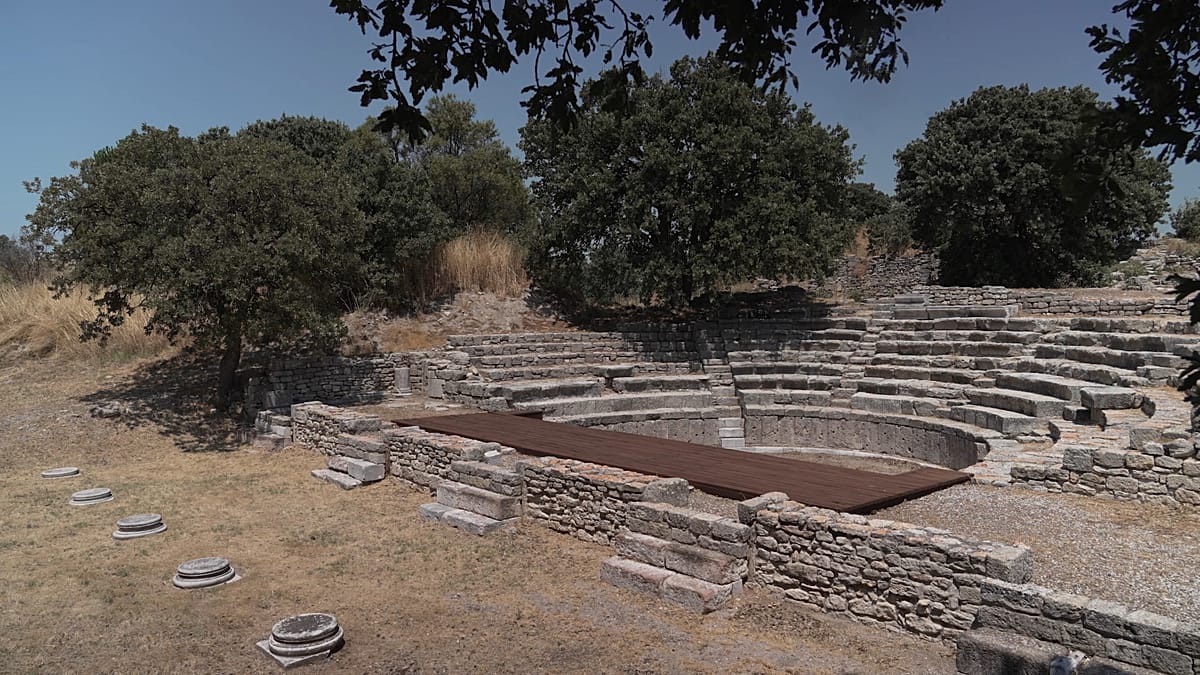
Troy is more than a myth. Over more than four thousand years, ten distinct cities were built atop one another on the same site, each layer adding to a complex archaeological record. Enes Can, an archaeologist working at the site, describes its significance: “It lies right between Asia and Europe... a point where Eastern and Western cultures intersect.” That position made Troy a meeting place for trade, conflict, and ideas, a role that still resonates in the region today.
The nearby Troy Museum, opened in 2018, offers a chronological journey through these layers. Visitors move “from the Early Bronze Age to the present day,” explains Sinem Düzgören, the museum's director. The collection includes gold jewellery, bronze weapons, and everyday pottery, each artefact telling a story of the people who lived and died here. For those interested in Aegean history and wellness, the museum provides a deep dive into the ancient world.
Beyond the famous walls, the surrounding landscape is dotted with tumuli, ancient quarries, and the remains of Roman and Byzantine settlements. The archaeological site itself is a UNESCO World Heritage listing, drawing scholars and tourists from across Europe and beyond. Yet for many, the most tangible connection to the past comes not from stone but from the vine.
Bozcaada's ancient vineyards
Bozcaada, known in antiquity as Tenedos, is Türkiye's third-largest island and a place where winemaking is a living tradition. Excavations of a necropolis dating to 2000 BC uncovered vessels that suggest wine was produced and consumed here even then. “Wine on Bozcaada dates back to very ancient times,” says Osman Mehmet Talay, a local vintner. That heritage is preserved in the island's native grape varieties: Çavuş, Vasilaki, and Kuntra, each contributing distinct flavours to the wines.
The island's vineyards are small and family-run, often passed down through generations. Many producers still use traditional methods, though modern techniques are increasingly common. Visitors can tour the wineries, taste the wines, and learn about the island's history from the people who live it. The combination of ancient roots and contemporary craft makes Bozcaada a unique destination for oenophiles and history buffs alike.
For those planning a trip, the ferry from Çanakkale city takes about half an hour, and the island offers more than just wine: cobbled streets, a Venetian castle, and quiet beaches. The local cuisine, featuring fresh seafood and olive oil dishes, pairs perfectly with the island's whites and reds. As with Sofia's blend of history and modern leisure, Bozcaada offers a similar mix of ancient and contemporary pleasures.
What ties Troy and Bozcaada together is not just geography but a shared sense of continuity. The same winds that carried ships to Troy's harbour now fill the sails of yachts off Bozcaada's coast. The same hills that provided timber for ancient fleets now support vines that produce award-winning wines. In Çanakkale, history is not a distant relic; it is a living presence that shapes identity, economy, and culture.
As Türkiye continues to develop its tourism sector, places like Çanakkale offer a model of sustainable heritage tourism. The Troy Museum has become a cultural hub, hosting exhibitions and educational programmes. On Bozcaada, wine festivals celebrate the harvest and attract visitors from Istanbul, Athens, and beyond. This blend of archaeology and viticulture is a reminder that the past can be both preserved and enjoyed.
For Europeans, Çanakkale holds particular resonance. It was here that the Gallipoli campaign of the First World War unfolded, a conflict that shaped the national identities of Australia, New Zealand, and Türkiye. The region's layered history—from Homeric epic to modern memory—makes it a compelling destination for anyone interested in the forces that have shaped our world.
Whether you come for the ruins or the wine, Çanakkale offers a journey through time. As the sun sets over the Dardanelles, casting long shadows across the plain of Troy, it is easy to feel the weight of centuries. And on Bozcaada, a glass of Çavuş in hand, you can taste that history in every sip.